Everything you need to know about homecare packages
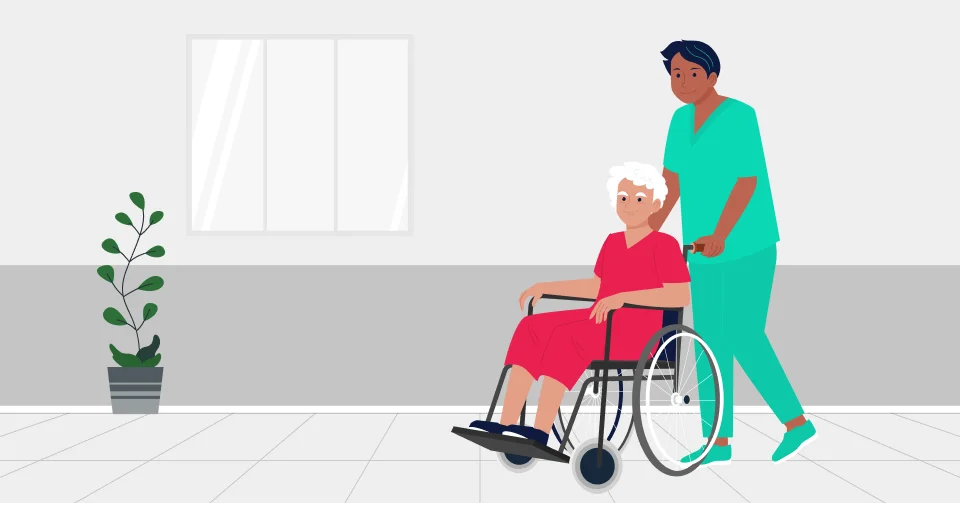
Everything You Need To Know About Homecare Packages Growing older doesn’t mean sacrificing the comfort and independence of your own home. For many Australians, the prospect of moving into residential care feels overwhelming, especially when they’re still capable of managing daily life with the right support. Homecare packages exist precisely for this reason—to provide tailored assistance that enables elderly individuals and those with disabilities to remain in familiar surroundings while receiving the professional care they need. What Is Support At Home? When someone asks what is a homecare service, they’re typically referring to the Australian Government’s Support at Home program—formerly known as Homecare Packages. This initiative provides government-funded support to help older Australians continue living independently in their own homes rather than transitioning into residential aged care facilities. The program is specifically designed for people who need assistance with everyday tasks but don’t require the intensive, round-the-clock care that nursing homes provide. Support at Home differs fundamentally from residential aged care because it prioritises autonomy and choice. Instead of adapting to institutional routines, recipients receive care tailored to their individual schedules, preferences, and needs. This model recognises that everyone’s situation is unique—some may need help with housework and meal preparation, while others require complex nursing care or mobility assistance. Services typically provided under Support at Home include personal care (bathing, dressing, grooming), domestic assistance (cleaning, laundry, meal preparation), clinical nursing, allied health therapies, transport to appointments, respite care for family carers, home modifications for accessibility, and assistive technology. Benefits Of Receiving Care At Home The advantages of receiving professional support in your own home extend far beyond mere convenience. Remaining in the comfort and familiarity of one’s own environment has profound psychological and emotional benefits—you’re surrounded by your own belongings, memories, and the neighbourhood you know well. This sense of place provides stability during a time when physical health may be changing. Maintaining independence is perhaps the most significant benefit. Rather than surrendering control over daily routines, you continue making choices about when you wake up, what you eat, how you spend your time, and who visits. This autonomy preserves dignity and reinforces the feeling that you’re still in charge of your own life. Emotional wellbeing flourishes when people remain connected to their communities. Isolation and loneliness are serious risks in institutional settings, but staying home means maintaining relationships with neighbours, attending local events, and keeping pets—all of which strengthen mental health. Additionally, home-based care provides one-on-one attention with personalised care plans that evolve with changing needs, rather than the generalised approach often necessary in group facilities. Flexibility is another crucial advantage. Support hours can be arranged to suit your lifestyle and medical requirements—whether you need morning assistance getting ready, evening help with dinner, or intermittent visits throughout the week. This adaptability ensures care fits around your life, not the other way around. Levels Of Homecare Packages Homecare package levels are structured according to the complexity and intensity of support required. Currently, there are four distinct levels, each funded at different amounts to reflect varying care needs. Level 1 packages support basic care needs for individuals who require some assistance with daily tasks but are largely independent. Services might include light housework, shopping assistance, and occasional personal care. Level 2 addresses low-level care needs and provides additional support for those requiring more frequent help—perhaps regular assistance with showering, medication management, or mobility around the home. Level 3 covers intermediate care needs and is designed for people with moderate support requirements. This might include daily personal care, regular nursing visits, allied health services like physiotherapy, and more substantial domestic assistance. Level 4, the highest tier, addresses high and complex care needs. Recipients at this level may have advanced chronic conditions, significant mobility limitations, or cognitive impairment requiring comprehensive daily support including extensive nursing care, specialised equipment, and round-the-clock supervision in some cases. Homecare package guidelines determine how funding is allocated at each level. These budgets cover direct care services, case management, administrative costs, and any necessary care-related purchases. Understanding homecare solutions means recognising that effective providers help maximise every dollar, ensuring funds are spent on services that genuinely improve quality of life rather than unnecessary administration. It’s worth noting that Australia’s aged care system is undergoing reform, with Support at Home progressively replacing the traditional Homecare Package structure. The fundamental principles remain the same—government funding for in-home support—but the new system offers greater flexibility and streamlined access. How To Find The Right Provider Choosing a provider shouldn’t be rushed or taken lightly. Homecare package eligibility might grant you access to funding, but the quality of care you receive depends entirely on selecting the right organisation to deliver those services. Start by verifying accreditation—legitimate providers must be approved by the Aged Care Quality and Safety Commission and comply with strict quality standards. Look for transparency in pricing structures; reputable organisations provide clear breakdowns of management fees, care costs, and any additional charges. Staff training and qualifications matter enormously—enquire about whether support workers hold relevant certificates, undergo regular professional development, and receive proper supervision. Responsiveness is another critical factor. When you or a family member calls with concerns or requests, how quickly does the provider respond? Is there a dedicated care coordinator available? Consistency in staffing makes a substantial difference—having the same support workers whenever possible builds trust and ensures continuity. Person-centred planning should be non-negotiable. Your care plan must reflect your individual goals, preferences, and circumstances, not a standardised template. Providers should actively involve you in developing and reviewing this plan, adjusting services as your situation evolves. Compare service fees carefully to maximise value from your package. While the lowest price isn’t always best, you deserve to understand exactly what you’re paying for and how much of your package budget is actually being spent on direct care versus administration. Assess provider reviews and reputation through online feedback, word-of-mouth recommendations, and the Quality and Safety Commission’s ratings. Consider their service coverage—can they provide support across all the areas you need, including weekends
5 Reasons why nurses choose to work in aged care

5 Reasons Why Nurses Choose To Work In Aged Care As Australia’s population ages, the demand for skilled, compassionate aged care nurses continues to rise. The field offers more than just employment—it provides an opportunity to make a genuine impact on the lives of older adults, every single day. While hospitals and clinics remain important, many nurses are discovering that aged care offers something different: deeper relationships, greater autonomy, and a sense of purpose that extends beyond the bedside. At NurseLink Healthcare, we witness firsthand the rewards of aged care nursing. Our team supports clients across Melbourne and surrounding regions through compassionate homecare, community nursing, and aged care staffing solutions. Nurses who partner with us gain meaningful experience, flexible work options, and opportunities to grow personally and professionally while positively impacting lives in their communities. Here are the top five reasons nurses are choosing to build fulfilling, stable careers in aged care. Autonomy: Making Independent Clinical Decisions In aged care, nurses are trusted to take the lead. Unlike hospital settings where nurses often follow tightly structured routines, aged care nurses frequently work with greater autonomy—assessing needs, planning care, managing medications, and making real-time decisions that directly affect patient outcomes. This independence builds not only confidence but also clinical leadership. Nurses learn to rely on their judgement, manage care priorities, and develop a deeper understanding of patient-centred practice. At NurseLink Healthcare, our homecare and community nursing teams empower nurses to work independently while offering the right support when needed. Whether visiting clients in their homes or overseeing care in aged care facilities, our nurses play a pivotal role in improving the quality of life for those who depend on them. That autonomy translates into trust, professional pride, and a true sense of accomplishment at the end of every shift. Using Your Full Scope Of Practice Aged care gives nurses the chance to use their complete set of skills—clinical, emotional, and interpersonal. Every day brings new challenges and opportunities to make a difference. In this field, nurses are involved in: Comprehensive wound care and chronic disease management. Medication administration and care planning. Palliative and end-of-life care that prioritises comfort and dignity. Health education for clients and their families. Mental and emotional wellbeing support Unlike many hospital roles where duties can become repetitive or narrowly defined, aged care allows nurses to practise holistically. It’s not just about treating conditions—it’s about improving everyday life, preserving independence, and promoting wellbeing. Through NurseLink Healthcare’s person-centred homecare model, nurses can use their full professional expertise in real-world environments. Every decision they make contributes to a client’s comfort, confidence, and continued independence. Diversity In Practice One of the biggest advantages of working in aged care is the variety. Every client has unique needs, personalities, and stories—and no two days are ever the same. Aged care nurses work across diverse care settings, including: Residential aged care facilities. In-home and community care. Respite and transitional care programs. Palliative and dementia care environments. This diversity allows nurses to develop broad, adaptable skills and engage in multiple aspects of care—clinical, emotional, and educational. Whether assisting with rehabilitation after surgery, managing long-term chronic conditions, or offering emotional support to families, aged care nurses play a multifaceted role that keeps the profession exciting and meaningful. NurseLink Healthcare supports this flexibility by offering placements across Melbourne and nearby regions. Nurses can choose work that fits their lifestyle—whether full-time, part-time, or casual—while gaining valuable experience across multiple environments. Building Meaningful Relationships What sets aged care nursing apart from other areas of healthcare is the depth of connection nurses develop with their clients. Caring for older adults over months or even years allows nurses to form genuine, lasting relationships built on trust, empathy, and understanding. Many nurses describe these bonds as the most rewarding aspect of their work. They get to know their clients’ stories, families, and personal preferences—becoming a comforting presence in their daily lives. For example, a nurse supporting an elderly client recovering from a hip replacement might also become a friend and confidant, celebrating small victories and providing encouragement along the way. These human connections transform care from a task into a partnership. Such relationships also lead to better health outcomes, as patients feel valued and supported. At NurseLink Healthcare, this person-centred approach defines every aspect of our aged care and homecare services. Our nurses aren’t just caregivers—they’re companions, advocates, and trusted members of the community. A Culture Of Curiosity & Continuous Learning Aged care is a dynamic, evolving field that encourages continuous learning and curiosity. Nurses who thrive here are those who love to learn, adapt, and explore new care models and clinical approaches. From dementia-specific care and palliative support to new technologies that enhance patient comfort, aged care nurses are constantly exposed to opportunities for professional development. Ongoing education not only sharpens clinical skills but also ensures care remains compassionate and evidence-based. NurseLink Healthcare actively fosters this culture of learning. We support our nurses through access to training, mentorship, and upskilling opportunities designed to help them grow confidently in their roles. This commitment to excellence ensures that both nurses and clients benefit from the most up-to-date, compassionate standards of care. Curiosity doesn’t just make better nurses—it leads to more innovative, effective, and fulfilling care experiences. Why Choose Aged Care With NurseLink Healthcare Aged care nursing is about more than employment—it’s about empowerment. It’s a chance to blend skill with heart, clinical expertise with compassion, and professionalism with purpose. At NurseLink Healthcare, we provide the foundation for nurses to succeed in aged care through: Flexible work arrangements to suit your lifestyle. Opportunities across Melbourne and surrounding areas. A supportive environment that values compassion and autonomy. Ongoing career development and clinical training. Whether you’re an experienced nurse looking to expand your horizons or a newly registered nurse seeking meaningful work, our team will guide you toward roles that align with your goals and values. Conclusion Working in aged care offers something uniquely fulfilling—the ability to make a lasting difference in people’s
Supporting Seniors Through Life Transitions with Compassionate Homecare

Supporting Seniors Through Life Transitions With Compassionate Homecare Navigating life transitions in later years presents profound challenges that extend beyond physical health concerns. Many Australian seniors face overwhelming changes—from declining mobility to social isolation—yet struggle to accept help, fearing loss of independence. NurseLink Healthcare understands these complex emotional and practical needs, delivering personalised homecare solutions across Melbourne that honour dignity whilst providing essential support during life’s most vulnerable transitions. Understanding Life Transitions in Later Years Life’s later chapters bring inevitable changes requiring significant adjustment, resilience, and often external support to maintain well-being and independence. Health-related changes It encompasses progressive conditions like arthritis, diabetes, heart disease, dementia, and sensory impairments that gradually limit physical abilities and require ongoing medical intervention and lifestyle modifications. Loss of independence It manifests through inability to drive, difficulty managing household tasks, requiring assistance with personal care, and surrendering activities once performed effortlessly, triggering profound psychological impacts. Environmental shifts This involve downsizing from family homes, relocating to retirement villages, modifying living spaces for accessibility, or facing the prospect of residential care—each representing significant emotional upheaval. Why These Transitions Are Challenging? These transitions strike at core aspects of identity and self-worth accumulated over decades. Seniors often experience grief comparable to bereavement when confronting diminished capabilities. The psychological burden of dependency conflicts with lifelong values of self-sufficiency, whilst uncertainty about the future generates persistent anxiety. Additionally, rapid changes may outpace cognitive and emotional adjustment capacity, creating overwhelming stress that manifests physically and mentally, complicating recovery and adaptation processes. Loss of autonomy and identity It represents perhaps the deepest challenge, as individuals who’ve spent lifetimes making independent decisions suddenly require permission, assistance, or supervision for basic activities. Grief over “the way things used to be” encompasses mourning lost abilities, changed relationships, abandoned homes, and the person they once were—a bereavement process often unrecognised or minimised. The Emotional Side of Ageing & Adjustment Understanding the psychological dimensions of ageing transitions proves essential for delivering effective, compassionate care. Physical health concerns often overshadow equally critical emotional and mental health needs that significantly influence adjustment success, recovery outcomes, and overall quality of life. Australian research indicates mental health challenges in older adults frequently go undiagnosed, partly because symptoms are dismissed as normal ageing rather than recognised as treatable conditions requiring professional intervention and supportive care strategies. Psychological Impact of Transitions Major life transitions trigger legitimate grief responses as seniors mourn losses—capabilities, relationships, homes, independence, and future expectations. This grief may be complicated, prolonged, and unresolved without appropriate support and acknowledgement from caregivers and family members who understand its profound legitimacy and impact on wellbeing. Grief & loss In later years often involves multiple simultaneous bereavements—spouse, friends, health, home, mobility—creating cumulative sorrow that overwhelms coping mechanisms developed throughout life. Anxiety & depression It frequently emerge during transitions, manifesting as persistent worry, panic attacks, hopelessness, withdrawal, and loss of interest in previously enjoyed activities, yet often remain undiagnosed. Identity crisis It occurs when roles defining self-concept disappear—no longer the competent professional, independent homemaker, active community member, or capable spouse—leaving existential questions about purpose and value. Resistance to help It often stems from fear, pride, or denial rather than stubbornness, representing desperate attempts to maintain control and familiar identity in circumstances demanding unwelcome change. Signs a Senior Is Struggling Family members and carers should recognise warning indicators suggesting adjustment difficulties requiring professional support. Withdrawal from previously enjoyed social activities, hobbies, or family gatherings often signals depression, grief, or diminished self-worth related to perceived inadequacy or embarrassment about changing capabilities. Changes in established sleep patterns—insomnia, excessive sleeping, or fragmented rest—alongside appetite fluctuations and unintentional weight changes frequently indicate emotional distress. Increased irritability, uncharacteristic anger outbursts, tearfulness, or extreme mood swings suggest underlying anxiety, depression, or unprocessed grief requiring compassionate intervention rather than dismissal. Neglecting personal care It including hygiene, grooming, medication adherence, or home maintenance represents significant red flags indicating depression, cognitive decline, or surrender to circumstances perceived as hopeless. How Homecare Makes Transitions Easier Professional homecare services provide crucial scaffolding supporting seniors through challenging transitions whilst preserving maximum independence, dignity, and quality of life. Unlike institutional care settings requiring seniors to adapt to unfamiliar environments and rigid schedules, homecare brings support to familiar surroundings where memories, comfort, and personal control remain intact. This fundamental difference significantly reduces transition-related stress whilst delivering comprehensive assistance tailored to individual needs, preferences, and circumstances that evolve throughout the adjustment journey. Personalised Support Plans Effective homecare begins with thorough assessment understanding not just physical limitations but personal preferences, cultural considerations, emotional needs, and individual goals for maintaining independence and lifestyle. Qualified assessors engage seniors and families in collaborative planning, ensuring care plans reflect what matters most to the individual rather than imposing standardised approaches unsuited to unique circumstances and values. Assessment of individual needs and preferences It explores medical requirements, daily living challenges, social connection needs, cultural or spiritual practices, preferred routines, and personal goals for maintaining meaningful engagement with life. Flexible care that adapts as needs change It recognises that requirements fluctuate—increasing during illness or recovery, decreasing as adjustment occurs, varying with seasonal factors or family availability—requiring responsive modifications. Respecting routines and maintaining familiarity It supports successful adjustment by preserving comforting rituals, meal preferences, sleep schedules, and cherished activities that provide continuity, comfort, and sense of control. Key Ways Homecare Facilitates Transitions Professional homecare addresses multiple dimensions of transition challenges simultaneously through integrated support approaches. Maintaining independence and dignity remains paramount, with carers focusing on enablement—assisting rather than taking over, encouraging continued participation in decision-making and self-care activities within capability limits, and celebrating maintained abilities rather than emphasising losses. Creating safe, familiar environments It involves modifying homes to prevent falls and accommodate changing mobility whilst preserving personal character, memories, and comfort that institutional settings cannot replicate. Bridging communication gaps Gaps between seniors, family members, and healthcare providers ensures coordinated care, reduces confusion, advocates for preferences, and facilitates informed decision-making throughout transitions. Practical daily support Practical daily support with household tasks, meal preparation, transportation, medication management, and personal care maintains
It’s Time To Consider Homecare For Your Family Member

It’s Time To Consider Homecare For Your Family Member You’ve noticed Mum struggling with the grocery bags, or perhaps Dad forgetting to take his medication again. These moments can be heart-wrenching, signalling a shift in your loved one’s independence that many families find difficult to acknowledge. Recognising when professional homecare support is needed isn’t about admitting defeat—it’s about ensuring your family member continues living safely, comfortably, and independently in their own home. Homecare services provide personalised assistance ranging from daily living support to skilled nursing care, delivered by compassionate professionals who understand the unique needs of older Australians. Throughout this guide, we’ll explore five critical signs that indicate it’s time to consider homecare for your family member. When Daily Tasks Become Overwhelming Activities of Daily Living (ADLs) encompass fundamental self-care tasks that most people perform without conscious thought—bathing, dressing, eating, toileting, and moving around safely. When these routine activities become challenging or inconsistent, it’s often the first tangible indicator that support is needed. The decline in managing ADLs typically happens gradually, making it easy for family members to overlook until a crisis occurs. Understanding these warning signs enables families to intervene proactively, preserving dignity and preventing more serious health complications that arise from neglected personal care and nutrition. Common Daily Struggles That Signal The Need For Help Personal hygiene deterioration becomes evident through body odour, wearing soiled clothing, or skipping showers altogether. Dressing may consume excessive time, with inappropriate clothing choices for the weather or occasion becoming common. Meal preparation gives way to skipped meals, reliance on unhealthy convenience foods, or expired items remaining in the refrigerator. Housekeeping standards noticeably decline, with clutter accumulating and basic cleaning tasks left undone. Medication management errors multiply, including forgotten doses or confusion about prescriptions. How Professional Caregivers Assist With Daily Activities Professional caregivers provide respectful personal care assistance, helping with bathing, grooming, and dressing whilst maintaining your loved one’s dignity and independence. They manage meal planning and preparation, accommodating dietary requirements and preferences to ensure proper nutrition. Light housekeeping maintains a safe, comfortable living environment. Medication reminders guarantee prescriptions are taken correctly and on schedule. Discover our comprehensive homecare services designed to support daily independence. Noticeable Changes In Health Or Mobility Ageing naturally brings physiological changes affecting strength, balance, coordination, and overall health management. However, when these changes accelerate or compromise safety, professional intervention becomes essential. Early recognition and response to declining health prevents emergencies, reduces hospitalisation risk, and maintains quality of life. Many families underestimate how quickly mobility issues or chronic condition mismanagement can escalate, leading to falls, medication complications, or preventable health crises that could have been avoided with appropriate homecare support and monitoring. Physical Changes That Require Professional Attention Frequent falls or near-misses indicate balance or strength problems requiring immediate attention. Difficulty navigating stairs or walking safely around the home suggests mobility decline. Unexplained weight fluctuations often signal nutritional issues or underlying health problems. Chronic conditions like diabetes or heart disease become harder to manage independently as complexity increases. Memory lapses or cognitive changes affect medication adherence and safety awareness. Recovery from hospitalisation or surgery demands professional monitoring. Increased emergency department visits or frequent doctor appointments reveal escalating health concerns. Why Declining Health Shouldn’t Be Managed Alone Unmanaged chronic conditions deteriorate rapidly without proper monitoring, leading to preventable complications and emergency interventions. Professional health monitoring provides early detection of concerning changes, medication oversight, and coordination with medical teams—transforming reactive crisis management into proactive health maintenance that keeps seniors safer at home. Medical Support & Health Monitoring At Home Skilled nursing care delivers professional medical support including wound care, injection administration, and post-operative recovery assistance. Physical therapy helps rebuild strength, improve mobility, and prevent further decline. Regular health monitoring tracks vital signs, manages symptoms, and identifies concerning changes early. Professional caregivers coordinate seamlessly with GPs, specialists, and allied health providers, ensuring comprehensive care continuity. Learn about our skilled nursing services available throughout Melbourne. Increased Feelings Of Isolation Or Loneliness Senior loneliness has reached epidemic proportions across Australia, with research indicating that social isolation significantly impacts both mental and physical health outcomes. The connection between loneliness and adverse health consequences—including increased mortality risk, cognitive decline, depression, and cardiovascular problems—is well-established yet often overlooked until serious complications develop. Recognising When Your Loved One Is Withdrawing Watch for declining interest in previously enjoyed hobbies, whether gardening, crafts, or reading becomes abandoned. Social interactions with friends and family diminish noticeably, with phone calls going unreturned and invitations declined. Depression symptoms emerge, including persistent sadness, energy loss, appetite changes, or altered sleep patterns. Reluctance to leave home increases, with even familiar outings feeling overwhelming. Excessive television watching or general disengagement from surroundings becomes the norm. Cognitive decline often accelerates when mental stimulation disappears. How Loneliness Impacts Senior Health Studies demonstrate that chronic loneliness increases mortality risk comparably to smoking 15 cigarettes daily. Social isolation strongly correlates with depression, anxiety disorders, and diminished immune function. The cognitive impact proves equally concerning, with isolated seniors experiencing accelerated cognitive decline and increased dementia risk compared to socially engaged peers. Companionship & Social Engagement Through Homecare Companion care services provide meaningful social interaction, engaging conversation, and genuine friendship that combats isolation. Caregivers encourage participation in enjoyable activities, from card games to gardening, stimulating mental engagement. Transportation assistance enables attendance at social events, medical appointments, and community activities that maintain connections beyond the home. Professional companions connect seniors with community resources, clubs, and programs designed for their interests. Discover our companion care services that transform daily life. Caregiver Burnout Is Becoming Real Family caregivers demonstrate extraordinary dedication, often sacrificing their own wellbeing to support ageing parents or relatives. This devotion deserves recognition and respect. However, the reality remains that caregiving demands frequently become unsustainable, affecting caregiver health, relationships, employment, and quality of life. Acknowledging caregiver stress isn’t failure—it’s recognising that sustainable, quality care requires shared responsibility. Are You Experiencing These Caregiver Warning Signs? Physical exhaustion and chronic fatigue become your constant companions, with adequate rest impossible despite feeling perpetually tired. Emotional overwhelm manifests