
How Does Social Support Improve Mental Health In NDIS Participants?

Social support and mental health are closely connected for NDIS participants because meaningful relationships can reduce isolation and promote emotional wellbeing, confidence and a sense of belonging. The National Disability Insurance Scheme (NDIS) is an Australian government scheme that funds eligible people with permanent and significant disability to pursue their goals and participate more fully in everyday life. Disability, communication barriers, limited mobility and social isolation can make it harder to maintain relationships or access community activities. This article explains the meaning of social support, its mental health benefits, different types of support available through the NDIS, and how families, carers and support workers can encourage independence and social connection. What Is Social Support For NDIS Participants? Social support for NDIS participants means practical, emotional or community-based assistance that helps a person build relationships, participate in activities and maintain meaningful connections. The meaning of social support can vary between individuals because everyone has different abilities, preferences, circumstances and personal goals. Social support can include assistance with participating in community activities, developing social skills or accessing places where relationships and friendships can develop. However, general companionship and every social activity are not automatically funded by the NDIS. NDIS supports must relate to a participant’s disability-related needs, support their goals and meet the relevant funding and reasonable-and-necessary requirements. Key forms of social support may include: Practical assistance to participate in community and social activities. Emotional encouragement that helps a participant develop confidence. Support with communication and social interaction. Assistance to access community groups, recreational activities and services. Opportunities to develop and maintain meaningful relationships. The most appropriate support should reflect what the participant wants to achieve. For one person, this may involve attending a local community group, while another may need assistance developing communication skills or accessing recreational activities. Individual choice should remain central to planning social support. How Does Social Support Improve Mental Health In NDIS Participants? Social support can improve mental health in NDIS participants by reducing isolation, strengthening confidence and providing opportunities for meaningful connection. Regular interaction with supportive people can create a sense of belonging and provide encouragement during challenging periods. The benefits of social support for mental health can extend beyond simply spending time with other people. Positive social experiences can encourage participants to develop communication skills, establish friendships, pursue interests and become more involved in their communities. These experiences may also support emotional resilience and improve overall quality of life. Important benefits include: Reducing loneliness and social isolation. Building confidence and self-esteem. Providing emotional encouragement. Creating a stronger sense of belonging. Supporting communication, social skills and healthy participation. Understanding how social support affects mental health requires considering both the quality and consistency of relationships. Supportive relationships can provide encouragement without taking away a person’s independence. However, social support should not be considered a replacement for professional mental health treatment. Participants experiencing significant or ongoing mental health concerns may need appropriate healthcare or psychological support in addition to social connection. Types Of Social Support Available Through The NDIS Different types of social support available through the NDIS depend on a participant’s individual circumstances, disability-related needs, goals and approved plan funding. The NDIS does not automatically fund every social activity, so participants should understand how proposed supports relate to their disability and goals. Examples of disability-related social and community support may include: Assistance with social and community participation. Support to attend community activities and local events. Assistance to develop communication and social skills. Support to participate in hobbies, recreation and group activities. Assistance to access appropriate community services and social opportunities. Support workers can help participants overcome practical barriers that might otherwise prevent participation. This may include assistance with planning an outing, travelling to an activity, communicating with others or participating safely. A useful social support strategy should focus on what the participant wants to accomplish rather than simply filling time. Activities could involve sport, art, education, recreation, volunteering or community groups, depending on the person’s interests and circumstances. Choosing meaningful activities can make participation more purposeful and increase the opportunity to form genuine social connections. How Social Connections Support Independence & Community Participation Strong social connections can support independence by giving NDIS participants opportunities to practise skills, make decisions, build confidence and participate more actively in their communities. Independence does not necessarily mean doing everything without assistance. Instead, it can mean having greater choice, control and confidence in everyday life. Regular community participation may help develop communication skills, decision-making abilities and everyday living skills. For example, a participant who regularly attends a community group may gradually become more comfortable communicating with other members, making choices about activities and managing aspects of the outing. Social participation can also provide opportunities to develop friendships and pursue personal interests. Depending on individual preferences, activities may include attending community groups, sporting programs, classes, cultural events, libraries or recreational activities. These experiences can reduce isolation while providing practical opportunities to build confidence. Appropriate support can help participants take gradual steps towards greater independence. The level of assistance may change as skills and confidence develop. Most importantly, independence should be defined according to the individual’s own goals rather than a standard expectation. What represents independence for one participant may be different for another. How Families, Carers, & Support Workers Can Strengthen Social Wellbeing Families, carers and support workers can strengthen social wellbeing by respecting participant choice, encouraging meaningful connections and helping remove practical barriers to participation. Person-centred support means listening to what the participant wants and providing assistance without unnecessarily taking control. Helpful approaches include: Listening carefully to the participant’s preferences and interests. Respecting personal choices about friendships and activities. Encouraging participation without forcing social interaction. Supporting communication and confidence-building at an appropriate pace. Maintaining safe, respectful and professional relationships. Families and carers may notice changes such as withdrawal, reduced communication or a loss of interest in previously enjoyable activities. These changes can have many possible causes, so they should be approached with sensitivity rather than assumptions. Support workers can help identify
Understanding & Managing Smith-Magenis Syndrome
Smith-Magenis syndrome is a genetic developmental condition that can affect people throughout their lives. Individuals may experience learning difficulties, speech delays, behavioural differences, sleep disturbances and physical health challenges. The severity and combination of symptoms vary, so each person requires an individualised approach to care. Understanding the condition is important for families, carers and healthcare professionals. Early diagnosis, appropriate therapies and a supportive environment can help individuals develop essential skills, manage behavioural challenges and participate in everyday activities. With consistent support, people with SMS can work towards greater independence and a better quality of life. What Is Smith-Magenis Syndrome & What Causes It? Smith-Magenis syndrome is a rare genetic condition caused by a change involving chromosome 17, particularly the RAI1 gene. It affects development, behaviour, sleep patterns and physical health. The condition is usually present from birth, although symptoms may become more noticeable as a child grows. The main Smith-Magenis syndrome causes include: Chromosome 17 Deletion: Most cases involve a small missing section of chromosome 17, known as 17p11.2. This deletion usually includes the RAI1 gene and other nearby genes. RAI1 Gene Variation: Some individuals have a disease-causing variation in the RAI1 gene without a larger chromosome deletion. This gene plays an important role in regulating development and biological processes. Spontaneous Genetic Changes: Most cases occur because of a new genetic change that develops during the formation of reproductive cells or early development. These changes are usually not inherited from parents. Rare Inherited Cases: In uncommon circumstances, the genetic change may be inherited from a parent who has SMS or has a genetic alteration without obvious symptoms. Effects On Development: Changes involving RAI1 affect several developmental processes, which can contribute to learning difficulties, distinctive physical features, behavioural differences and disrupted sleep patterns. SMS is not caused by parenting, lifestyle or environmental factors. Genetic counselling can help families understand the condition and discuss the likelihood of it occurring in future pregnancies. What Are The Common Signs & Symptoms Of Smith-Magenis Syndrome? Smith-Magenis syndrome symptoms can affect physical development, communication, behaviour, learning and sleep. Some characteristics appear during infancy, while others become more noticeable during childhood. Not everyone experiences the same symptoms or requires the same level of support. Common signs and symptoms include: Developmental Delays & Learning Difficulties: Children may take longer to develop motor skills, understand instructions or learn new tasks. Some individuals have intellectual disabilities and need additional educational support. Speech & Language Challenges: Speech development is often delayed, and some individuals have difficulty expressing their needs or understanding complex instructions. Speech therapy and alternative communication methods may help. Behavioural Differences: Emotional outbursts, impulsivity, attention difficulties, repetitive behaviours and self-injury can occur. Changes in routine or difficulty communicating may contribute to distress. Sleep Disturbances: Disrupted sleep is a common feature. Individuals may wake frequently, experience early morning waking or have an altered sleep-wake cycle, which can also affect family routines. Physical & Health-Related Symptoms: Some individuals have low muscle tone, distinctive facial features, feeding difficulties, scoliosis, hearing problems or childhood-onset obesity. The symptoms and their severity can differ considerably between individuals. Some people need substantial daily assistance, while others can develop greater independence with appropriate therapies, education and ongoing support. How Is Smith-Magenis Syndrome Diagnosed? Smith-Magenis syndrome is diagnosed through clinical assessments and genetic testing. Early identification is important because it allows families to access appropriate therapies, educational support and medical care. The diagnostic process generally includes: Recognising Early Signs: Developmental delays, unusual sleep patterns, behavioural differences and distinctive physical features may prompt a healthcare professional to investigate SMS. Developmental & Medical Assessments: Paediatricians assess growth, communication, behaviour, motor skills and medical history to identify characteristics associated with the condition. Genetic Testing: Chromosomal microarray testing can identify missing sections of chromosome 17. If no deletion is found, testing of the RAI1 gene may identify a disease-causing variation. Specialist Involvement: Paediatricians, clinical geneticists, psychologists and other healthcare professionals may contribute to diagnosis and ongoing care. Genetic testing confirms the diagnosis and helps distinguish SMS from other developmental conditions. Once diagnosed, regular assessments help identify changing health, educational and support needs. How Is Smith-Magenis Syndrome Managed & Treated? There is currently no cure for Smith-Magenis syndrome, but personalised treatment and supportive therapies can help manage symptoms and improve daily functioning. Care focuses on addressing individual challenges rather than treating the genetic condition itself. Management usually involves several healthcare professionals working together. The treatment plan may change as a person grows and their needs develop. Common management approaches include: Behavioural Therapy: Behavioural strategies can help individuals manage emotional outbursts, develop communication skills and establish positive routines. Identifying triggers can also help carers respond consistently. Speech & Language Therapy: Speech therapists support communication development through language exercises, visual aids and alternative communication methods when needed. Occupational Therapy: Occupational therapists help individuals develop daily living skills, improve coordination and manage sensory difficulties. They may recommend practical adaptations for home and school. Sleep Management: Sleep specialists can assess disrupted sleep patterns and recommend appropriate routines or medical treatment. Melatonin and other prescribed medicines may be considered under specialist supervision. Medical Management: Regular healthcare reviews help monitor associated conditions, including scoliosis, obesity, hearing difficulties, seizures and thyroid problems. There is no single treatment suitable for everyone. A multidisciplinary team can coordinate therapies, monitor progress and adjust care as an individual’s needs change Living With Smith-Magenis Syndrome: Support For Individuals & Families Living with Smith-Magenis syndrome can present challenges for individuals and their families, particularly when managing communication difficulties, disrupted sleep and behavioural changes. Consistent routines, personalised support and access to appropriate services can help improve daily life. Families and carers can support individuals in several practical ways: Establish Structured Routines: Predictable daily schedules, visual reminders and clear instructions can help individuals understand expectations and manage transitions. Encourage Independence: Practising everyday tasks, such as dressing, preparing simple meals and personal hygiene, can help develop confidence and functional skills. Provide Emotional Support: Patient communication, reassurance and positive reinforcement can help individuals manage frustration and express their feelings.
A Simple Guide To Understanding Down Syndrome
Down syndrome is a genetic condition caused by an extra copy of chromosome 21. It can influence physical development, learning, communication and health in different ways. Understanding what Down syndrome is, its characteristics and the support available can help families, carers and communities provide respectful, inclusive and personalised care. What Is Down Syndrome & What Causes It? Down syndrome occurs when a person has an extra copy of chromosome 21, either fully or partially. This additional genetic material affects development and can contribute to particular physical characteristics, developmental differences and health conditions. However, every person with Down syndrome is an individual with their own abilities, personality, interests and support needs. The causes of Down syndrome are related to a random genetic event during the formation of reproductive cells or early development. It is not caused by something a parent did before or during pregnancy. The likelihood of having a baby with Down syndrome increases with maternal age, although babies with Down syndrome can be born to parents of any age. There are three main types of Down syndrome: Trisomy 21: This is the most common type, where there are three copies of chromosome 21 in cells instead of two. Translocation Down syndrome: Extra chromosome 21 material becomes attached to another chromosome. Mosaic Down syndrome: Only some cells contain an extra copy of chromosome 21. Understanding the causes of Down syndrome can help families access appropriate information and professional support without relying on myths or misconceptions. Common Signs & Characteristics Of Down Syndrome People with Down syndrome may share certain physical characteristics, but these features vary considerably from person to person. Common characteristics can include a flatter facial profile, almond-shaped eyes, shorter stature, low muscle tone and differences in hand shape. Developmental and learning differences are also common. A child may reach developmental milestones later than other children and may benefit from additional support with speech, language, memory, motor skills and learning. This does not mean that people with Down syndrome cannot learn or develop independence. With suitable opportunities and support, many people develop a wide range of skills. Some individuals may also have health conditions associated with Down syndrome. These can include hearing or vision difficulties, heart conditions, thyroid problems, sleep-related breathing difficulties and gastrointestinal concerns. Regular healthcare can help identify and manage these issues. When discussing what are the symptoms of Down’s syndrome, it is more appropriate to refer to signs, characteristics and associated health conditions because Down syndrome is a genetic condition, not an illness that progresses through predictable symptoms. It is also important to understand that there are no fixed or different stages of Down syndrome. People with Down syndrome develop throughout childhood, adolescence and adulthood, just as other people do, although their development may follow a different pattern or require additional support. How Down Syndrome Can Affect Everyday Life Down syndrome impacts people differently, so there is no single experience of daily life. Some people may need considerable assistance, while others may become highly independent with the right opportunities and support. Communication can sometimes require additional patience. People may understand more than they can express verbally, particularly when speech and language development takes longer. Clear language, visual support, repetition and allowing extra time to respond can make communication easier. Learning can also take a different pathway. People may benefit from individualised teaching approaches, practical activities and additional time to understand new information. Education should focus on strengths while providing appropriate adjustments for areas where additional assistance is needed. Daily living skills can develop through consistent practice and encouragement. Depending on the individual, support may involve personal care, meal preparation, managing money, travelling, household tasks or making appointments. Encouraging participation rather than doing everything for the person can help build confidence and independence. Social connections are another important part of everyday life. Friendships, family relationships, community activities, sport, education and employment can contribute to confidence, belonging and emotional wellbeing. Inclusive environments allow people with Down syndrome to participate meaningfully rather than being excluded because of assumptions about their abilities. Understanding the risk of downs syndrome is also important for families seeking accurate information during pregnancy. Risk factors can include maternal age and certain genetic circumstances, but risk does not determine whether a baby will have Down syndrome. Screening and diagnostic testing should be discussed with qualified healthcare professionals. Supporting People With Down Syndrome To Live Fulfilling Lives Supporting someone with Down syndrome begins with recognising the person rather than focusing only on their diagnosis. Families, carers, healthcare professionals, educators and community organisations can all contribute to an environment where individuals have opportunities to learn, participate and make choices. Practical approaches include: Encourage independence by allowing the person to complete appropriate tasks themselves. Use clear and respectful communication suited to their individual needs. Provide personalised education, healthcare and daily living support. Encourage participation in family, social, educational and community activities. Support informed decision-making and respect personal preferences. Build strong relationships between families, carers, healthcare professionals and support services. People with Down syndrome should also have opportunities to set goals and express their preferences. Support should not automatically mean making decisions for someone. Instead, it can involve providing information in an accessible way, allowing sufficient time to respond and helping the individual communicate their choices. Healthcare can play an important role throughout life. Regular monitoring can help identify health concerns early, while allied health professionals may provide assistance with communication, movement, daily living skills and other areas of development. For families and individuals receiving support in Australia, personalised healthcare and community services can help address changing needs across different stages of life. NurseLink Healthcare provides nursing, NDIS, homecare and non-emergency patient transport services designed to support individuals and families with compassionate, reliable care. Key Takeaway Down syndrome is a genetic condition caused by additional chromosome 21 material. It can affect development, learning, communication and health, but its impact varies from person to person. There are no fixed stages of Down syndrome, and a diagnosis does not define a
Physiotherapy Vs Occupational Therapy: Understanding The Difference
Physiotherapy and occupational therapy are different healthcare disciplines that support recovery, function and independence. Physiotherapy primarily focuses on movement, strength, mobility and physical rehabilitation, while occupational therapy focuses on helping people manage everyday activities. Understanding the distinction matters because the right therapy depends on a person’s condition, abilities and individual goals. Introduction Physiotherapy and occupational therapy are often confused because both support people recovering from illness, injury, disability or changes in physical function, but they have different areas of focus. Physiotherapy generally addresses movement, strength, balance, pain and physical rehabilitation, while occupational therapy focuses on everyday activities, independence and participation in home, work and community life. Understanding the difference between physiotherapy and occupational therapy can help individuals and families make more informed decisions about appropriate care. In some circumstances, both therapies may be recommended as part of a personalised rehabilitation plan. What Is Physiotherapy? Physiotherapy is a healthcare profession that helps people improve movement, physical function and mobility following injury, illness, surgery or other health-related challenges. The role of a physiotherapy professional is to assess physical abilities and develop a treatment plan designed around the person’s specific needs. Physiotherapy can be relevant for people of different ages, including older adults, people recovering from injury and individuals living with disability. The main goals of physiotherapy include improving strength, flexibility, balance, coordination and mobility while helping manage pain and restore physical function. A physiotherapist typically assesses factors such as movement patterns, muscle strength, joint mobility, balance and physical limitations before recommending treatment. Depending on the person’s needs, treatment may include therapeutic exercises, mobility training, stretching, strengthening exercises, balance activities, manual techniques and education about safe movement. Physiotherapy can support people experiencing back or neck pain, sports injuries, joint problems, reduced mobility, muscle weakness, balance difficulties and rehabilitation needs following surgery or injury. The benefits of physiotherapy can include improved physical function, greater confidence with movement and support for returning to everyday activities. For someone recovering from an injury, for example, physiotherapy may help rebuild strength and mobility so they can walk, transfer or perform other physical tasks more safely. What Is Occupational Therapy? Occupational therapy is a healthcare profession that helps people participate as independently and safely as possible in everyday activities. Here, “occupation” refers to meaningful activities that people need, want or are expected to do, including personal care, household tasks, education, employment, leisure and community participation. The role of occupational therapy is therefore broader than simply treating a physical condition. It considers how a person’s abilities, environment and daily activities interact. An occupational therapist assesses how a health condition, disability, injury or developmental challenge affects everyday functioning. They may look at a person’s ability to dress, shower, prepare meals, manage household tasks, communicate, work, study or safely move around their home. Occupational therapy may benefit people living with neurological conditions, physical disabilities, developmental challenges, cognitive difficulties, age-related changes or injuries that affect independence. Occupational therapists can use activity-based therapy, functional skills training, adaptive equipment and environmental modifications to make daily activities more manageable. For example, an occupational therapist may recommend equipment to make bathing safer, suggest changes to a home environment or develop strategies that help a person complete personal care tasks. These interventions can promote independence while taking into account the person’s abilities, preferences, routines and goals. Physiotherapy Vs Occupational Therapy: Key Differences The main difference between physiotherapy and occupational therapy is their primary focus: physiotherapy concentrates more heavily on physical movement and function, while occupational therapy focuses on performing everyday activities and maintaining independence. Although their roles can overlap, the assessment and treatment goals are usually different. A simple comparison can help explain how each profession approaches rehabilitation: Primary focus: Physiotherapy focuses on movement, mobility, strength, balance and physical function. Occupational therapy focuses on daily activities, functional independence and participation. Treatment goals: Physiotherapy may aim to improve physical capacity, reduce movement-related limitations and support recovery. Occupational therapy aims to help people perform meaningful daily activities as safely and independently as possible. Assessment approach: Physiotherapists may assess strength, joint movement, balance, walking and physical function. Occupational therapists may assess self-care, functional activities, cognition, routines and environmental barriers. Common challenges: Physiotherapy can be particularly relevant for pain, injury, reduced mobility and physical weakness. Occupational therapy can be particularly useful when a person has difficulty managing personal care, household tasks, work, education or other everyday activities. Overlap: Both professions can support people following injury, surgery, illness or disability, and both can contribute to rehabilitation. A person may receive both services when physical limitations affect their ability to complete everyday activities. Understanding this distinction also explains why there is no universal answer to whether occupational therapy or physiotherapy is more appropriate. The suitable service depends on what the person is trying to achieve and which areas of function require support. When Do You Need Physiotherapy Or Occupational Therapy? Physiotherapy may be appropriate when a person has problems with movement, strength, balance, mobility or physical function, while occupational therapy may be appropriate when a person has difficulty completing everyday activities independently. The need for either service should be considered in relation to the individual’s condition, functional challenges and rehabilitation goals. Signs that physiotherapy may be useful include ongoing movement difficulties, reduced strength, balance problems, pain affecting mobility, recovery following surgery or an injury, or difficulty walking and transferring safely. Occupational therapy may be useful when someone struggles with dressing, bathing, eating, cooking, household activities, work or other daily routines because of an illness, injury, disability or functional limitation. Common situations can include: Physiotherapy: Recovery from an injury, surgery or musculoskeletal condition, difficulty walking, reduced physical strength, balance problems or mobility limitations. Occupational therapy: Difficulty with self-care, household tasks, work or study, cognitive activities or other daily routines. Older adults: Physiotherapy may help address mobility and physical function, while occupational therapy may help with safe daily activities and environmental adaptations. People living with disability: Either or both therapies may support functional goals, depending on the person’s individual needs. Combined rehabilitation: Someone recovering from
What Is Psychosocial Disability?
Psychosocial disability describes functional difficulties resulting from the effects of a mental health condition. It can affect daily living, relationships, employment, education and independence. Understanding psychosocial disability meaning is important because the NDIS considers how a person’s condition affects their ability to function, rather than relying on a mental health diagnosis alone. What Causes Psychosocial Disability? Psychosocial disability can develop when the effects of a mental health condition significantly interfere with everyday activities or community participation. Conditions commonly associated with psychosocial disability include schizophrenia, bipolar disorder, severe depression, anxiety disorders and post-traumatic stress disorder. However, having one of these conditions does not automatically mean a person has a psychosocial disability. The Causes of psychosocial disability can include persistent or recurring symptoms that affect concentration, motivation, communication, emotional regulation, decision-making or social interaction. Social and environmental circumstances can also contribute to functional difficulties. Because everyone’s experience is different, professional assessment is important for understanding functional limitations and identifying appropriate support. How Can The NDIS Support People With Psychosocial Disability? The NDIS can support eligible people with psychosocial disability by funding reasonable and necessary disability-related supports that align with their individual goals. NDIS funding is personalised rather than identical for every participant. Depending on individual needs and plan funding, supports may help develop skills, manage daily activities, participate in the community and increase independence. Building Independence Through Capacity Building Supports Capacity building supports help participants develop skills and confidence to manage everyday activities more independently. This may involve establishing routines, managing household tasks, improving decision-making and developing social and community participation skills. For someone experiencing Psychosocial disability symptoms, practical and consistent assistance can help them develop strategies for managing everyday challenges. The focus can be on building capability and confidence while supporting greater choice and independence. Support & Guidance From Psychosocial Recovery Coaches A psychosocial recovery coach supports eligible NDIS participants to manage the effects of psychosocial disability and work towards personal recovery goals. They can help participants develop self-management strategies, understand available supports and identify practical steps towards greater independence. Recovery coaches may also assist participants in connecting with community services and strengthening their support networks. Their approach should reflect the participant’s preferences, strengths and goals. Connecting You With Allied Health Professionals Allied health professionals provide specialised assessments, therapeutic support and practical strategies for disability-related functional difficulties. Depending on individual circumstances, these professionals may include occupational therapists, psychologists and speech pathologists. For example, an occupational therapist can assess difficulties with everyday activities and recommend strategies or equipment that may improve independence. Allied health support can complement other NDIS services by addressing challenges involving routines, communication, self-management and participation. Funding Assistive Technologies Assistive technology includes devices, equipment or systems that help a person communicate, complete activities, remain safe or live more independently. Where appropriate and funded under an individual’s plan, technology may assist with communication, organisation, personal care and everyday tasks. Examples may include communication devices, reminder systems and specialised applications. Suitable assistive technology can reduce barriers and make everyday activities easier and safer. Who Is Eligible for NDIS Support for Psychosocial Disability? People may access NDIS support for psychosocial disability if they meet the scheme’s eligibility requirements, including requirements relating to disability, age and residency. A mental health diagnosis alone does not automatically qualify someone for the NDIS. The NDIS considers the extent to which a person’s impairment affects their functional capacity. Relevant evidence from doctors, psychologists, occupational therapists or other qualified professionals may help explain a person’s functional limitations and support needs. If you are asking, “can i get ndis for mental health?”, eligibility depends on your circumstances and whether you meet the applicable NDIS requirements. Key considerations include: Meeting relevant age and residency requirements. Having a permanent or likely permanent impairment that meets disability requirements. Demonstrating substantial functional impact on everyday activities. Providing relevant medical, clinical or allied health evidence where required. Showing that requested supports relate to disability and meet NDIS requirements. People considering an application can obtain information from the NDIS or seek assistance from an NDIS partner or appropriately qualified professional. How Does The NDIS Handle Episodic Conditions? People with episodic mental health conditions may be able to access NDIS support if they meet the relevant eligibility requirements and demonstrate ongoing functional impact. Episodic conditions involve symptoms that fluctuate, with periods where a person may function relatively well and other periods where additional support is required. For example, someone may independently manage daily activities during stable periods but experience significant difficulties during an episode. Therefore, their support needs should be considered over time rather than only during periods when symptoms are less severe. Professional evidence can help explain how often episodes occur, their duration and their effect on daily functioning. Support requirements can change over time, making individualised planning important for people living with episodic psychosocial disability. Benefits Of NDIS Support For Psychosocial Disabilities NDIS support can help eligible people with psychosocial disabilities build independence, manage daily activities and participate more actively in their communities. The benefits depend on individual goals, circumstances and funded supports, but appropriate assistance can help address barriers and develop practical skills. Potential benefits include: Greater independence with everyday activities Improved daily routines and self-management Increased confidence and decision-making skills Better social and community participation Access to specialised professional support Progress towards personal, education or employment goals Greater choice and control over support Support for ongoing independence and recovery The principles of psychosocial support Less than a one-size-fits-all approach, effective support should recognise individual strengths, preferences, goals and circumstances. Psychosocial support types can include recovery coaching, capacity building, allied health services, community participation assistance and assistive technology, depending on individual needs and plan funding. How NurseLink Healthcare Services Helps You Thrive NurseLink Healthcare provides person-centred NDIS and homecare services tailored to individual needs, preferences and goals. Our experienced team can assist with daily living, practical skill development, community participation and social activities while helping participants build confidence and independence. We work alongside participants, families, carers and other professionals and can adapt
Understanding The Difference Between SIL & SDA: Which Is Better
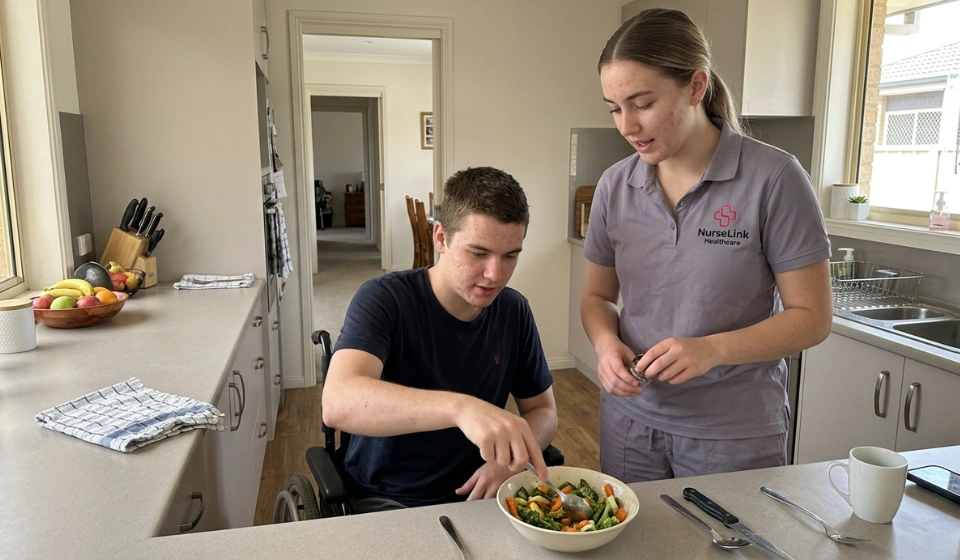
Supported Independent Living (SIL) and Specialist Disability Accommodation (SDA) are two different types of support available through the National Disability Insurance Scheme (NDIS). They are often confused because some people may use both when their individual circumstances require specialised housing alongside daily assistance. However, they serve different purposes. SIL is primarily focused on the support a person receives to manage everyday life and build independence, while SDA relates to specialist housing designed for people with significant disability related housing needs. Understanding the difference between SIL and SDA can help participants and their families make more informed decisions about where they live, what support they receive and how those arrangements align with their NDIS goals. What Are SIL & SDA In The NDIS? SIL, or Supported Independent Living, provides assistance for eligible NDIS participants who need ongoing support with everyday tasks and developing their independence. Depending on a person’s needs and approved funding, support may include personal routines, household activities, meal preparation, community participation and developing practical living skills. The aim is to help people live as independently as possible while receiving the assistance they need. SDA, or Specialist Disability Accommodation, is different because it relates to the physical home rather than the day to day support delivered to the person. SDA properties are specially designed or modified to accommodate people with significant functional impairment or very high support needs. SDA funding generally contributes towards the cost of the specialist accommodation, rather than paying for personal care or daily living assistance. Key points to understand include: SIL provides support with everyday living and building independence. SDA provides specialist housing designed around disability related needs. SIL and SDA are separate NDIS supports with different eligibility requirements. SDA does not generally cover the personal support a participant needs inside their home. A participant may receive SIL, SDA, both or neither, depending on their individual circumstances and NDIS plan. Key Differences Between SIL & SDA The main distinction in SIL vs SDA is straightforward: SIL is about the support a person receives, while SDA is about the specialist environment in which an eligible participant lives. SIL may involve support workers assisting with daily routines, personal tasks, household activities or skill development. SDA, on the other hand, relates to the design and features of a specialist home. The providers involved can also be different. A SIL provider generally delivers or coordinates support services, while SDA is connected to specialist accommodation and its provider or housing arrangements. These supports can work together, but they are not automatically linked. Someone may live in SDA and receive support from a separate SIL provider, depending on their plan and preferences. SIL Vs SDA At A Glance A simple example can make the distinction clearer. Imagine a participant lives in a specially designed home with accessible features that make it easier and safer for them to move around. The SDA relates to that specialist home. If support workers then assist the participant with cooking, personal routines, household tasks or developing independent living skills, those services may fall under SIL. This means the two supports address different needs, even when they are used together. What Does SIL Support Include? SIL can assist eligible participants who require regular support to live independently or with other people. The specific assistance depends on an individual’s NDIS plan, goals and level of support required. Understanding how does SIL work is particularly useful for participants considering whether supported living could suit their circumstances. Support may involve personal routines, preparing meals, cleaning, laundry, shopping and other household activities. It may also include assistance with accessing the community, developing practical skills and participating in activities that are important to the participant. The goal is not simply to complete tasks for someone. Where appropriate, SIL can focus on helping a person develop the confidence and skills to do more for themselves. How SIL Can Support Independent Living The sil benefits can extend beyond practical assistance. A well planned support arrangement can help a participant establish routines, develop new skills and make decisions about their everyday life. For example, a support worker might assist someone to learn how to prepare meals, manage household responsibilities or plan a shopping trip rather than simply completing these activities on their behalf. Support should be person centred and reflect the participant’s preferences and goals. The level of assistance can also change as needs develop. Some people may require substantial daily support, while others may need assistance with particular tasks or at specific times. What Does SDA Provide? SDA provides specialist accommodation for eligible NDIS participants who have significant functional impairment or very high support needs and meet the relevant NDIS requirements. The properties are designed with features that can make everyday living safer, more accessible and more suitable for people with particular disability related requirements. Depending on the property and design category, features may include improved accessibility, wider doorways, accessible bathrooms, specialised layouts, assistive technology or other modifications. SDA homes are generally designed around particular levels of accessibility and support needs. SDA design categories include Improved Liveability, Fully Accessible, High Physical Support and Robust. Each category has different design characteristics, allowing specialist accommodation to address varying needs. It is important to understand that SDA funding is primarily associated with the accommodation. It does not generally pay for the day to day personal support a participant may require. Those supports may be funded separately through other parts of an NDIS plan. Who May Be Eligible For SDA? SDA is intended for a specific group of NDIS participants who meet eligibility requirements. Eligibility is generally connected to having significant functional impairment or very high support needs and demonstrating that specialist housing is appropriate to the person’s circumstances. Eligibility is determined through the NDIS based on an individual’s needs and circumstances. Participants should therefore avoid assuming that needing accessible housing automatically means they qualify for SDA funding. SIL Vs SDA: Which Option Is Better For You? There is no universally better option because SIL and SDA
8 Simple Ways For Empowering People With Disabilities
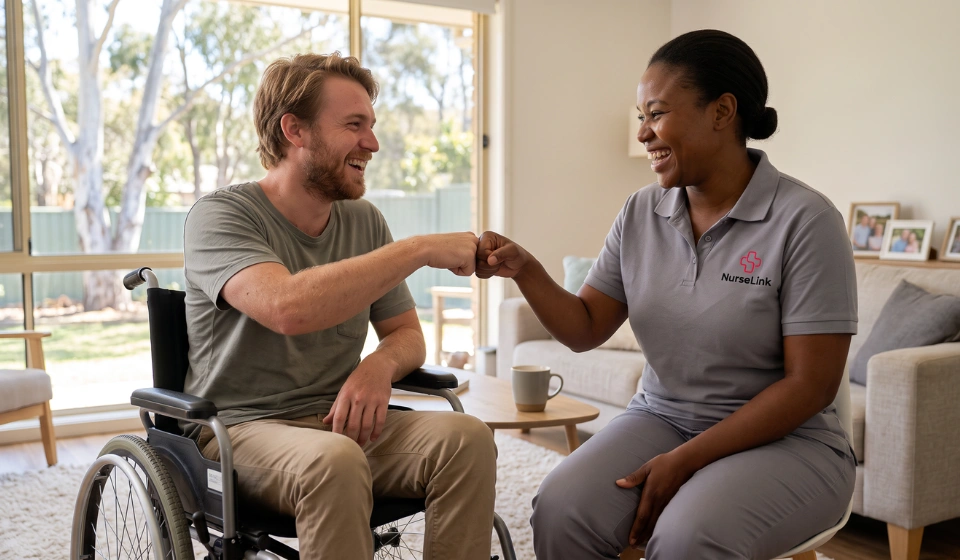
Empowerment means creating opportunities for people with disabilities to make choices, express their preferences, develop their abilities and participate in everyday life on their own terms. It is not about making decisions for someone or assuming what is best for them. Instead, it involves providing the right support, information, resources and encouragement so individuals can take an active role in decisions that affect their lives. Empowerment is also a shared responsibility. Individuals, families, carers, support workers, educators, employers, healthcare professionals and communities all have a role to play in creating environments where people with disabilities can participate equally. Small changes in communication, accessibility and attitudes can make a meaningful difference to someone’s confidence and independence. This guide explores eight practical approaches to empowering people with disabilities, from encouraging independence and education to improving healthcare access, employment opportunities and community participation. Why Empowerment Matters For People With Disabilities Empowerment can have a direct influence on quality of life and emotional wellbeing. When people have greater control over their routines, goals and decisions, they may feel more confident in expressing their preferences and taking part in activities that are meaningful to them. Having opportunities to make choices can also support a stronger sense of identity, purpose and personal achievement. Empowerment is closely connected to independence and self-determination. While some individuals may require ongoing assistance, receiving support does not mean losing the ability to make decisions. Providing appropriate choices and respecting individual preferences can help people take greater ownership of their lives. At a broader level, empowerment also challenges assumptions and stigma surrounding disability. When communities remove barriers and promote equal participation, people with disabilities are better positioned to contribute to education, employment, social activities and community life. 8 Simple Ways Of Empowerment Empowerment does not always require major changes. Practical support, respectful communication and greater access to opportunities can gradually create more independence and participation. Here are eight ways families, carers, support workers and communities can contribute. 1. Encourage Independence In Daily Life Supporting independence starts with everyday activities. Rather than automatically completing tasks for someone, consider what they can do independently and where assistance is genuinely needed. Self-care, meal preparation, household routines, shopping and personal organisation can all provide opportunities to practise skills and make decisions. Assistive tools and adaptive techniques can make everyday tasks easier without removing the individual’s involvement. Depending on personal needs, these may include mobility aids, communication devices, adapted kitchen equipment or technology designed to support organisation and accessibility. The goal is to provide enough assistance to make participation possible while allowing individuals to retain control wherever practical. Decision-making should also be encouraged. Simple choices about meals, clothing, activities, schedules and personal goals can reinforce the idea that an individual’s preferences matter. Over time, these everyday decisions can help build confidence for more complex choices. 2. Promote Inclusive Education Education can open pathways to independence, employment and social participation. People with disabilities should have access to educational environments that match their abilities, interests and learning goals. Depending on individual circumstances, this may include mainstream education, specialised education programs, vocational training or other learning opportunities. Individualised learning plans can help educators identify appropriate goals, teaching approaches and adjustments. Additional support staff, accessible learning materials and assistive technology may also help remove barriers to participation. An inclusive educational environment should focus on potential rather than limitations. Giving students opportunities to participate in classroom discussions, projects, extracurricular activities and decision-making can help them develop confidence alongside academic and practical skills. 3. Support Employment Opportunities Employment can provide more than financial independence. A suitable job can offer structure, social connection, confidence, professional development and a stronger sense of contribution. For this reason, people with disabilities should have meaningful opportunities to explore employment based on their interests, skills and goals. Skills training and job placement programs can help individuals prepare for employment and identify suitable roles. Training may focus on technical abilities, communication, workplace routines, interview preparation or other skills relevant to a particular industry. Employers also have an important role to play. Inclusive hiring practices can involve accessible recruitment processes, reasonable workplace adjustments and a willingness to evaluate candidates based on their capabilities. Creating supportive workplaces benefits employees while also helping organisations access a wider range of skills and perspectives. 4. Improve Access To Healthcare Services Access to appropriate healthcare is an important part of maintaining independence and quality of life. Regular checkups, preventive care and timely treatment can help identify health concerns early and support ongoing wellbeing. Some individuals may also require specialised services, allied health support, rehabilitation or other forms of care. However, healthcare access can sometimes involve practical barriers. Transport difficulties, inaccessible facilities, communication challenges, appointment systems and a lack of suitable information can make services harder to access. Families, carers and healthcare providers can help by identifying these barriers and finding practical solutions. Accessible communication, appropriate transport arrangements, suitable facilities and personalised care approaches can make healthcare experiences more comfortable and effective. Supporting individuals to understand their healthcare choices can also encourage greater involvement in their own care. 5. Build Social Inclusion & Community Participation Social connection is an important part of wellbeing. People with disabilities should have opportunities to develop friendships, participate in community groups and attend events based on their interests. This could include sporting programs, creative groups, social clubs, volunteering, recreational activities or local community events. Community participation becomes easier when public spaces are genuinely accessible. Accessible entrances, pathways, bathrooms, seating, transport options and clear information can help more people participate comfortably. It is equally important to consider social accessibility. People should be welcomed, listened to and included rather than simply accommodated physically. Encouraging genuine interaction can help reduce isolation and create stronger connections between people with and without disabilities. 6. Advocate For Accessibility & Rights Understanding the rights of people with disabilities can help individuals and their supporters recognise when barriers need to be addressed. Access to education, employment, healthcare, community participation and appropriate services are important areas where people may need
Group Activities For People With Disabilities
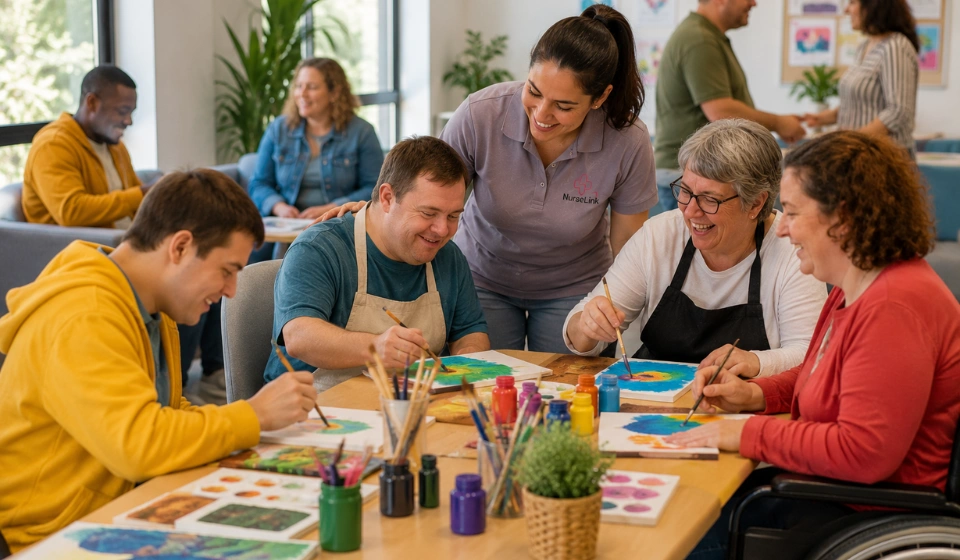
Group activities can play an important role in helping people with disabilities connect with others, explore their interests and participate more actively in their communities. The right activity is not simply about keeping people occupied. It can create opportunities to develop practical skills, build confidence, express creativity and enjoy meaningful social experiences in a supportive environment. Inclusive activities can also provide physical, social and emotional benefits. Depending on the activity, participants may improve coordination and mobility, practise communication, develop problem-solving skills or simply experience the enjoyment of being part of a group. This guide explores different group activities for people with disabilities, along with practical considerations for making them accessible, flexible and enjoyable for people with different abilities and support needs. Why Group Activities Matter For People With Disabilities Regular group participation can help reduce social isolation by creating consistent opportunities to meet people, communicate and form relationships. Activities such as games, creative workshops, sports and community programs give participants a natural setting to interact with others while sharing common interests. This can be particularly valuable for people who may have limited opportunities to socialise outside their usual routines. Inclusive NDIS social activities can also encourage stronger connections between participants and their wider community. Group settings can support the development of communication, motor and cognitive skills in ways that feel practical rather than purely instructional. For example, a cooking activity may involve following instructions and making choices, while an adaptive sport may encourage coordination, movement and teamwork. Successfully completing an activity can also strengthen confidence and encourage greater independence. Over time, regular participation can help people feel more comfortable trying new experiences, making decisions and contributing to a group. Most importantly, inclusive activities can create a sense of belonging by helping participants feel recognised, valued and included within their community. Types Of Group Activities Suited To Different Needs There is no single activity that will suit everyone. Preferences, abilities, communication styles, sensory needs and personal goals can all influence which activities are most appropriate. A varied program allows participants to explore different experiences and choose activities that match their interests and comfort levels. Sensory & Physical Group Activities Physical activities can be adapted to accommodate different mobility levels and abilities. Adaptive sports such as wheelchair basketball, modified swimming sessions and other inclusive sporting programs can encourage movement while developing teamwork and social interaction. Activities do not necessarily need to be competitive. The focus can instead be on participation, enjoyment and achieving individual goals. Sensory play sessions can also provide engaging experiences for participants with different sensory preferences. Music, textured materials, safe light-based activities and other sensory experiences can be incorporated into structured group sessions. These activities may encourage exploration and self-expression while allowing participants to engage at their own pace. Movement-based activities such as adapted yoga, gentle stretching and dance therapy can provide another flexible option. Movements can often be modified to suit different physical abilities, and participants may choose to perform activities while seated or standing. Beyond physical movement, these sessions can support body awareness, concentration and emotional expression. Social & Creative Group Activities Creative activities can be particularly effective because they allow participants to communicate and express themselves without relying entirely on verbal communication. Art and craft workshops might include painting, drawing, collage, clay work or simple group projects. Participants can work independently while still sharing the same environment, materials and social experience. Group games and icebreakers can help participants become familiar with one another and make new environments feel more comfortable. Simple games can be adapted to accommodate different communication, mobility or cognitive needs. Music and drama groups can also encourage self-expression, confidence and collaboration. Singing, rhythm activities, role play and storytelling can give participants different ways to participate according to their strengths. Cooking and life-skills classes offer opportunities to combine social interaction with practical learning. Participants might prepare a simple meal, practise measuring ingredients, learn kitchen safety or work together to organise a shared activity. These experiences can support independence while also teaching planning, communication and decision-making skills. Among the many group activities for adults with disabilities, practical classes can be especially valuable because the skills developed may also be applied in everyday life. Tips For Planning Inclusive Group Activities Successful inclusion requires more than simply inviting people to participate. Activities should be considered from the participant’s perspective, including what they may need to access the activity comfortably and confidently. Good planning can remove unnecessary barriers while still allowing people to make choices about how they participate. Assess Individual Needs & Abilities Before planning an activity, consider the physical, sensory, communication and cognitive requirements of each participant. Some people may require mobility assistance, while others may benefit from visual instructions, additional processing time or a quieter environment. Understanding these differences makes it easier to select activities that are genuinely accessible rather than expecting everyone to participate in exactly the same way. It is also important to consider individual interests. An activity may technically be accessible but still fail to engage participants if it does not reflect what they enjoy. Where possible, involve participants in choosing activities and ask what they would like to learn, try or experience. Choose Accessible Venues & Equipment The physical environment can have a major influence on participation. Venues should provide appropriate access for wheelchairs, walkers and other mobility aids, with suitable entrances, pathways, seating and bathroom facilities. Consider lighting, noise levels and other sensory factors as well. Equipment should also be selected according to the needs of the group. Adapted sporting equipment, easy-grip tools, visual resources or alternative materials may make an activity more accessible. Small adjustments can make a significant difference without changing the core purpose of the activity. Involve Trained Support Staff Or Volunteers Having appropriately trained support staff or volunteers can help participants feel more comfortable and confident. Support may involve explaining instructions, assisting with equipment, facilitating communication or helping someone participate safely. The aim should be to provide the right level of assistance without unnecessarily taking
NDIS New Framework Planning: The 4-Step Process You Need To Know
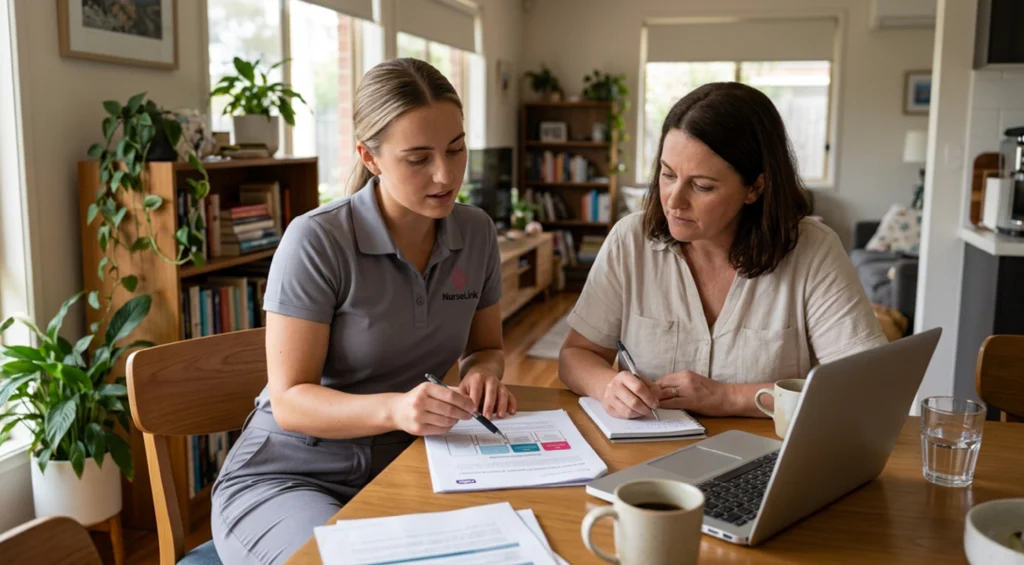
In 2024, the Australian Parliament passed changes to the NDIS Act, and those changes have quietly set the direction for one of the most significant reshapes of the scheme since it began. The intent behind the legislation is straightforward when you strip it back: improve the experience for participants and make sure the NDIS remains fair, consistent and sustainable well into the future. What that intent looks like in practice, however, is where many participants, families and carers understandably have questions. This blog breaks down the NDIS new framework planning approach and the four step process every participant should understand before their turn to transition arrives. Why The NDIS Is Introducing New Framework Plans The push for change did not come out of nowhere. The NDIS Review gathered extensive feedback from the disability community, and a consistent theme emerged: for the scheme to become genuinely person-centred, some fundamentals needed to shift. Participants and their families described planning processes that felt opaque, funding decisions that were hard to interpret, and plans that did not always flex with real life. From that feedback, three core drivers now sit behind the new framework: clearer processes for assessments and planning, more transparent decision-making around funding, and greater flexibility in how plans can be used. Viewed together, these drivers represent a deliberate move away from a system that participants had to navigate around, towards one designed to fit the person at its centre. Analytically, it is less about adding new hoops and more about making the existing journey visible, so participants can see how and why decisions about their supports are made. Who Is Affected By The New Framework Planning Changes Not everyone will feel these changes at the same time, and that is by design. The transition has been structured as a gradual, staged rollout rather than a single switchover date, which means the practical impact will vary depending on where you sit in the queue. Here is what we know so far: All NDIS participants aged 16 years and over will gradually move to new framework plans over time. Because the changes are happening in stages, many participants will not notice any difference at first, and there is no need to take action before the NDIA contacts you. Only people who are already NDIS participants will go through the new framework planning process. New applicants follow a separate access pathway to apply for and enter the NDIS, so the framework planning process does not apply to them at the point of entry. The approach itself is being shaped collaboratively, with state and territory governments, the National Disability Insurance Agency (NDIA) and the disability community all contributing to how the rollout takes form. The 4-Step New Framework Planning Process Explained At the heart of the reform is a proposed participant journey built around four clear steps. Each step has a defined purpose, and together they trace the path from first contact through to actively using a new plan. Understanding what happens at each stage makes the whole process feel far less daunting. Step 1: Preparing For A Support Needs Assessment The journey begins when the NDIA reaches out. At this stage, the agency contacts the participant directly and provides information to help them prepare for their upcoming support needs assessment. Think of this as the orientation phase. It is the point where participants learn what to expect, what the assessment will involve, and how they can get ready. Nothing is assessed yet; the focus is entirely on preparation and clear communication. Step 2: The Support Needs Assessment This is the step most participants will be curious about. The participant meets with an NDIA assessor to talk through their daily life, their support needs and their preferences. The conversation is intended to build a genuine picture of how the person lives, what helps them, and what they want their supports to achieve. Once the discussion is complete, the assessor prepares and submits the Support Needs Assessment report to the NDIA. That report becomes the foundation for everything that follows, which is why the earlier preparation step matters so much. Step 3: Building A Plan With the report in hand, the NDIA uses it to structure the participant’s plan and to create a total funding amount, known as the NDIS plan budget. What is notable here from a transparency standpoint is what the participant receives: both the report itself and their NDIS plan, with an explanation of how the budget was created. Rather than a figure arriving without context, participants can trace the line from what they discussed in their assessment through to the funding in their plan. Step 4: Using A Plan The final step is where the plan comes to life. Participants have the option of an implementation meeting, which is a chance to walk through the new plan and understand how it works day to day. From there, participants can use the NDIS Supports list to choose, purchase and claim for supports under their new plan. The list based approach is intended to make it clearer what can and cannot be funded, removing much of the guesswork that participants have described in the past. Understanding The Rules Behind Each Step One of the more technical, yet genuinely important, aspects of the reform is that the Australian Government and state and territory governments are developing a dedicated set of rules for each of the four steps. The purpose is to increase understanding of how plans and budgets are generated, improving transparency and visibility across the entire process. In broad terms: Step 1 rules cover the notice to have a new framework plan, including which groups of participants will transition and the time period in which different groups will move across. Step 2 rules address the NDIS support needs assessment itself, including the assessment tool and process, the content and structure of the report, and the replacement assessment process. Step 3 rules set out the budget method, the types of supports to be stated
7 Principles Of Positive Behaviour Support
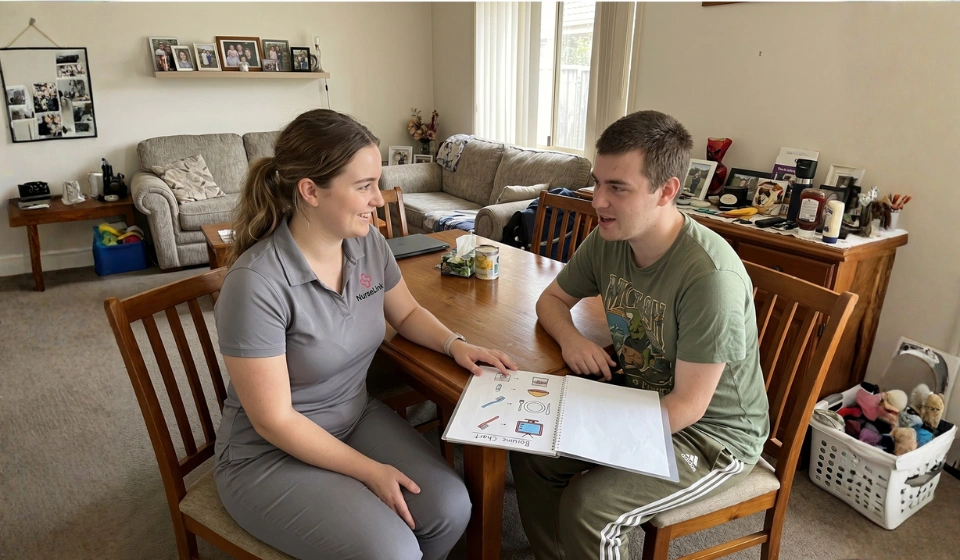
For many people living with disability or complex support needs, behaviour is often misunderstood. What looks like a challenging moment on the surface is usually a form of communication, a response to an unmet need, discomfort, or an environment that isn’t working for them. This is where Positive Behaviour Support (PBS) comes in. Rather than trying to control or suppress behaviour, PBS looks at the reasons behind it and builds strategies that genuinely improve a person’s quality of life. It’s an approach grounded in respect, evidence, and collaboration, and it has become a cornerstone of good disability and NDIS support across Australia. In this article, we’ll walk through what PBS actually means, why it matters so much for wellbeing and independence, and the seven core principles that guide effective, person-centred behaviour support. What Is Positive Behaviour Support? At its core, the positive behaviour support meaning centres on understanding a person rather than managing their behaviour from the outside in. It’s an evidence-based, person-centred framework that looks beneath the surface of behaviours of concern to figure out what’s actually driving them. Instead of reacting to an incident after it happens, practitioners work to understand the function of the behaviour, what the person is trying to communicate or achieve, and what might be triggering it. This process usually involves a functional behaviour assessment, which then informs a Behaviour Support Plan. This plan sets out practical, individualised strategies that support workers, families, and carers can apply consistently. It isn’t a generic document; it’s built around the person’s history, environment, communication style, and goals. Within the NDIS, behaviour support plans are a recognised and often essential part of a participant’s broader plan, helping align day to day support with longer term goals around independence, safety, and dignity. Done well, PBS doesn’t just reduce difficult moments, it genuinely improves how someone experiences their daily life. Why Is Positive Behaviour Support Important? The value of PBS becomes clear once you see it in action. When support is built around understanding rather than control, participants tend to feel calmer, more secure, and more in charge of their own lives. Wellbeing improves because needs are being met rather than ignored or misread. PBS also plays a significant role in promoting independence and inclusion. By teaching new skills and building on existing strengths, participants are better equipped to take part in community life, form relationships, and make choices for themselves. Just as importantly, a well-implemented PBS approach reduces reliance on restrictive practices, which should always be a last resort and only used when absolutely necessary. Finally, PBS encourages positive skill development over time, helping participants build the tools they need to navigate everyday challenges more confidently and with less support intervention required. The 7 Principles Of Positive Behaviour Support While every Behaviour Support Plan looks different, they’re all guided by the same underlying framework. Here are the seven principles that shape effective, ethical, and lasting positive behaviour support. 1. Person-Centred Approach Everything starts with the individual. A genuinely effective plan is built around the participant’s own goals, strengths, preferences, and needs, not a generic template applied across the board. This means actively involving the person in decisions about their own support wherever possible, encouraging choice, independence, and meaningful participation rather than support that simply happens to them. 2. Respect For Human Rights & Dignity PBS is grounded in the belief that every person deserves to be treated with dignity, fairness, and equal opportunity. This principle places a strong emphasis on minimising restrictive practices wherever they can safely be avoided, and ensures that support strategies never come at the cost of a person’s basic rights or self-respect. 3. Understanding The Function Of Behaviour Rather than asking “how do we stop this behaviour,” PBS asks “why is this happening in the first place.” Practitioners use functional behaviour assessments to explore what a behaviour is communicating, whether that’s pain, frustration, sensory overload, or an unmet need, so that support can address the actual cause rather than just the symptom. 4. Proactive & Preventative Support Good PBS looks ahead rather than reacting after the fact. This involves identifying triggers early and adjusting environments, routines, and daily structures to prevent behaviours of concern before they arise. Prevention is almost always more effective, and far less distressing for everyone involved, than managing a crisis after it’s already underway. 5. Skill Development & Capacity Building A major part of PBS is teaching new skills, particularly around communication, emotional regulation, and daily living. When someone has better tools to express frustration, ask for help, or manage overwhelming situations, they’re far less likely to rely on behaviours of concern. Over time, this shifts the focus from managing incidents to building genuine capacity and confidence. 6. Collaboration With Families & Support Networks No Behaviour Support Plan works in isolation. Practitioners need to work closely with families, carers, allied health professionals, and support workers to make sure strategies are realistic, consistent, and actually reflect how the person lives day to day. When everyone involved understands and applies the same approach, participants experience far more stability and predictability. 7. Continuous Monitoring & Review People change, and so do their needs. Effective PBS involves regularly reviewing how well strategies are working and making adjustments as circumstances shift. A plan that was right six months ago might need refining today, and ongoing evaluation ensures support stays relevant and effective over time. Benefits Of Positive Behaviour Support For Participants & Families The benefits of positive behaviour support extend well beyond the participant themselves, reaching families, carers, and the wider support network. Benefits For Participants Participants generally experience an improved quality of life, with stronger communication and social skills, greater independence, and more genuine participation in community activities. Over time, behaviours of concern tend to reduce as underlying needs are better understood and addressed. Benefits For Families & Carers Families and carers often notice reduced stress and caregiver burden once consistent strategies are in place. Relationships within the family tend to improve as everyone