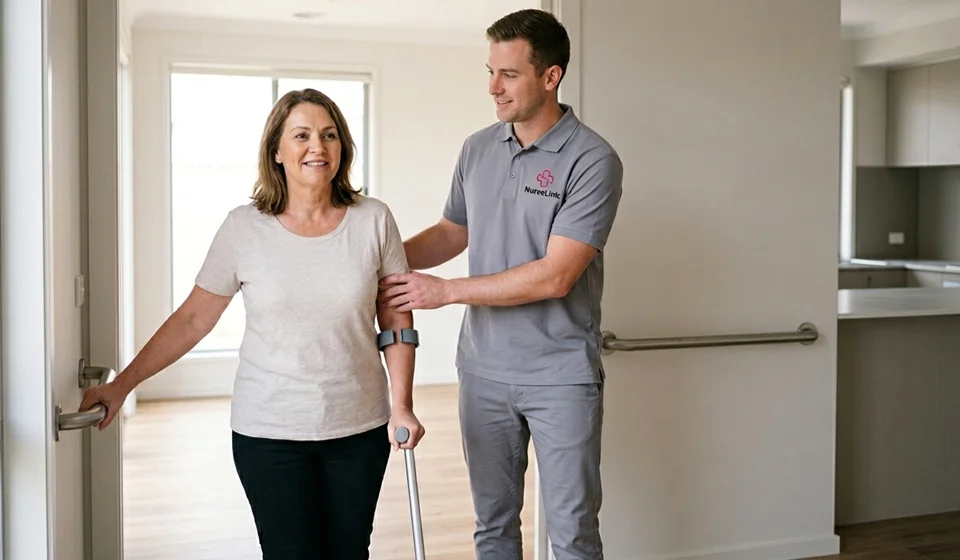
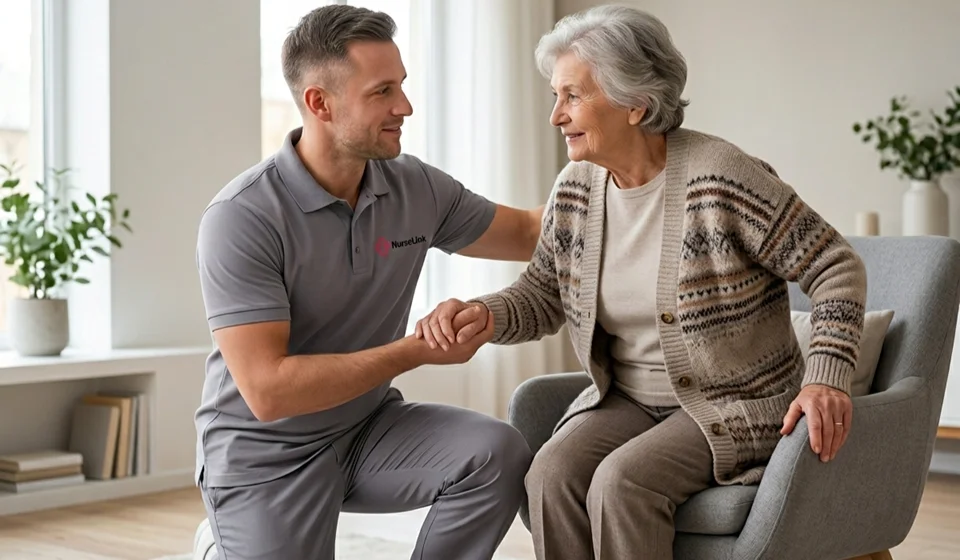
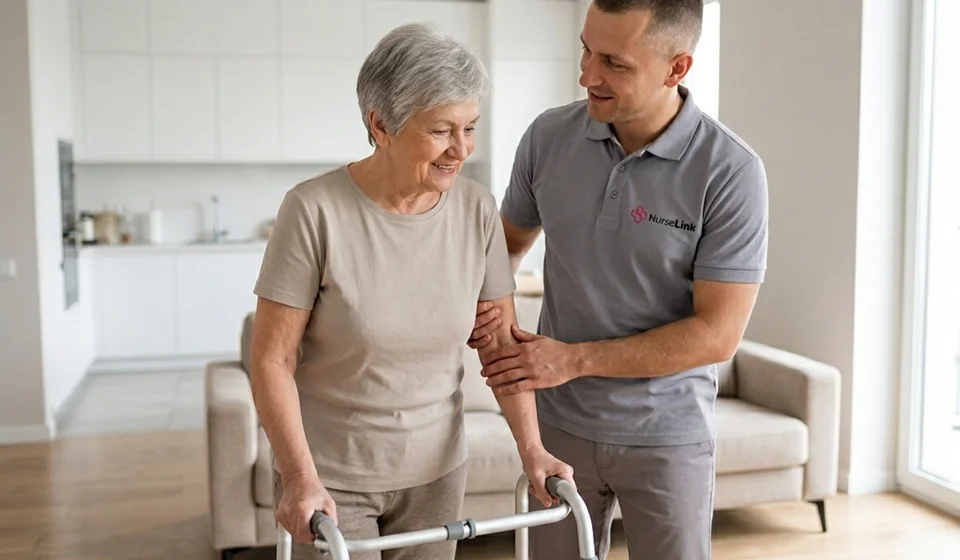
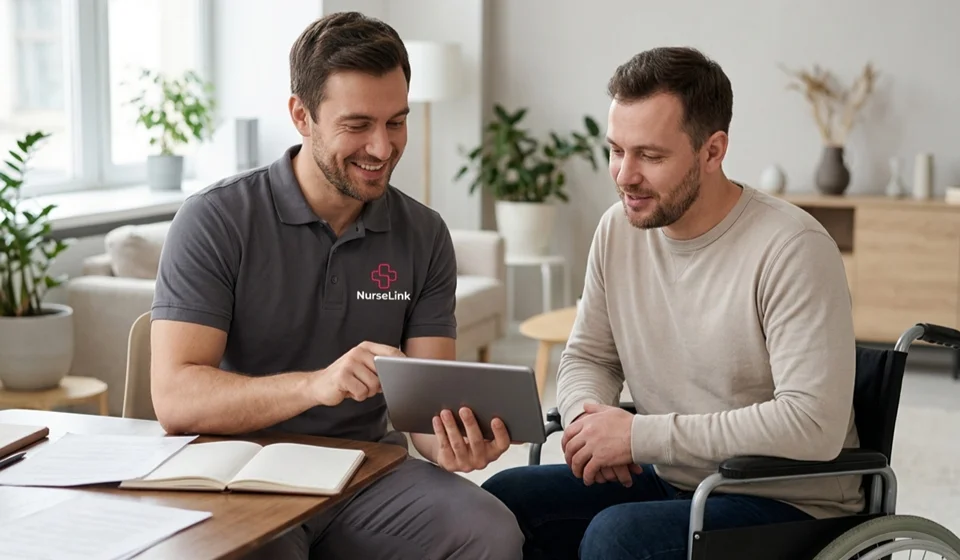
Outdoor activities play a vital role in improving overall health and well-being for people with disabilities. Access to safe and inclusive outdoor experiences supports independence, dignity, and quality of life while creating opportunities for meaningful engagement beyond the home. As a care provider, NurseLink Healthcare recognises the importance of encouraging participation in community-based activities that promote both physical and emotional well-being.
Enhancing Physical Health Through Outdoor Movement
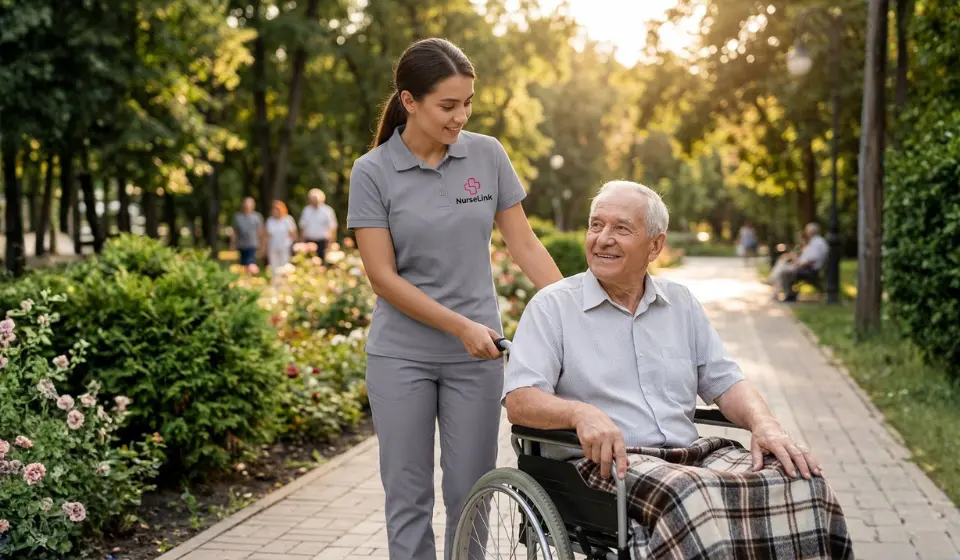
Engaging in outdoor activities for people with disabilities provides a practical and enjoyable way to improve physical health. Movement in natural environments encourages gentle exercise that can be adapted to suit individual abilities, making it accessible for a wide range of needs. Whether it is walking in a park, participating in light outdoor games, or engaging in supported mobility exercises, these activities contribute to better physical function over time.
From a clinical perspective, consistent movement plays a key role in preventing secondary health conditions such as muscle stiffness, joint limitations, and reduced cardiovascular endurance. Outdoor activities for disabled adults often provide a more stimulating and motivating environment compared to indoor settings, encouraging individuals to remain active and engaged.
- Supports mobility, strength, and coordination through gentle and adaptive physical activity.
- Helps improve cardiovascular health and overall fitness levels.
- Encourages regular movement, reducing the risk of secondary health conditions.
- Promotes flexibility and muscle function through low-impact exercises.
- Exposure to natural environments can aid in better sleep patterns and physical recovery.
Additionally, spending time outdoors introduces natural variations in terrain and movement, which can help improve balance and coordination. This type of physical engagement is particularly beneficial for individuals working towards rehabilitation or maintaining functional independence.
Supporting Mental Health & Emotional Wellbeing
The mental health benefits of outdoor engagement are equally significant. Nature-based activities are widely recognised for their ability to reduce stress, anxiety, and emotional fatigue. For individuals with disability, these experiences offer a valuable opportunity to step away from routine care environments and experience a sense of freedom and relaxation.
Spending time in green spaces has been shown to promote calmness and improve overall mood. The sensory aspects of outdoor environments, such as fresh air, natural light, and open space, contribute to emotional stability and mental clarity. Participating in outdoor activities for special needs adults can also create moments of joy and achievement, which are essential for building confidence.
Another important aspect is the psychological benefit of accomplishment. Whether it is completing a short walk, participating in disabled outdoor activities, or engaging in a group-based experience, these achievements help strengthen self-esteem and reinforce a positive self-image. This is particularly valuable for individuals who may otherwise experience limitations in daily activities.
Outdoor engagement also provides a break from structured routines, which can sometimes feel restrictive. This change in environment supports cognitive refreshment, helping individuals feel more energised and emotionally balanced. Over time, these positive experiences contribute to improved resilience and overall mental well-being.
Promoting Social Inclusion & Community Participation
Outdoor activities serve as a powerful platform for social interaction and inclusion. For many individuals with disabilities, opportunities to engage with the broader community can be limited due to accessibility challenges or a lack of support. Participating in outdoor activities helps bridge this gap by creating inclusive spaces where individuals can connect with others.
Social interaction is a fundamental component of well-being. Engaging in outdoor games for disabled adults or community-based events encourages communication, teamwork, and shared experiences. These interactions help reduce feelings of isolation and loneliness, which are common concerns in disability care.
Community participation also fosters a sense of belonging. Being part of a group activity or simply spending time in public spaces allows individuals to feel included and valued within society. This not only enhances emotional wellbeing but also promotes confidence in social settings.
From a care perspective, encouraging participation in outdoor environments aligns with a holistic approach to health. It supports not just physical and mental wellbeing, but also social development. Over time, these experiences help individuals build meaningful relationships and strengthen their connection to the community.
Building Independence & Life Skills
Outdoor environments provide a unique setting for developing independence and essential life skills. Unlike controlled indoor spaces, outdoor settings present real-world challenges and opportunities that encourage individuals to adapt and learn. This is particularly important for people with disability who are working towards greater autonomy.
Engaging in outdoor activities for disabled adults supports the development of decision-making and problem-solving skills. For example, navigating a pathway, choosing an activity, or interacting with others requires active participation and independent thinking. These experiences build confidence and encourage individuals to take initiative.
In addition, outdoor activities contribute to the development of practical life skills. Tasks such as managing personal belongings, following instructions, and engaging in social interactions are reinforced in natural settings. These skills are essential for daily living and long-term independence.
The sense of achievement gained from participating in outdoor activities also plays a crucial role in building self-confidence. Each successful experience reinforces the individual’s ability to engage with the world around them, promoting a sense of autonomy and personal accomplishment. Over time, this contributes to improved self-reliance and overall quality of life.
The Role of Accessible Environments & Support Systems
While the benefits of outdoor activities are clear, accessibility remains a key factor in ensuring meaningful participation. Inclusive infrastructure such as accessible parks, pathways, and public facilities is essential for enabling individuals with disability to engage safely and comfortably in outdoor environments.
At NurseLink Healthcare, we understand that access alone is not enough. The presence of trained support workers and caregivers plays a vital role in facilitating participation. These professionals provide guidance, ensure safety, and adapt activities to suit individual needs, making outdoor experiences both enjoyable and beneficial.
Assistive equipment also plays an important role in enabling mobility and engagement. From mobility aids to adaptive recreational tools, these resources help individuals overcome physical barriers and participate more fully in activities. When combined with appropriate support, they significantly enhance the overall experience.
Personalised care planning is another critical component. Each individual has unique abilities, preferences, and goals, and outdoor activities should be tailored accordingly. By aligning activities with personal interests and capabilities, care providers can ensure that participation is both meaningful and sustainable.
Creating inclusive outdoor experiences requires collaboration between caregivers, families, and community organisations. When these elements come together, individuals with disability are empowered to explore, engage, and thrive in their environments.
Conclusion
Outdoor activities are essential for supporting the holistic health and wellbeing of people with disability. With the right level of accessibility, support, and encouragement, individuals can experience improved physical health, enhanced emotional wellbeing, and stronger social connections. At NurseLink Healthcare, we are committed to creating inclusive opportunities that empower individuals to lead active, fulfilling lives with confidence and dignity.