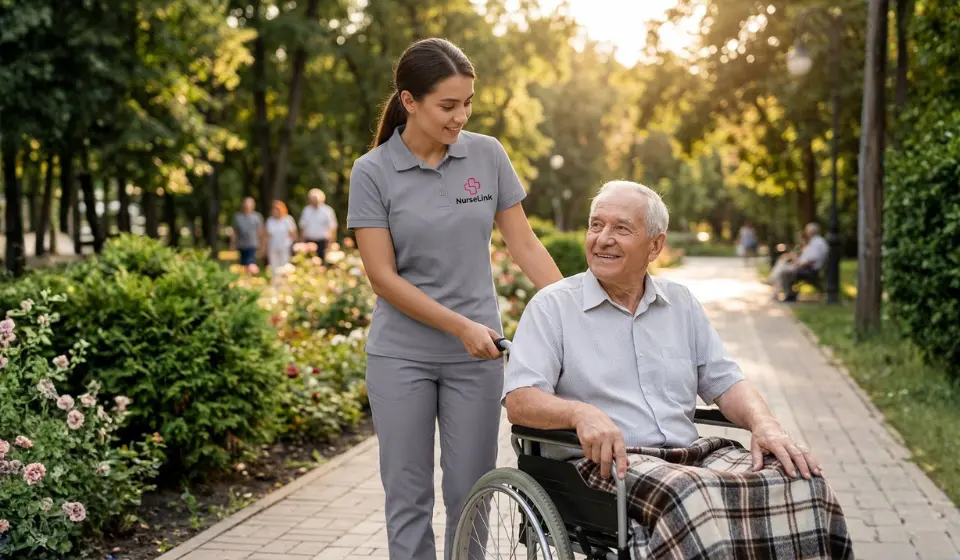
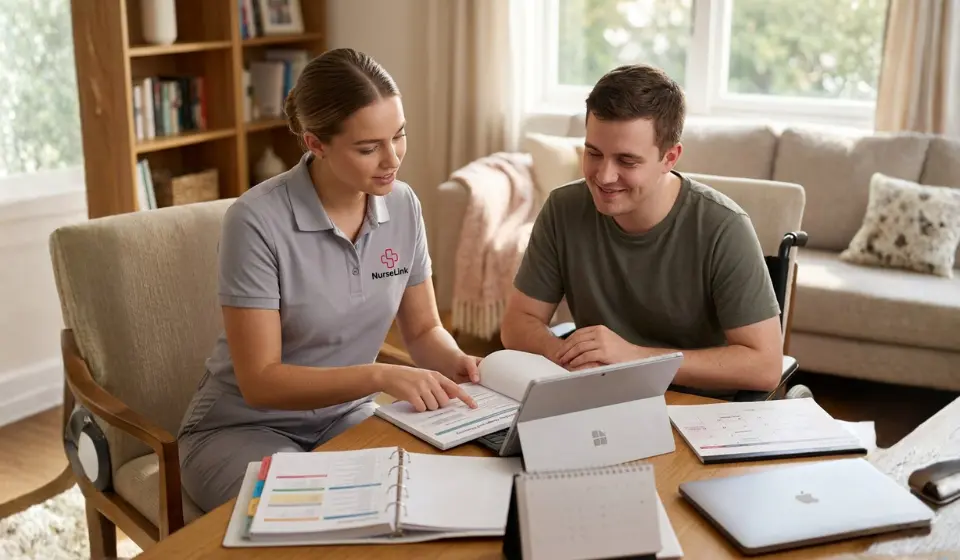
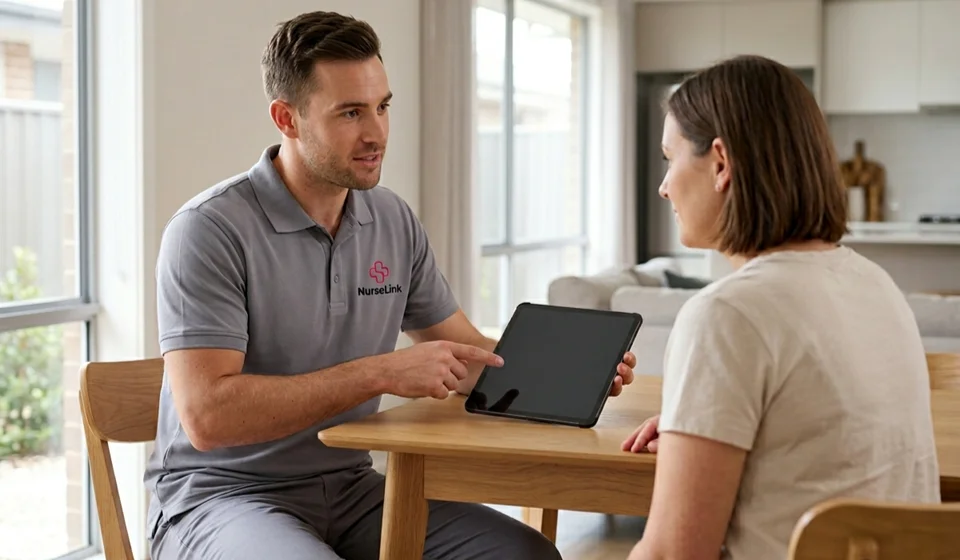
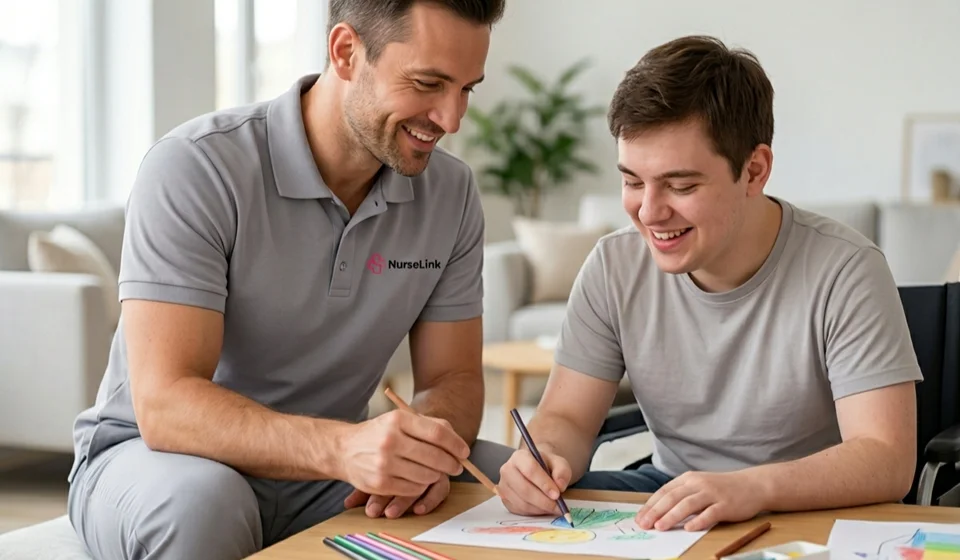
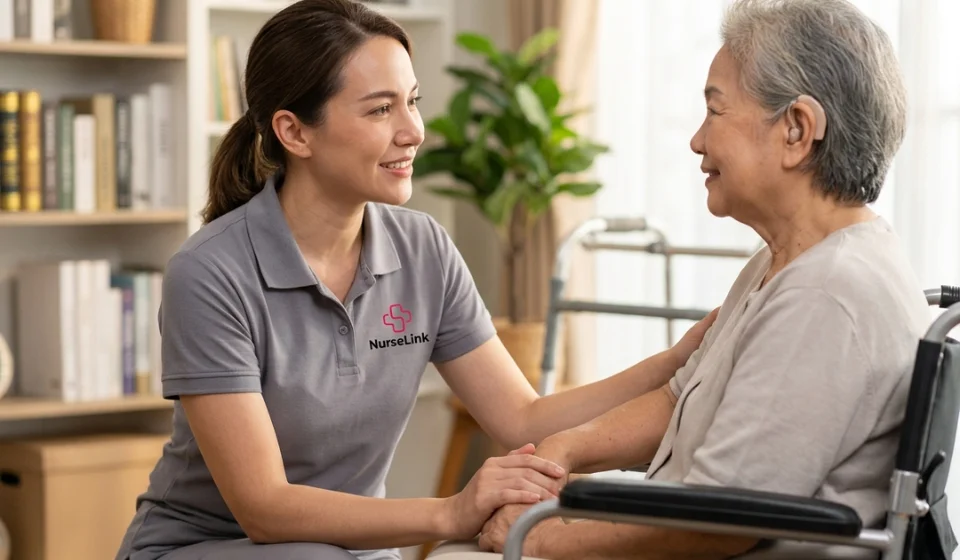
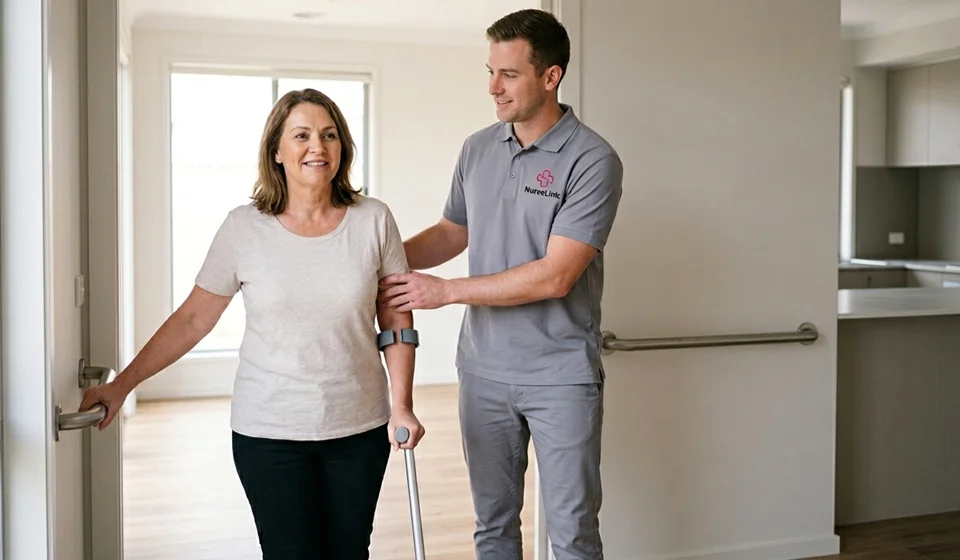
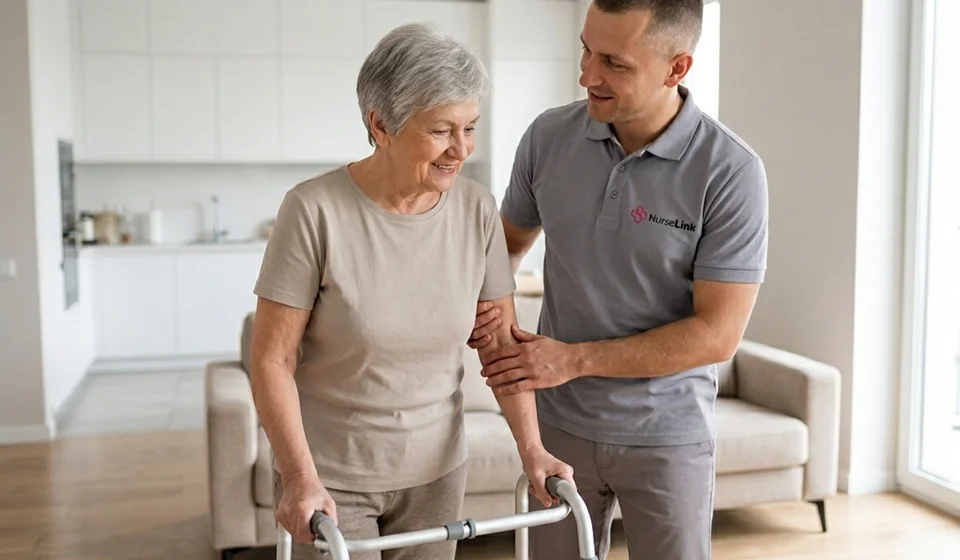
Independent living is not about doing everything alone, but about having the confidence and ability to manage everyday life in a safe and meaningful way. It involves understanding personal needs, making informed choices, and maintaining a sense of control over daily routines. For many individuals and families, finding the right balance between independence and support is key. Small, consistent progress often builds lasting confidence, while caregivers play an important role in guiding, encouraging, and stepping in only when needed. This approach ensures that independence is supported with dignity rather than replaced.
Managing Personal Finances
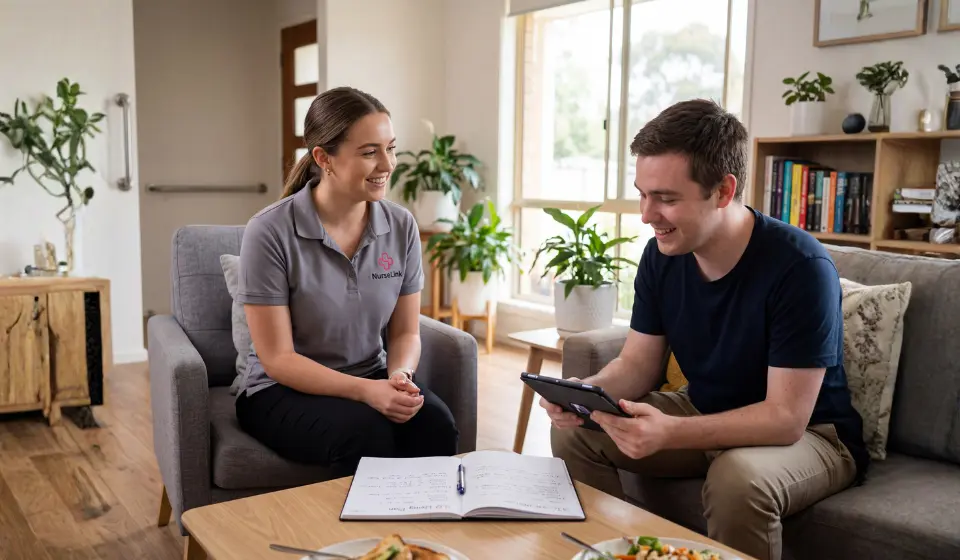
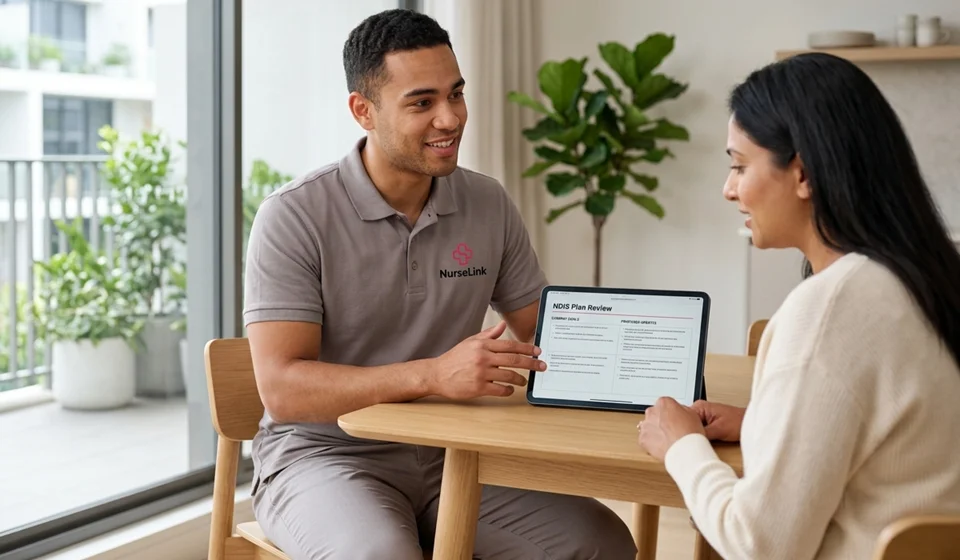
Managing money is a core part of any independent living skills checklist, as it directly impacts stability, security, and day-to-day decision making. For individuals developing life skills for independent living, building confidence with finances starts with simple, practical steps that are easy to follow and maintain over time.
It is equally important to create systems that reduce stress and minimise the risk of errors or financial harm. Caregivers and support providers can assist by introducing safe practices while still encouraging autonomy wherever possible.
- Setting up a simple weekly or monthly budget to track income and expenses.
- Organising bill payments through reminders or automatic transfers.
- Using secure banking options such as debit cards or assisted online banking.
- Monitoring spending patterns to identify unnecessary expenses.
- Recognising when additional support is needed to prevent financial risks.
Planning Meals & Preparing Food
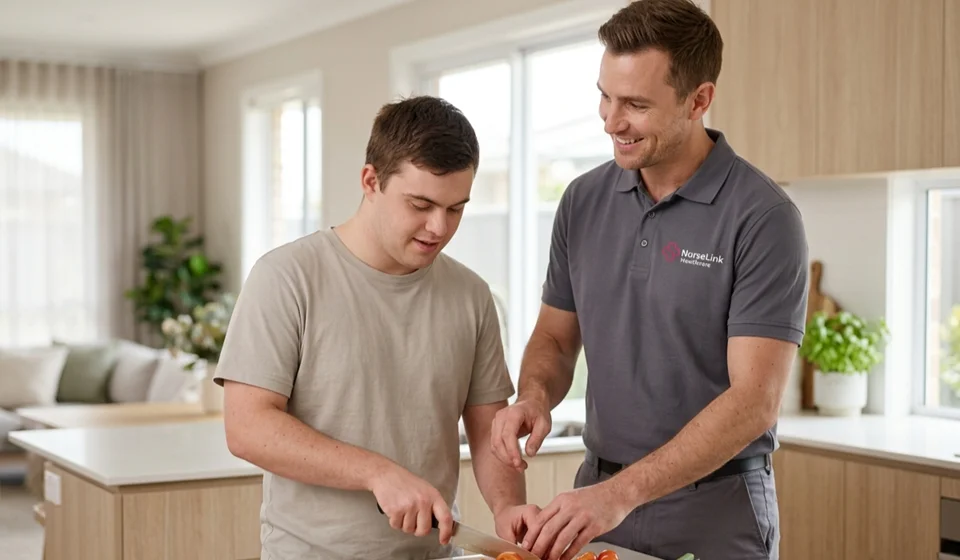
Meal planning and preparation are essential daily living skills for adults, supporting both physical health and routine. A structured yet flexible approach helps individuals maintain a balanced diet while building confidence in the kitchen.
For those working through an independent living daily living skills checklist for adults, the goal is not perfection but consistency. Encouraging independence in meal preparation, while ensuring safety and simplicity, creates a positive and sustainable routine.
- Creating easy-to-follow meal plans that suit personal preferences and dietary needs.
- Practising safe food handling, including proper storage and hygiene.
- Learning basic cooking techniques that build confidence over time.
- Adjusting meals to accommodate health conditions or cultural preferences.
- Ensuring kitchen safety through supervision, adaptive tools, or clear instructions.
Home Upkeep & Cleaning
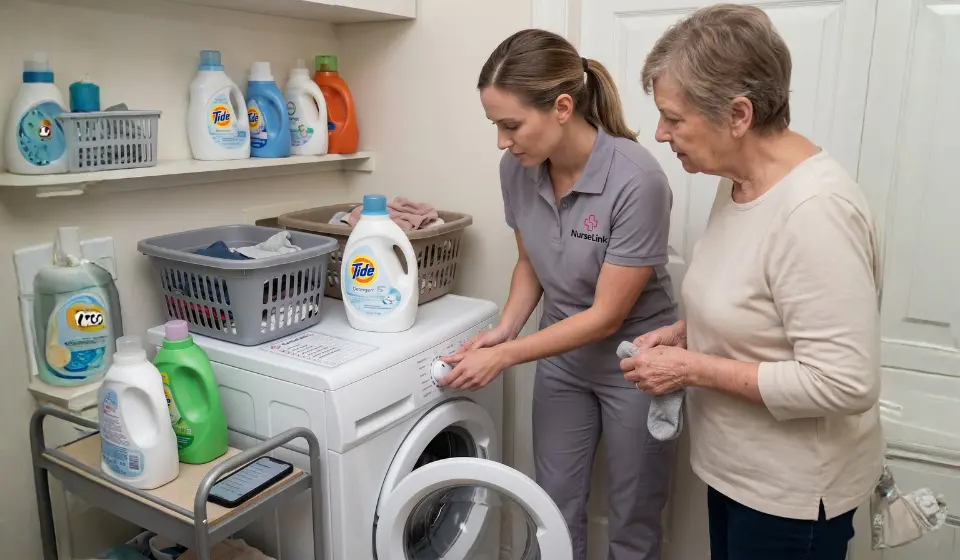
A clean and organised home environment plays a major role in overall wellbeing and safety. Maintaining a space that is tidy and free from hazards is a key part of an independent living skills checklist.
Rather than approaching cleaning as a large or overwhelming task, breaking it down into manageable routines can make it more achievable. This also allows individuals to build consistency and take ownership of their living space.
- Developing simple daily and weekly cleaning routines.
- Keeping commonly used areas clutter-free to reduce fall risks.
- Identifying and addressing potential hazards such as loose rugs or spills.
- Using appropriate cleaning tools that are easy and safe to handle.
- Seeking help for physically demanding or complex household tasks.
Handling Transportation Needs
Transportation is closely linked to independence, as it enables access to healthcare, social activities, and essential services. Understanding available options and planning ahead can make travel more manageable and less stressful.
For many individuals, building confidence in transportation starts with familiar routes and gradually expands to more complex journeys. Support from caregivers can help ease this transition while maintaining independence.
- Exploring transport options such as public transport, community services, or private support.
- Planning trips in advance for appointments, errands, and social outings.
- Ensuring safety during travel, including mobility aids if required.
- Practising navigation of familiar routes to build confidence.
- Knowing when to use assisted transport services for added support.
Managing Personal Healthcare
Health management is a critical component of daily living skills for adults, requiring attention, organisation, and awareness. Staying on top of medical needs helps prevent complications and supports long-term wellbeing.
A structured approach, combined with clear communication, allows individuals to feel more in control of their health. Caregivers can provide guidance while encouraging independence in managing routines and appointments.
- Keeping track of medications, dosages, and schedules.
- Attending regular medical appointments and follow-ups.
- Recognising early signs of changes in physical or mental health.
- Communicating clearly with healthcare providers about concerns.
- Supporting preventive care through routine check-ups and healthy habits.
Organising Time & Daily Tasks
Time management is an essential part of life skills for independent living, helping individuals maintain structure and reduce daily stress. Establishing routines creates a sense of predictability and control.
Simple tools and strategies can make a significant difference in staying organised. Over time, these habits contribute to greater independence and confidence in managing daily responsibilities.
- Creating clear daily and weekly routines for consistency.
- Prioritising tasks to focus on what is most important.
- Using calendars, reminders, or visual schedules.
- Breaking larger tasks into smaller, manageable steps.
- Building habits that support long-term organisation.
Building Communication & Social Abilities
Strong communication and social connections are vital for emotional wellbeing and community participation. Developing these skills supports confidence, reduces isolation, and enhances quality of life.
Encouraging regular interaction and meaningful engagement helps individuals feel connected and valued. This is an important aspect of any independent living skills checklist, particularly for those transitioning to more independent lifestyles.
- Encouraging regular communication with family, friends, and support networks.
- Building confidence in expressing needs, preferences, and concerns.
- Participating in community activities or social groups.
- Reducing isolation through consistent engagement and interaction.
- Supporting emotional wellbeing through meaningful relationships.
Final Thoughts
Independent living looks different for everyone, and progress often happens in small, meaningful steps rather than big changes. By focusing on practical skills, supportive environments, and individual pace, it is possible to build confidence while maintaining dignity and choice. This guide serves as a foundation for individuals and caregivers to work together towards a safer, more independent, and fulfilling everyday life.