Australia’s disability support sector has evolved significantly over the years, with a growing focus on helping people live more independently while remaining connected to their communities. One of the most flexible and person centred support models available through the NDIS is Individualised Living Options (ILO). For many participants and families, ILO offers a meaningful alternative to traditional supported accommodation by allowing people to choose living arrangements that align with their personal goals, routines, and lifestyle preferences. In this article, you will learn what is ilo, how it works under the NDIS, who may be eligible, the different types of arrangements available, and how tailored support can improve long term wellbeing and independence.
What Are Individualised Living Options (ILO)?
Individualised Living Options (ILO) are flexible living arrangements funded under the NDIS that are designed around a participant’s unique support needs, goals, and personal preferences. Rather than fitting a person into a standard accommodation model, ILO focuses on creating supports that suit the way they want to live.
- ILO is designed to give people with disabilities greater choice and control over their living arrangements.
- The purpose of ILO within the NDIS framework is to support independence, inclusion, and long term wellbeing.
- It focuses strongly on personal choice, social connection, and active community participation.
- ILO funding covers support arrangements rather than the physical cost of housing itself.
- It helps participants live in environments that reflect their goals, routines, relationships, and lifestyle preferences.
Understanding the ILO’s meaning is important because it highlights the shift from standardised care models to more personalised and flexible support systems.
How Does The ILO Work?
ILO is generally delivered in two stages that help participants explore suitable living arrangements and then implement ongoing support services. This structured approach ensures supports remain tailored, sustainable, and aligned with changing needs over time.
Stage 1 – Exploration & Design
The first stage focuses on planning and understanding the participant’s ideal living situation. This stage is highly collaborative and allows individuals to consider different arrangements before making long term decisions.
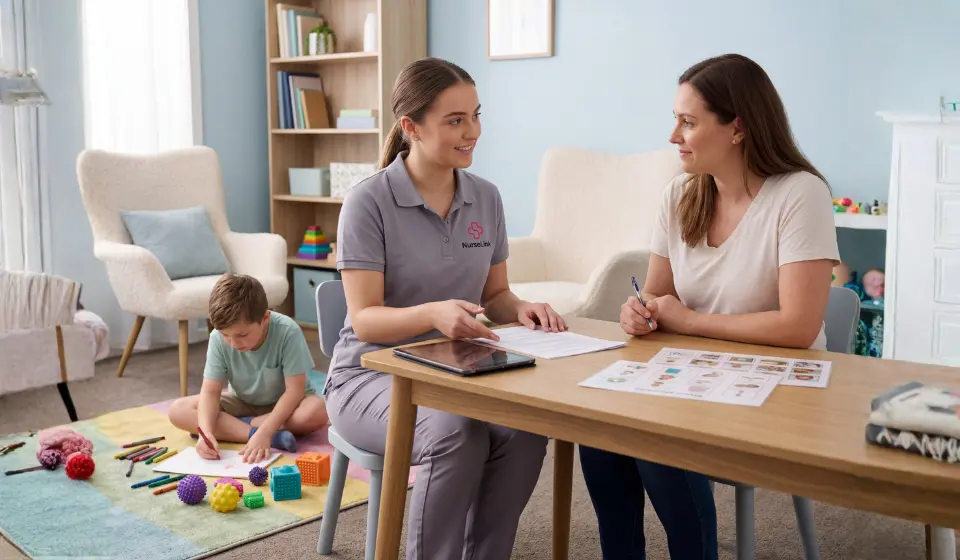
Participants work with support coordinators, families, carers, and healthcare professionals to identify goals, daily support needs, personal preferences, and future aspirations. Assessments and planning discussions help determine the type of support that may be required to maintain independence and safety.
This process may involve exploring different living environments, relationship dynamics, social support systems, and community participation opportunities. The outcome is a personalised living arrangement designed specifically around the participant’s lifestyle and wellbeing goals.
Stage 2 – ILO Supports
Once the preferred arrangement has been approved, the second stage involves implementing and maintaining ongoing supports. This may include assistance with daily tasks, social participation, personal care, transport, or capacity building activities.
Ongoing monitoring ensures the arrangement continues to meet the participant’s evolving needs. One of the key advantages of ILO is flexibility, allowing supports to be adjusted over time as circumstances, goals, or health requirements change.
The process is also guided by the NDIS ILO operational guidelines, which help ensure supports remain reasonable, appropriate, and sustainable for each participant.
Who Is Eligible For ILO Funding?
ILO funding is generally available to eligible NDIS participants who require support to live independently or safely within the community. Eligibility is assessed based on the participant’s individual circumstances, functional capacity, and long term support needs.
Participants who may benefit most from ILO are often those seeking more flexibility, autonomy, and personalised support compared to traditional accommodation models. This may include people wanting to live alone, with friends, with family, or in shared environments tailored to their preferences.
The NDIS carefully considers whether supports are considered reasonable and necessary under a participant’s plan. Evidence documentation, healthcare assessments, and planning reports often play an important role during the approval process.
- Participants must meet standard NDIS eligibility requirements.
- Functional capacity and daily support needs are assessed individually.
- NDIS planners review supporting evidence to determine suitable funding and support arrangements.
Types Of Individualised Living Arrangements
One of the strengths of ILO is the flexibility it offers. There is no single model that suits everyone, which allows participants to choose arrangements that best support their independence, comfort, and wellbeing.
Living With A Host Family
This arrangement involves living with a supportive host family who provides companionship and informal support in a family style environment. It can help participants build meaningful relationships while enjoying a stable and inclusive home setting.
For some individuals, living with a host family reduces social isolation and creates a stronger sense of belonging within the community.
Co-Residency
In a co residency arrangement, a support person lives in the same home as the participant. The support person may provide assistance with daily activities while also respecting the participant’s independence and personal space.
This model can create a balanced environment where participants receive support when needed while maintaining greater autonomy in their day to day lives.
Living With Friends Or Peers
Some participants choose to live with friends or peers in shared housing arrangements. This option promotes social inclusion, companionship, and shared responsibilities within the home.
Living with chosen housemates can also encourage confidence, routine building, and improved social engagement.
Living Alone With Tailored Supports
For participants who prefer greater privacy and independence, living alone with tailored support services may be the most suitable option. Support workers can provide assistance based on the participant’s schedule and specific needs.
This arrangement offers flexibility while still ensuring access to essential support and safety measures.
Blended Or Creative Arrangements
ILO arrangements can also combine different support models to create a more personalised solution. Some participants may use a combination of informal supports, paid support workers, family involvement, and community connections to maintain independence.
These creative arrangements demonstrate the flexibility and person centred nature of ILO supports.
Key Benefits Of ILO
ILO provides more than just support services. It helps create living environments that promote confidence, independence, and meaningful community participation. Because every arrangement is tailored to the individual, participants often experience improved emotional wellbeing and a stronger sense of control over their lives.
- Greater independence and decision making control.
- Personalised support tailored to individual goals and routines.
- Improved emotional wellbeing, confidence, and social inclusion.
- Increased opportunities for community participation and relationship building.
- Flexible support arrangements that can adapt over time.
For many individuals, ILO creates opportunities to develop life skills, strengthen social connections, and experience a higher quality of life in a way that feels empowering rather than restrictive.
Challenges & Considerations
Although ILO offers many benefits, there are also important factors to consider when planning a suitable arrangement. Finding compatible housemates, support providers, or host families can take time and careful planning. Strong communication and realistic expectations are essential to building sustainable living arrangements.
Funding approval processes may also require detailed evidence and professional assessments. Participants and families often need guidance from support coordinators or healthcare professionals to navigate planning discussions effectively.
Long term planning is another important consideration. Living arrangements should not only meet current needs but also remain adaptable as health conditions, goals, and support requirements evolve over time. Balancing independence with safety and appropriate care remains a key priority throughout the process.
Conclusion
Individualised Living Options provide a flexible and person centred approach to disability support, helping NDIS participants live with greater independence, dignity, and community connection. By tailoring living arrangements and support services to individual needs and goals, ILO can significantly improve quality of life and long term wellbeing. With the right guidance and support, participants and families can explore arrangements that promote confidence, inclusion, and stability, and providers like NurseLink Healthcare play an important role in delivering compassionate and personalised care throughout the journey.