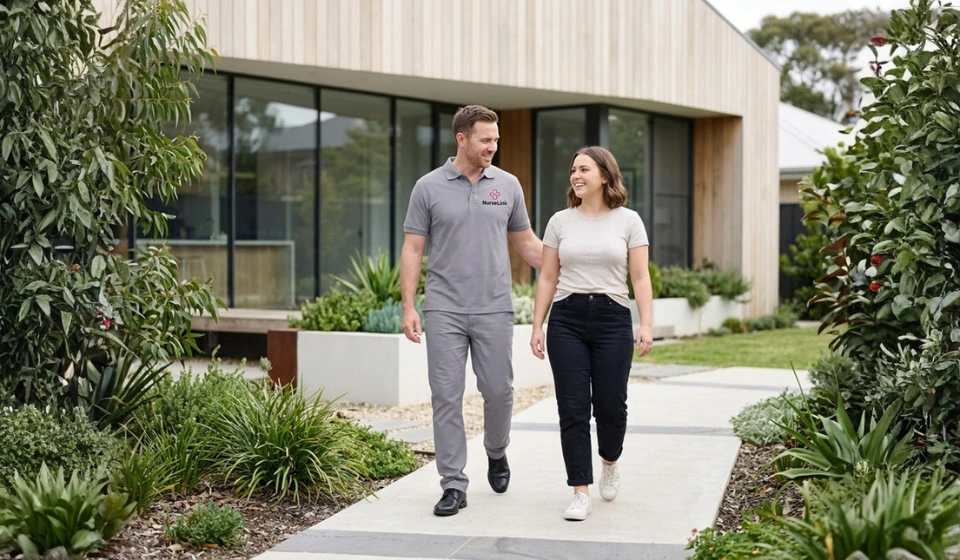
Two Years In Care. One Giant Step Toward Home.
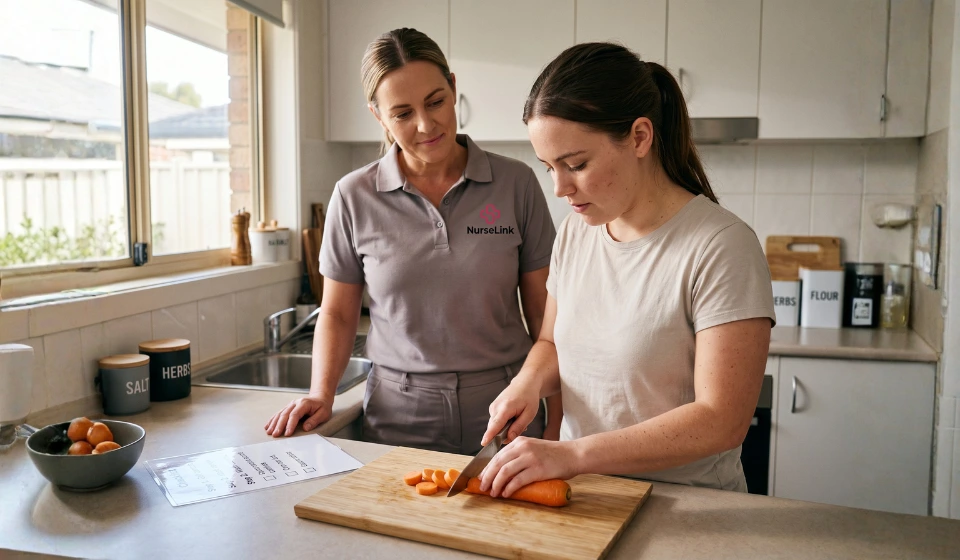
A Real-World Example Of Person-Centred Disability Support Done With Care And Patience
How NurseLink Healthcare Supported A Young Woman With An Acquired Brain Injury To Transition Into Independent Living Through The NDIS
Introduction
For most people in their mid-twenties, the move into their own home is a milestone celebrated with excitement. For a young woman recovering from a serious acquired brain injury, that same milestone carried a very different weight. It represented not just a change of address but the end of two years of full-time residential care and the beginning of something she had been told, at various points during her recovery, might never be possible.
Transitioning out of residential care into independent living is one of the most significant and complex journeys a person with a disability can undertake. The support structures that exist within a residential facility, the round-the-clock staffing, the structured routines, the immediate access to clinical oversight, do not automatically follow a person into the community. Building an equivalent level of safety and support within a private home, in a way that genuinely promotes independence rather than simply replicating institutional care, requires skill, patience and a deep commitment to the individual’s goals.
At NurseLink Healthcare, our NDIS support services are built around exactly this kind of work. This case study documents how our team supported a young woman in New South Wales through one of the most demanding transitions a person can face, and what it took to get it right. To protect the privacy of the client and her family, all identifying details have been kept confidential throughout this case study.
All names and identifying details in this case study have been changed or withheld to protect the privacy of the individual involved.
The Client's Background & Her Journey To This Point
The client is a young woman in her mid-twenties who had been living an active and independent life in regional New South Wales when her life changed suddenly during a competitive football match. A significant collision during play resulted in a severe traumatic brain injury that left her unconscious on the field. She was airlifted to a major hospital where she spent several weeks in intensive care before beginning a long and difficult period of inpatient rehabilitation.
The injury affected multiple areas of her functioning. In the immediate aftermath, she had limited mobility on her left side, significant difficulties with memory and concentration, reduced processing speed and challenges with emotional regulation that were distressing both for her and for those around her. Speech was affected in the early stages, though this improved considerably over the following months with intensive therapy.
After completing her acute rehabilitation, the client was transferred to a residential care facility that specialised in acquired brain injury support. This was the appropriate step at the time. She needed a high level of structured support, consistent clinical oversight and a safe environment in which to continue her recovery. The residential facility provided all of this, and over the course of nearly two years she made meaningful progress.
But she was also twenty-four years old. She was surrounded primarily by older residents whose circumstances and goals were very different from her own. She missed her friends. She missed the sense of having her own space and her own routine. She and her family had begun to ask questions about what a life outside the facility might look like, and whether the NDIS could help make it possible.
A review of her NDIS plan, supported by her treating team at the residential facility, identified that transitioning to supported independent living was a realistic and appropriate goal. The plan was updated to fund the support she would need to make that transition safely. NurseLink Healthcare was engaged to provide that support.
Understanding What The Transition Actually Required
Before any move could take place, our team invested significant time in understanding who the client was, what she needed and what she wanted her life to look like. These are not always the same thing, and the difference between them matters enormously in disability support.
We met with the client on multiple occasions prior to the transition, both at the residential facility and during visits to the home she would be moving into. We met with her family, who were closely involved and had strong views about what adequate support looked like after two years of watching their daughter navigate the system. We spoke at length with the key staff at the residential facility who knew her best, and we reviewed her NDIS plan, her therapy goals and her medical history in detail.
Several things became clear through this process. The client had made remarkable progress but still had genuine and significant support needs. Her short-term memory difficulties meant that routines and consistency were not simply helpful but clinically necessary. Unexpected changes to her environment or schedule could trigger significant anxiety and emotional dysregulation that took time and skilled support to resolve. Her left-sided physical limitations required ongoing attention to safety, particularly in a new and unfamiliar environment. She also had a strong and clearly expressed desire to make her own decisions, which had sometimes been in tension with the more structured approach of residential care.
The home she was moving into was a modest unit in a regional New South Wales town close to her family. It required some minor modifications before it was safe and accessible for her needs. A support schedule needed to be built that provided the coverage she required without overwhelming her with a constant staff presence she neither needed nor wanted.
From all of this, our team developed a detailed transition and support plan in collaboration with the client, her family and her NDIS support coordinator.
The NurseLink Healthcare Solution Delivered
A Carefully Staged Transition
Rather than moving the client directly from full-time residential care into her own home in a single step, NurseLink Healthcare worked with the client’s support coordinator to stage the transition over several weeks. Initial overnight stays at the new home with support staff present allowed the client to become familiar with the environment gradually. The frequency and duration of these stays increased progressively as her confidence grew and as our team developed a clearer understanding of how she managed in the new setting. By the time the formal move took place, both the client and the support team had a well-established sense of what worked and what needed attention.
Consistent Support Workers From The Start
One of the most important decisions we made early in the engagement was to assign a small, consistent team of support workers to the client rather than rotating a large pool of staff through her schedule. Given her memory difficulties and her sensitivity to change, meeting a different face every shift would have been genuinely destabilising. The same two primary support workers covered the majority of her scheduled hours in the first months, with a small number of carefully introduced secondary workers available for planned leave periods. The client knew who was coming, when they were coming and what to expect from each interaction.
Daily Living Support Built Around Her Goals
The support provided by our team covered the practical dimensions of daily living, including meal preparation, household tasks, personal care, medication prompting and transport to appointments and community activities. Critically, this support was delivered in a way that built the client’s own capacity rather than simply doing things for her. Where she could manage a task independently with prompting or guidance, that was the approach taken. Where she needed hands-on assistance, it was provided without making her feel diminished by the need for it. The distinction sounds simple but it requires genuine skill and consistency to deliver well every day.
Routine As A Clinical Tool
For a person with the client’s profile of memory and processing difficulties, a predictable daily routine is not just a lifestyle preference. It is a support mechanism that reduces cognitive load, minimises anxiety and creates a framework within which genuine independence can grow. Our team worked with the client to develop a daily and weekly routine that reflected her preferences and goals, and then maintained that routine with real consistency. Meals at similar times, familiar morning and evening sequences, regular community outings on set days. Over time, the routine became internalised and the client began managing increasing portions of it independently.
Emotional Regulation Support
The client’s difficulties with emotional regulation had been one of the more challenging aspects of her presentation throughout her recovery. Situations that created frustration, confusion or overstimulation could escalate quickly, and managing these moments required support workers who were calm, patient and skilled rather than reactive. Our team received specific briefing on the strategies that had been identified through her therapy as most effective, and these were applied consistently across all shifts. When escalations did occur, they were managed with care and documented accurately so that patterns could be identified and addressed through her ongoing therapeutic support.
Family Communication And Involvement
The client’s family had been her primary advocates throughout her recovery and remained closely involved following the transition. Our team established a clear and regular communication structure with the family, providing updates on how the client was settling in, flagging any concerns promptly and involving the family in decisions that affected her care. This transparency helped build trust between the family and our team, which was essential given how much the family had invested emotionally in seeing this transition succeed.
Outcomes & Impact
The Transition Was Completed Safely And Successfully
The client moved into her own home and has remained living there independently with NDIS support. This outcome, which had seemed uncertain at various points during her two years in residential care, was achieved without any significant incidents or setbacks during the transition period. For the client and her family, this was a profound milestone.
Her Independence Grew Steadily Over Time
In the months following the transition, the client’s capacity to manage aspects of her daily life independently increased in ways that were visible and measurable. Tasks that had initially required full support were progressively handed back to her as her confidence and capability grew. The level of funded support hours required began to reduce as her independence developed, which is precisely the outcome a well-delivered NDIS support plan is designed to achieve.
Her Emotional Wellbeing Improved Markedly
The change in the client’s emotional state following the transition was noted by her family, her treating therapists and our own support team. Living in her own space, making her own choices and reconnecting with her community had a positive effect that went beyond what structured support alone could provide. Her episodes of emotional dysregulation became less frequent and less intense over time. She began socialising more, engaging with community activities and speaking about her future with a degree of optimism that had been largely absent during her time in residential care.
The Family's Anxiety Reduced
The client’s family had approached the transition with significant apprehension. Two years of watching their daughter navigate a complex and sometimes difficult recovery had left them protective and at times fearful of what independent living might mean for her safety. As the weeks and months passed and they saw the client thriving in her own home with consistent, skilled support around her, that anxiety gave way to pride. Several family members described the transition as the moment they felt their daughter’s life had genuinely resumed.
Client Reflection
The client shared her experience several months after moving into her own home:
“I used to think I would never get to have my own place. Being in residential care was what I needed for a while but it was not my life. The NurseLink team helped me figure out how to do things my way. They were always there when I needed them but they never made me feel like I could not do things myself. Moving into my own home is the best thing that has happened to me since my injury.”
Key Takeaways From This Case Study
Transition planning must begin well before the move takes place. A staged, gradual transition that allows the client to build familiarity and confidence in the new environment produces far better outcomes than an abrupt change of setting, regardless of how ready the client appears on paper.
Consistency of support workers is a clinical consideration, not just a preference. For clients with acquired brain injury and associated memory and emotional regulation difficulties, a rotating roster of unfamiliar faces is a genuine barrier to settling and progressing. Stability in the support team directly supports stability in the client.
Independence is built through deliberate, skilled support, not through reducing assistance too quickly. The goal of supported independent living is to grow capacity over time. Achieving this requires support workers who know how to hand tasks back to the client progressively and respectfully, rather than simply doing things for them or stepping back before the client is ready.
The family is part of the support environment. Their confidence in the arrangement, their trust in the support team and their own emotional state all affect the quality of the environment surrounding the client. Investing in the family relationship is investing in the client’s outcomes.
Conclusion
Acquired brain injury does not follow a predictable path, and neither does the journey back to independent living. For a young woman who had spent two years in residential care following a sporting injury that changed the course of her life, the move into her own home was not simply a housing transition. It was the reclaiming of a future she had been told might not be available to her.
At NurseLink Healthcare, we are privileged to be part of journeys like this one. Our NDIS support services are built around the individual, their goals and their right to live a life that is genuinely their own. We bring the skills, the consistency and the patience that complex transitions require, and we stay the course for as long as the person needs us.
If you or someone you support is navigating a transition into independent living and needs a provider who will take that responsibility seriously, reach out to the NurseLink Healthcare team. We would welcome the conversation.
Latest Post
When Parents Learned to Trust NDIS Support
The Life He Thought The Accident Had Collapsed
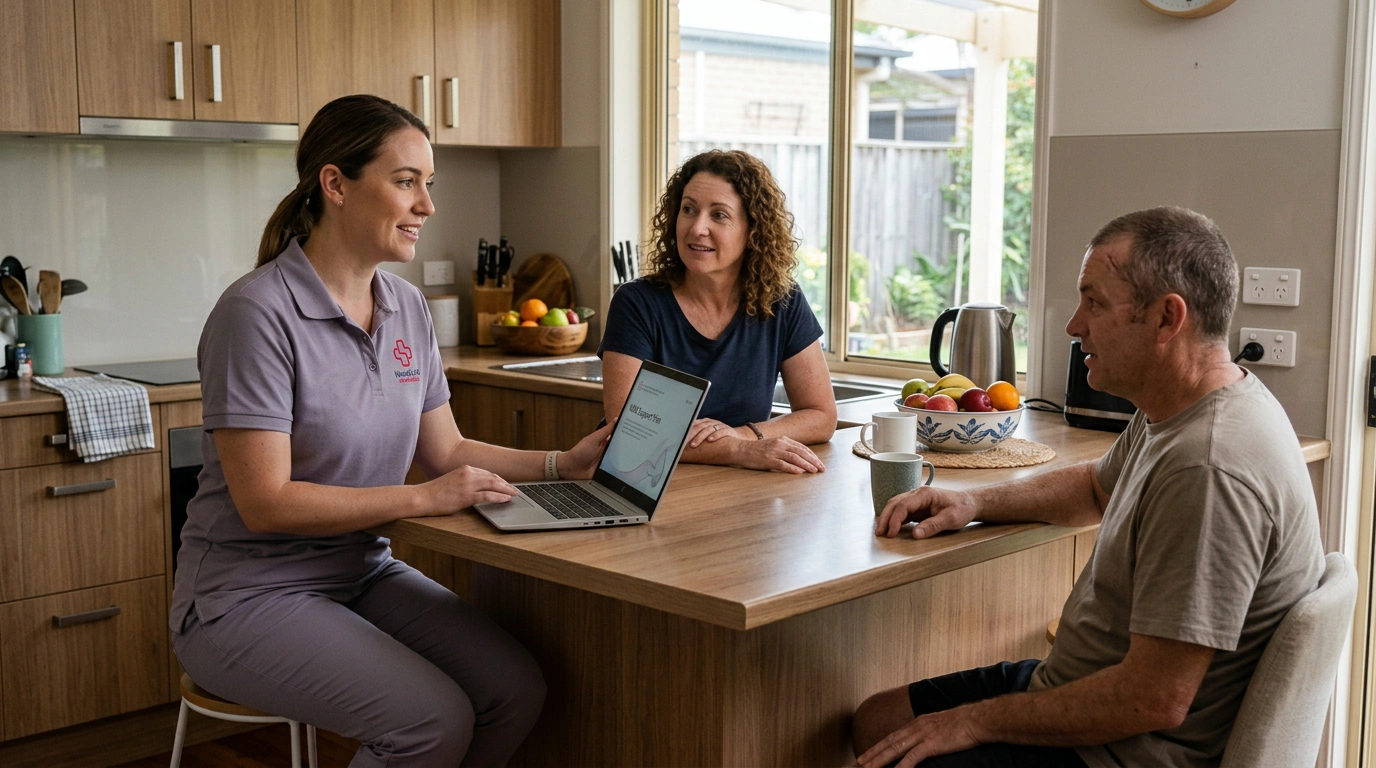
Someone Finally Holding The Whole Picture
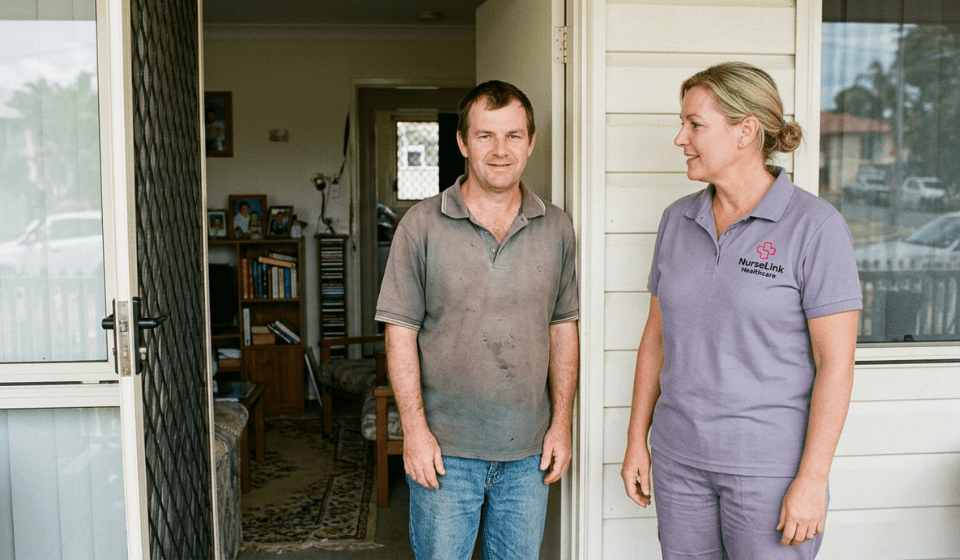
A Home That Was Finally His Own
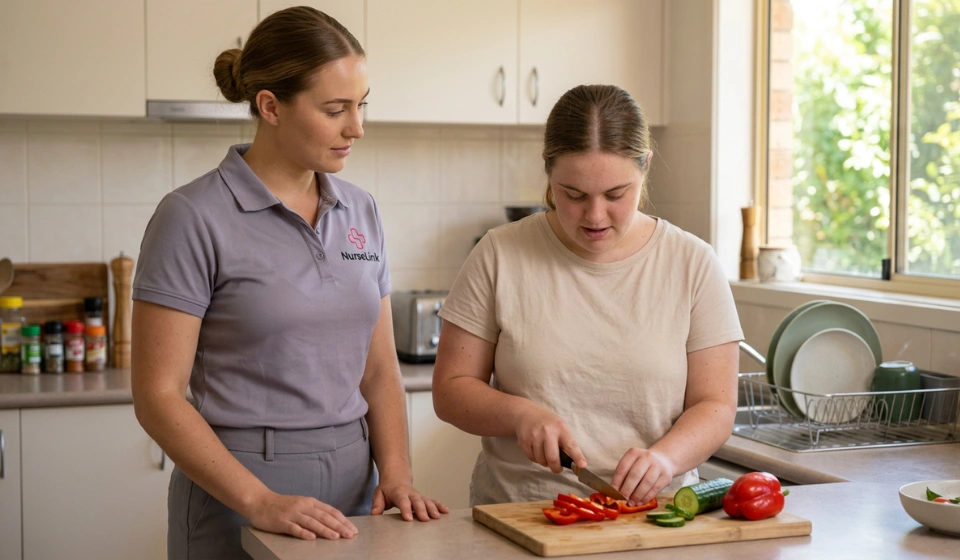
Learning To Do It Herself, With Someone Beside Her
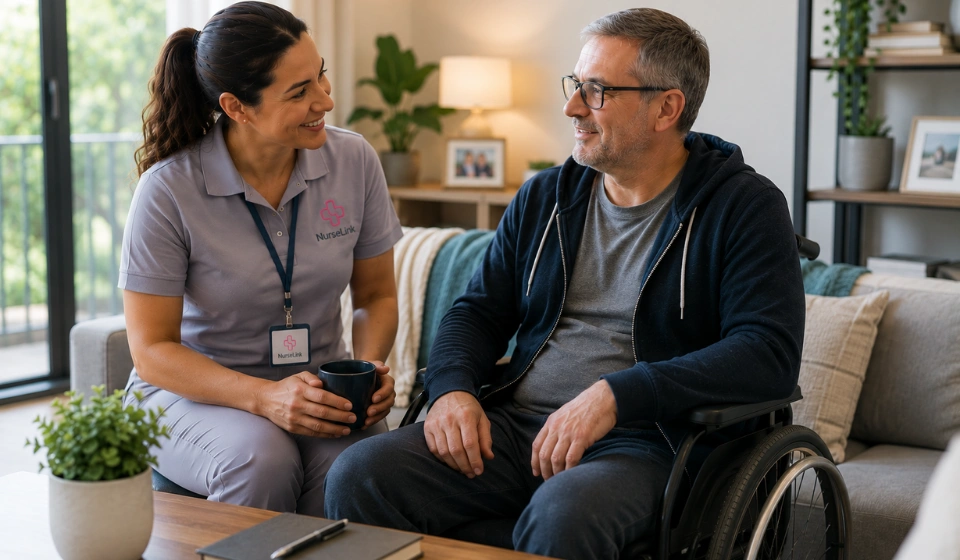
What Was Still Possible
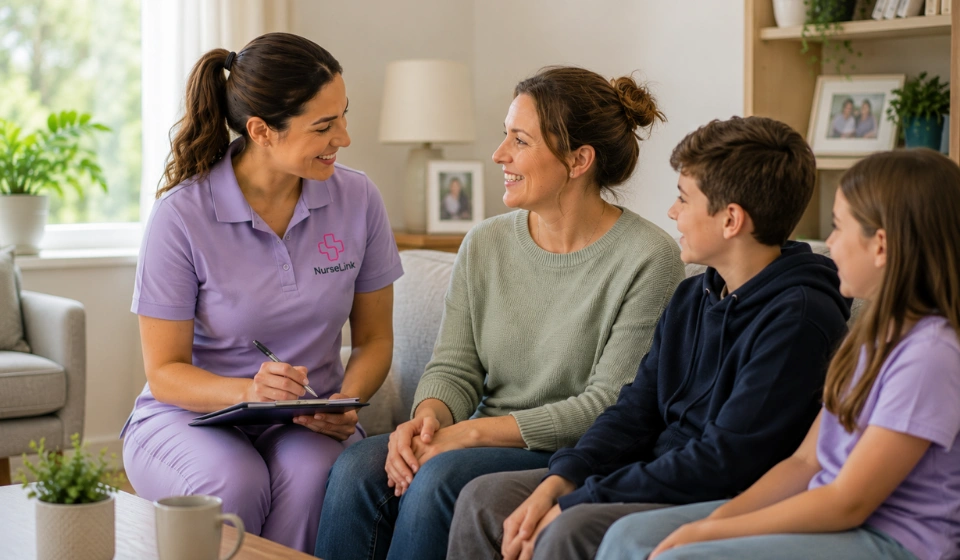
Finding Her Way Back To Her Own Kitchen Table
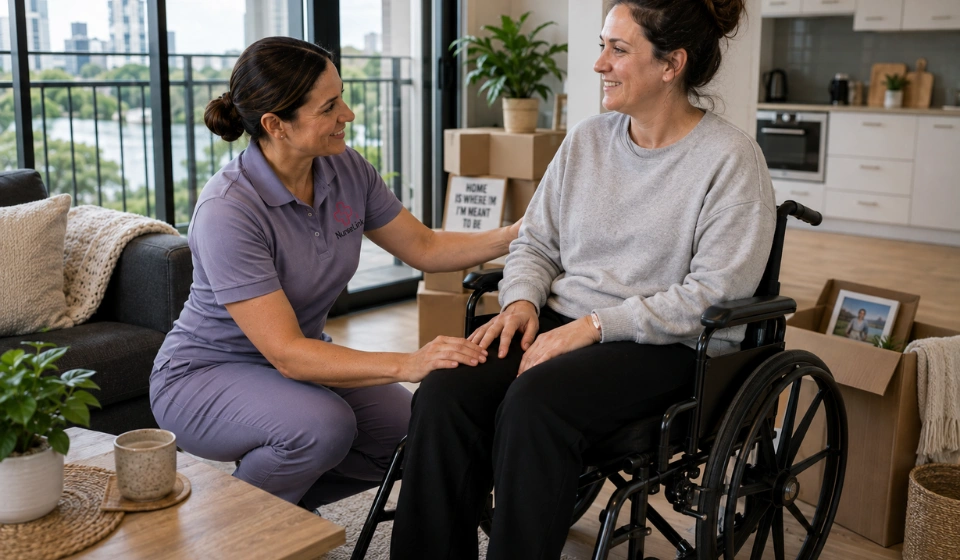
From Aged Care To Her Own Front Door
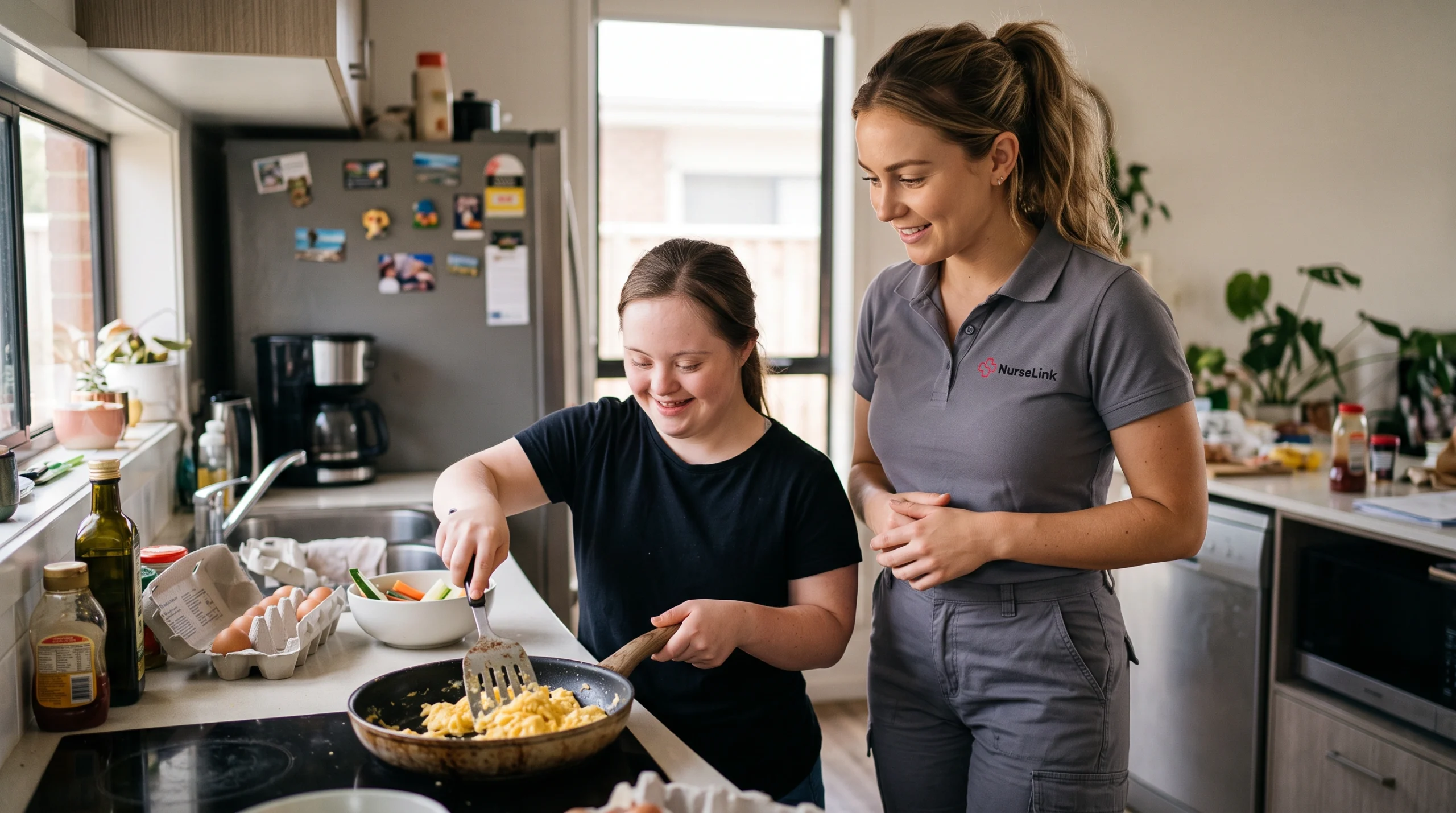
She Was Ready. We Helped Her Get There.
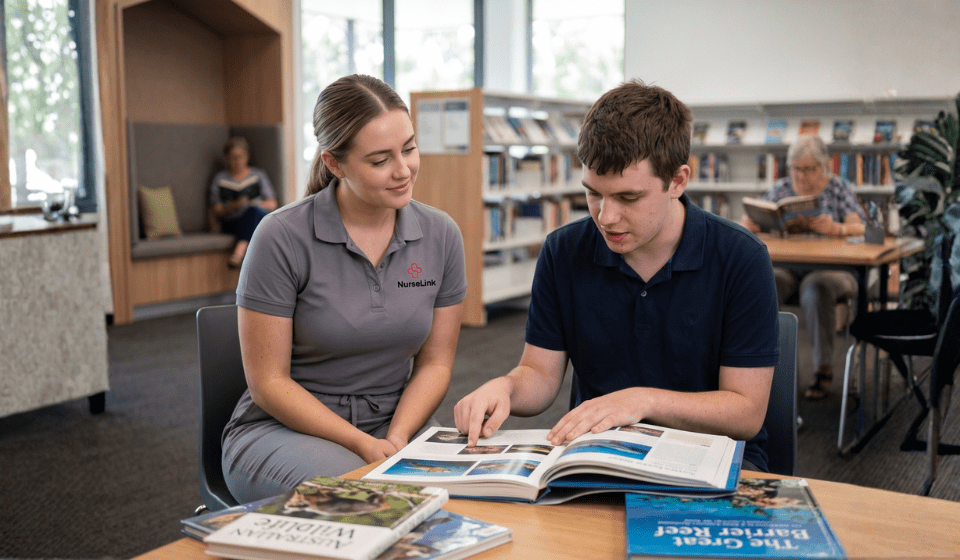
Room To Breathe
The Man He Was Getting Back To
They Did Not Give Up On Him
Returning To Community Life
Rebuilding Independence After A Diabetes-Related Amputation
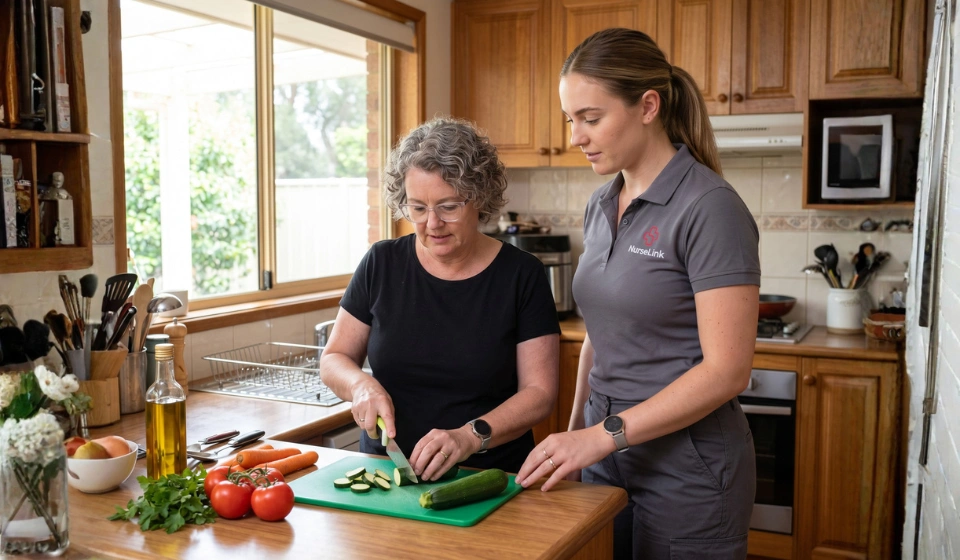
Cooking By Heart
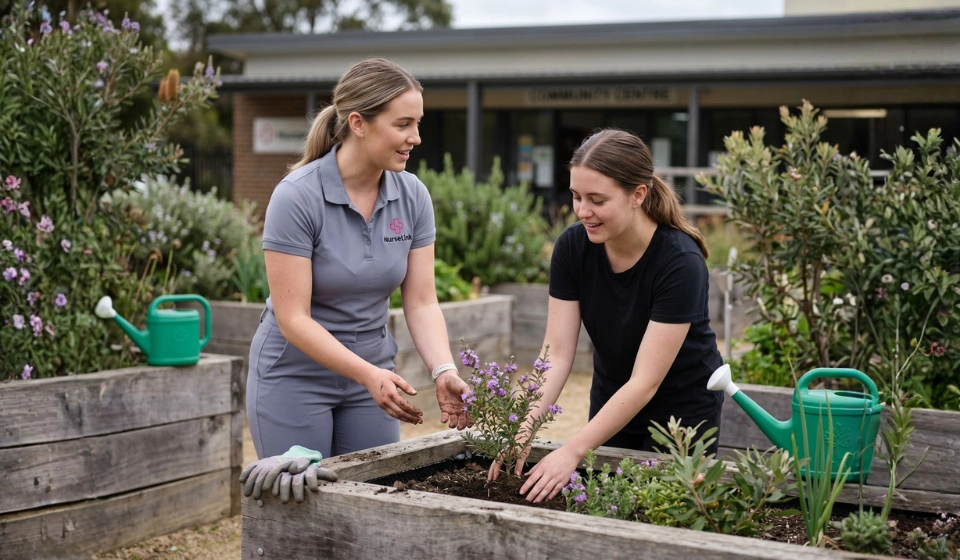
The World Beyond The Front Door
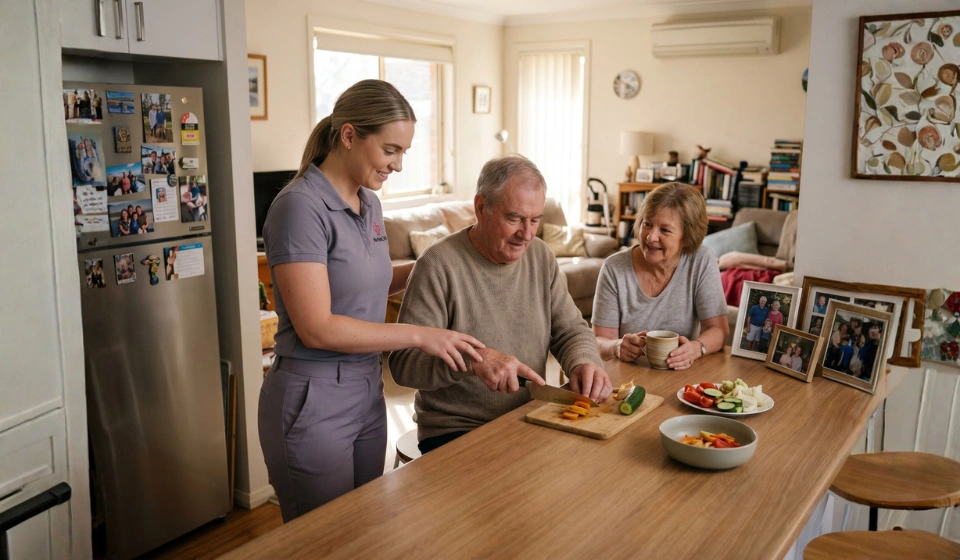
Finding Home Again After A Stroke
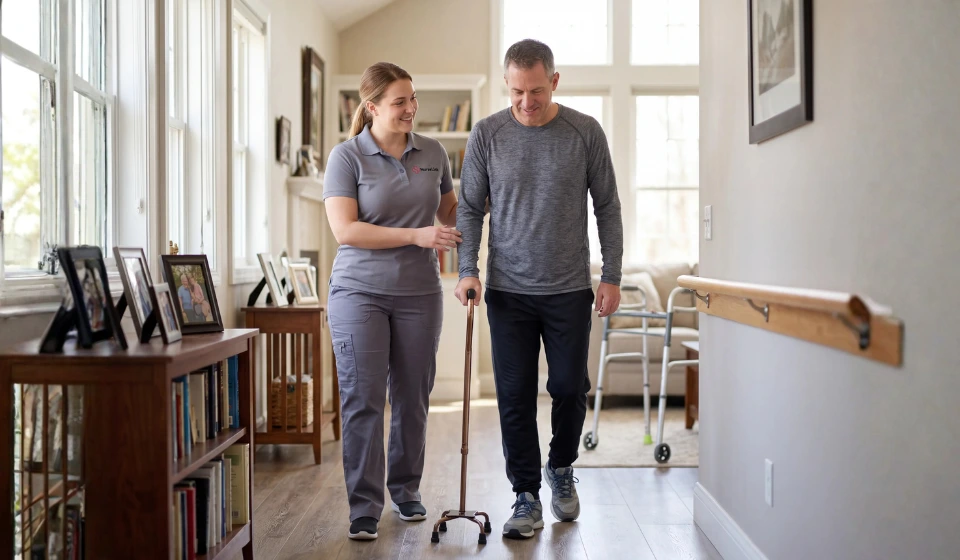
Relearning Independence After A Life-Changing Accident
Beyond The Diagnosis
Two Years In Care. One Giant Step Toward Home.
When Transport Barriers Disrupted NDIS Care

Supported Independent Living Success
A Journey Towards Independence With NDIS Support

Daniel’s Journey