For many people living with disability or complex support needs, behaviour is often misunderstood. What looks like a challenging moment on the surface is usually a form of communication, a response to an unmet need, discomfort, or an environment that isn’t working for them. This is where Positive Behaviour Support (PBS) comes in. Rather than trying to control or suppress behaviour, PBS looks at the reasons behind it and builds strategies that genuinely improve a person’s quality of life. It’s an approach grounded in respect, evidence, and collaboration, and it has become a cornerstone of good disability and NDIS support across Australia. In this article, we’ll walk through what PBS actually means, why it matters so much for wellbeing and independence, and the seven core principles that guide effective, person-centred behaviour support.
What Is Positive Behaviour Support?
At its core, the positive behaviour support meaning centres on understanding a person rather than managing their behaviour from the outside in. It’s an evidence-based, person-centred framework that looks beneath the surface of behaviours of concern to figure out what’s actually driving them. Instead of reacting to an incident after it happens, practitioners work to understand the function of the behaviour, what the person is trying to communicate or achieve, and what might be triggering it.
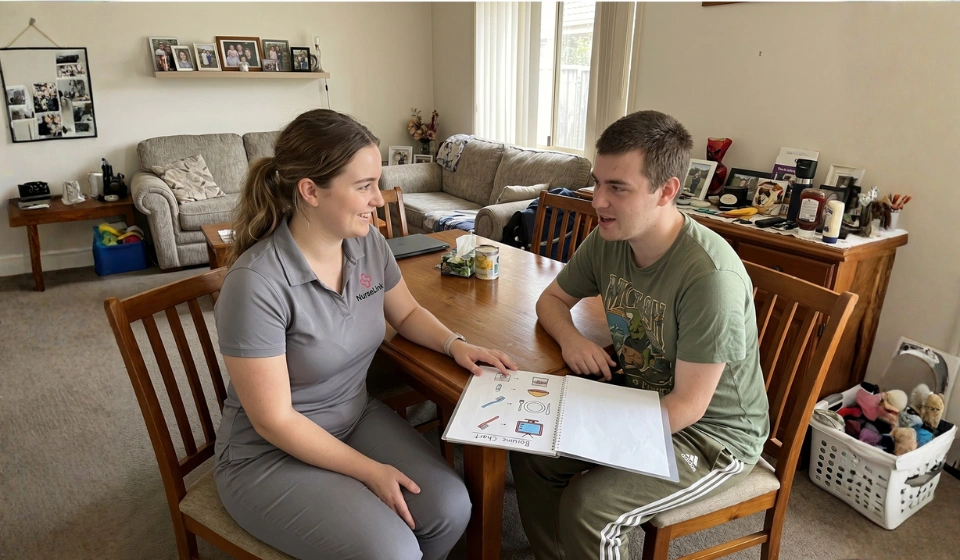
This process usually involves a functional behaviour assessment, which then informs a Behaviour Support Plan. This plan sets out practical, individualised strategies that support workers, families, and carers can apply consistently. It isn’t a generic document; it’s built around the person’s history, environment, communication style, and goals. Within the NDIS, behaviour support plans are a recognised and often essential part of a participant’s broader plan, helping align day to day support with longer term goals around independence, safety, and dignity. Done well, PBS doesn’t just reduce difficult moments, it genuinely improves how someone experiences their daily life.
Why Is Positive Behaviour Support Important?
The value of PBS becomes clear once you see it in action. When support is built around understanding rather than control, participants tend to feel calmer, more secure, and more in charge of their own lives. Wellbeing improves because needs are being met rather than ignored or misread.
PBS also plays a significant role in promoting independence and inclusion. By teaching new skills and building on existing strengths, participants are better equipped to take part in community life, form relationships, and make choices for themselves. Just as importantly, a well-implemented PBS approach reduces reliance on restrictive practices, which should always be a last resort and only used when absolutely necessary. Finally, PBS encourages positive skill development over time, helping participants build the tools they need to navigate everyday challenges more confidently and with less support intervention required.
The 7 Principles Of Positive Behaviour Support
While every Behaviour Support Plan looks different, they’re all guided by the same underlying framework. Here are the seven principles that shape effective, ethical, and lasting positive behaviour support.
1. Person-Centred Approach
Everything starts with the individual. A genuinely effective plan is built around the participant’s own goals, strengths, preferences, and needs, not a generic template applied across the board. This means actively involving the person in decisions about their own support wherever possible, encouraging choice, independence, and meaningful participation rather than support that simply happens to them.
2. Respect For Human Rights & Dignity
PBS is grounded in the belief that every person deserves to be treated with dignity, fairness, and equal opportunity. This principle places a strong emphasis on minimising restrictive practices wherever they can safely be avoided, and ensures that support strategies never come at the cost of a person’s basic rights or self-respect.
3. Understanding The Function Of Behaviour
Rather than asking “how do we stop this behaviour,” PBS asks “why is this happening in the first place.” Practitioners use functional behaviour assessments to explore what a behaviour is communicating, whether that’s pain, frustration, sensory overload, or an unmet need, so that support can address the actual cause rather than just the symptom.
4. Proactive & Preventative Support
Good PBS looks ahead rather than reacting after the fact. This involves identifying triggers early and adjusting environments, routines, and daily structures to prevent behaviours of concern before they arise. Prevention is almost always more effective, and far less distressing for everyone involved, than managing a crisis after it’s already underway.
5. Skill Development & Capacity Building
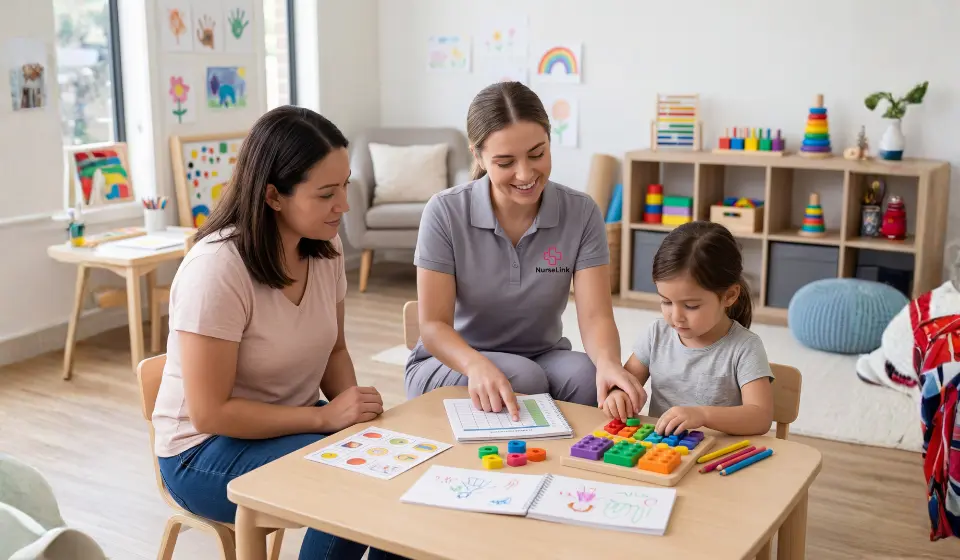
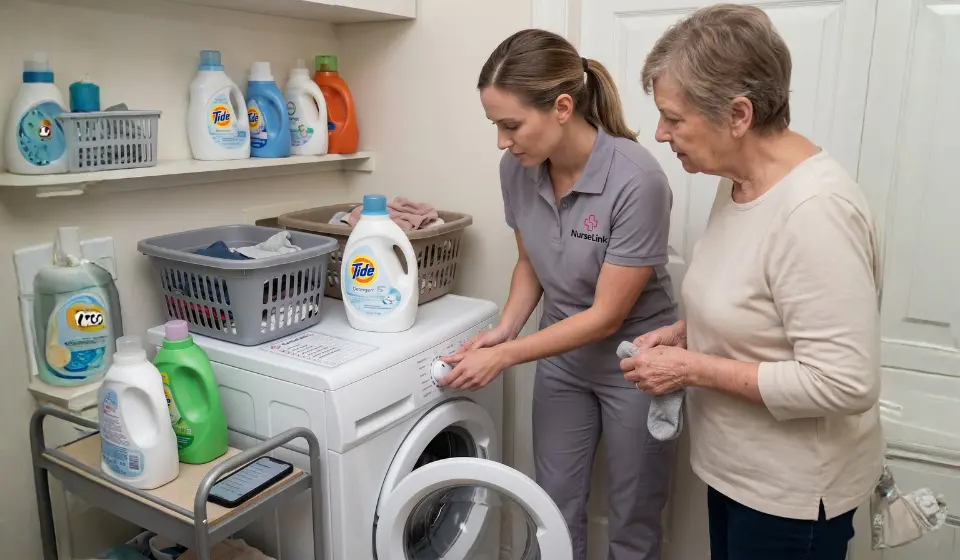
A major part of PBS is teaching new skills, particularly around communication, emotional regulation, and daily living. When someone has better tools to express frustration, ask for help, or manage overwhelming situations, they’re far less likely to rely on behaviours of concern. Over time, this shifts the focus from managing incidents to building genuine capacity and confidence.
6. Collaboration With Families & Support Networks
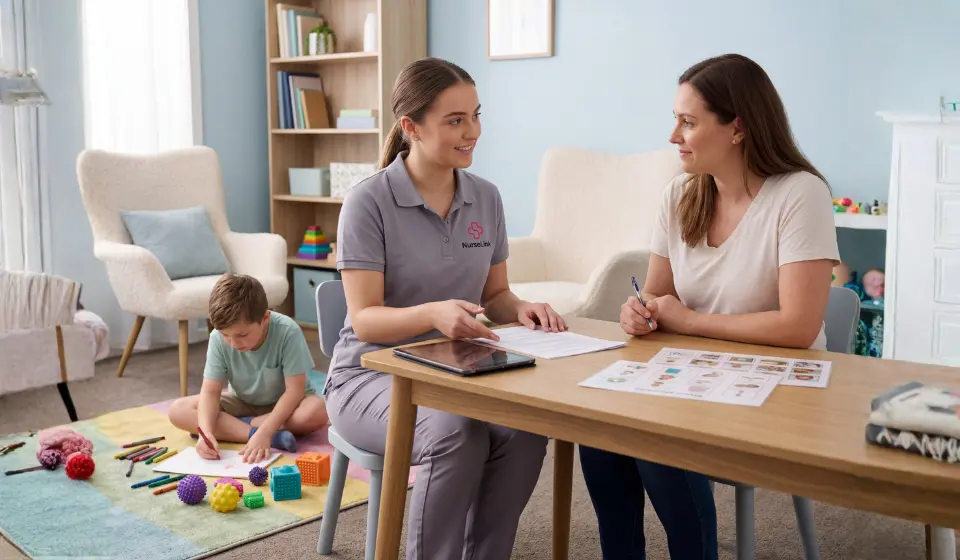
No Behaviour Support Plan works in isolation. Practitioners need to work closely with families, carers, allied health professionals, and support workers to make sure strategies are realistic, consistent, and actually reflect how the person lives day to day. When everyone involved understands and applies the same approach, participants experience far more stability and predictability.
7. Continuous Monitoring & Review
People change, and so do their needs. Effective PBS involves regularly reviewing how well strategies are working and making adjustments as circumstances shift. A plan that was right six months ago might need refining today, and ongoing evaluation ensures support stays relevant and effective over time.
Benefits Of Positive Behaviour Support For Participants & Families
The benefits of positive behaviour support extend well beyond the participant themselves, reaching families, carers, and the wider support network.
Benefits For Participants
Participants generally experience an improved quality of life, with stronger communication and social skills, greater independence, and more genuine participation in community activities. Over time, behaviours of concern tend to reduce as underlying needs are better understood and addressed.
Benefits For Families & Carers
Families and carers often notice reduced stress and caregiver burden once consistent strategies are in place. Relationships within the family tend to improve as everyone gains a clearer understanding of why certain behaviours occur. Having reliable, consistent support strategies also builds confidence in managing challenging situations, rather than feeling caught off guard each time.
Common Challenges In Implementing PBS
Positive behaviour support isn’t without its challenges. Behaviour is rarely caused by just one thing, so functional assessments take genuine time and expertise to get right. Different carers or support workers may apply strategies slightly differently unless there’s clear communication and training, and consistency across everyone involved is essential for the plan to actually work. On top of this, finding providers with real experience in behaviour support can be difficult, and the quality of outcomes often comes down to the skill and judgement of the practitioner involved.
Choosing The Right Positive Behaviour Support Provider
Given how much the quality of PBS depends on the people delivering it, choosing the right provider matters enormously. Look for practitioners with genuine experience and recognised positive behaviour support qualification, along with a solid understanding of NDIS behaviour support requirements. Plans should always be tailored to the participant’s individual needs and goals rather than following a one-size-fits-all template, and a good provider will actively involve families and multidisciplinary teams throughout the process.
This is where NurseLink Healthcare makes a genuine difference. With experienced practitioners and a person-centred philosophy at the heart of everything they do, NurseLink Healthcare works closely with participants, families, and allied health professionals to design behaviour support strategies that are practical, respectful, and built around real outcomes, not just paperwork.
Key Takeaways
Positive behaviour support is built on seven interconnected principles: a person-centred approach, respect for human rights and dignity, understanding the function of behaviour, proactive and preventative support, skill development and capacity building, collaboration with families and support networks, and continuous monitoring and review. Together, these principles form an approach that is proactive, evidence-based, and genuinely centred on the person receiving support. Collaboration and ongoing review are what keep a plan effective over time, and choosing an experienced, qualified provider is key to achieving positive, sustainable outcomes for participants and their families alike.