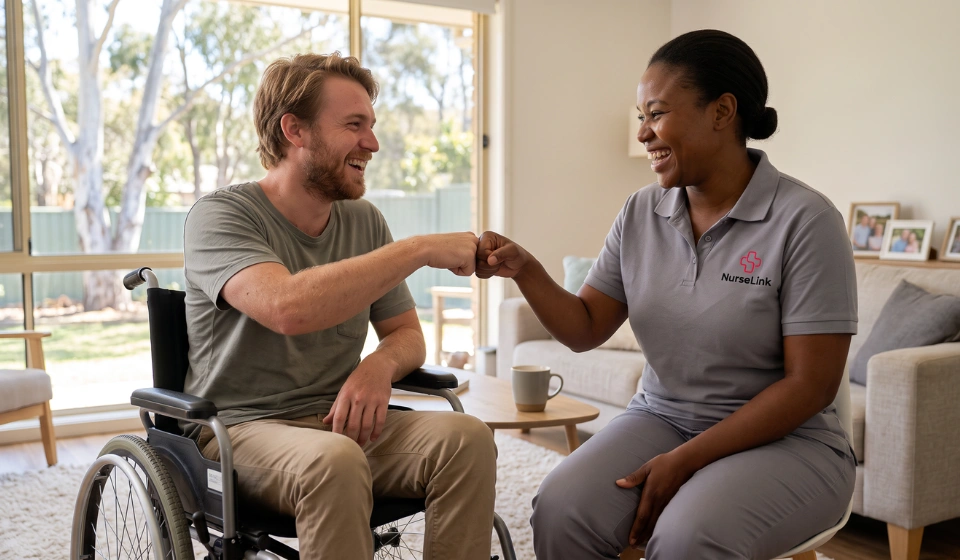
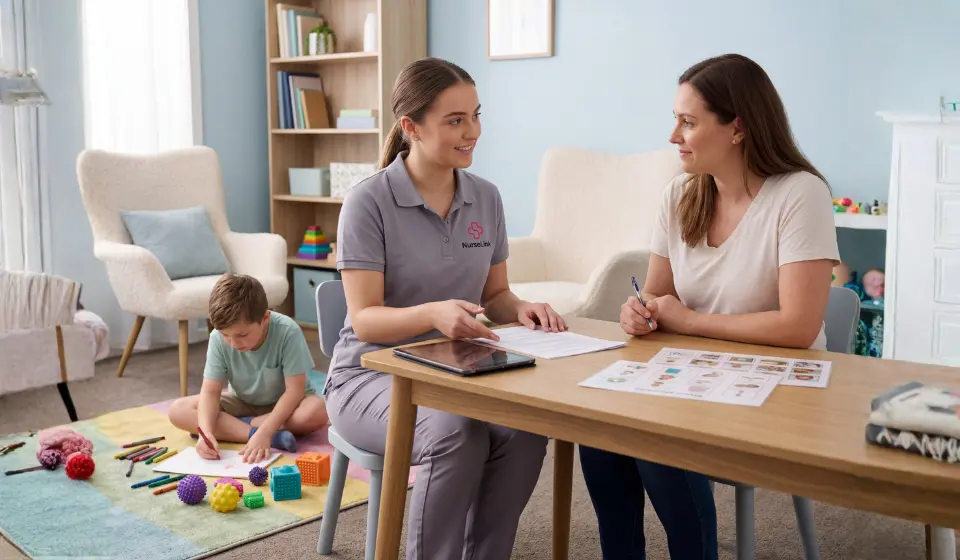
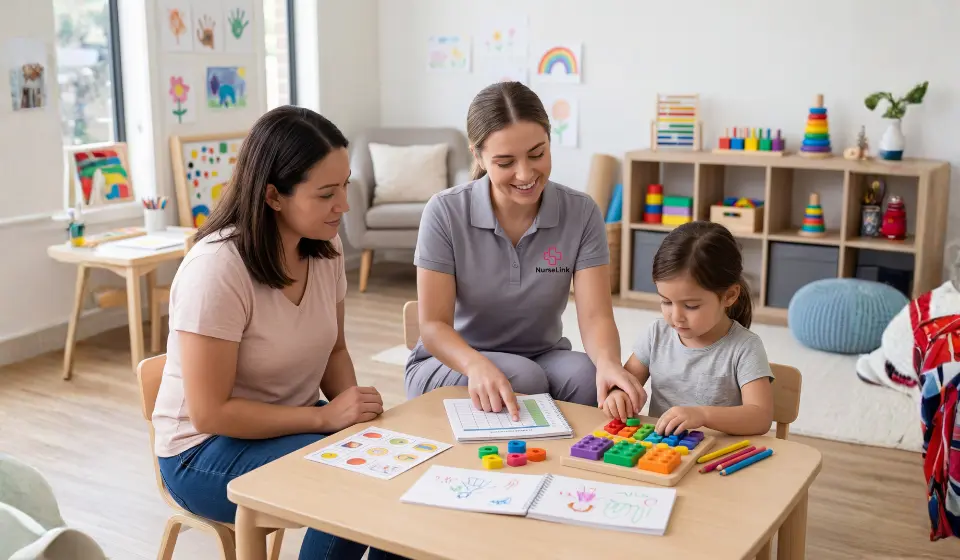
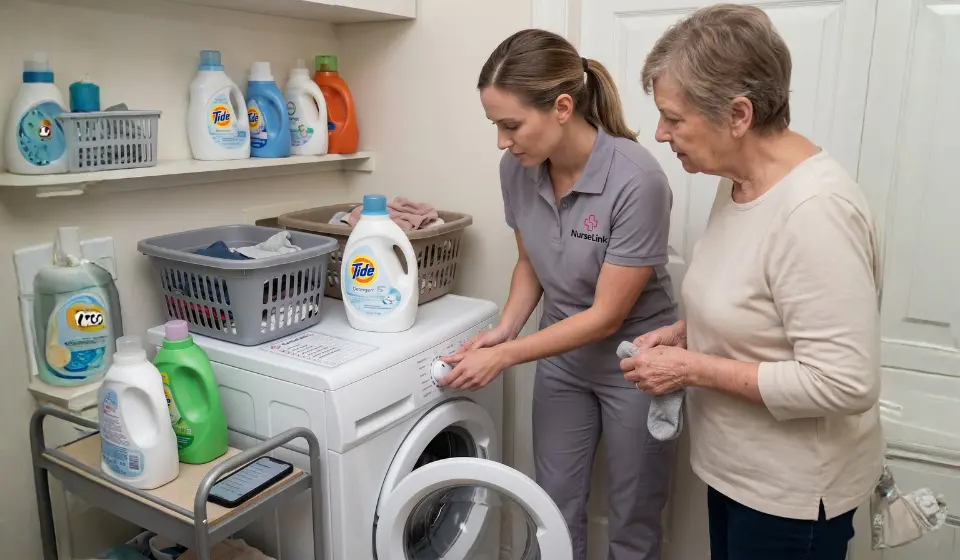
Empowerment means creating opportunities for people with disabilities to make choices, express their preferences, develop their abilities and participate in everyday life on their own terms. It is not about making decisions for someone or assuming what is best for them. Instead, it involves providing the right support, information, resources and encouragement so individuals can take an active role in decisions that affect their lives.
Empowerment is also a shared responsibility. Individuals, families, carers, support workers, educators, employers, healthcare professionals and communities all have a role to play in creating environments where people with disabilities can participate equally. Small changes in communication, accessibility and attitudes can make a meaningful difference to someone’s confidence and independence. This guide explores eight practical approaches to empowering people with disabilities, from encouraging independence and education to improving healthcare access, employment opportunities and community participation.
Why Empowerment Matters For People With Disabilities
Empowerment can have a direct influence on quality of life and emotional wellbeing. When people have greater control over their routines, goals and decisions, they may feel more confident in expressing their preferences and taking part in activities that are meaningful to them. Having opportunities to make choices can also support a stronger sense of identity, purpose and personal achievement.
Empowerment is closely connected to independence and self-determination. While some individuals may require ongoing assistance, receiving support does not mean losing the ability to make decisions. Providing appropriate choices and respecting individual preferences can help people take greater ownership of their lives. At a broader level, empowerment also challenges assumptions and stigma surrounding disability. When communities remove barriers and promote equal participation, people with disabilities are better positioned to contribute to education, employment, social activities and community life.
8 Simple Ways Of Empowerment
Empowerment does not always require major changes. Practical support, respectful communication and greater access to opportunities can gradually create more independence and participation. Here are eight ways families, carers, support workers and communities can contribute.
1. Encourage Independence In Daily Life
Supporting independence starts with everyday activities. Rather than automatically completing tasks for someone, consider what they can do independently and where assistance is genuinely needed. Self-care, meal preparation, household routines, shopping and personal organisation can all provide opportunities to practise skills and make decisions.
Assistive tools and adaptive techniques can make everyday tasks easier without removing the individual’s involvement. Depending on personal needs, these may include mobility aids, communication devices, adapted kitchen equipment or technology designed to support organisation and accessibility. The goal is to provide enough assistance to make participation possible while allowing individuals to retain control wherever practical.
Decision-making should also be encouraged. Simple choices about meals, clothing, activities, schedules and personal goals can reinforce the idea that an individual’s preferences matter. Over time, these everyday decisions can help build confidence for more complex choices.
2. Promote Inclusive Education
Education can open pathways to independence, employment and social participation. People with disabilities should have access to educational environments that match their abilities, interests and learning goals. Depending on individual circumstances, this may include mainstream education, specialised education programs, vocational training or other learning opportunities.
Individualised learning plans can help educators identify appropriate goals, teaching approaches and adjustments. Additional support staff, accessible learning materials and assistive technology may also help remove barriers to participation.
An inclusive educational environment should focus on potential rather than limitations. Giving students opportunities to participate in classroom discussions, projects, extracurricular activities and decision-making can help them develop confidence alongside academic and practical skills.
3. Support Employment Opportunities
Employment can provide more than financial independence. A suitable job can offer structure, social connection, confidence, professional development and a stronger sense of contribution. For this reason, people with disabilities should have meaningful opportunities to explore employment based on their interests, skills and goals.
Skills training and job placement programs can help individuals prepare for employment and identify suitable roles. Training may focus on technical abilities, communication, workplace routines, interview preparation or other skills relevant to a particular industry.
Employers also have an important role to play. Inclusive hiring practices can involve accessible recruitment processes, reasonable workplace adjustments and a willingness to evaluate candidates based on their capabilities. Creating supportive workplaces benefits employees while also helping organisations access a wider range of skills and perspectives.
4. Improve Access To Healthcare Services
Access to appropriate healthcare is an important part of maintaining independence and quality of life. Regular checkups, preventive care and timely treatment can help identify health concerns early and support ongoing wellbeing. Some individuals may also require specialised services, allied health support, rehabilitation or other forms of care.
However, healthcare access can sometimes involve practical barriers. Transport difficulties, inaccessible facilities, communication challenges, appointment systems and a lack of suitable information can make services harder to access.
Families, carers and healthcare providers can help by identifying these barriers and finding practical solutions. Accessible communication, appropriate transport arrangements, suitable facilities and personalised care approaches can make healthcare experiences more comfortable and effective. Supporting individuals to understand their healthcare choices can also encourage greater involvement in their own care.
5. Build Social Inclusion & Community Participation
Social connection is an important part of wellbeing. People with disabilities should have opportunities to develop friendships, participate in community groups and attend events based on their interests. This could include sporting programs, creative groups, social clubs, volunteering, recreational activities or local community events.
Community participation becomes easier when public spaces are genuinely accessible. Accessible entrances, pathways, bathrooms, seating, transport options and clear information can help more people participate comfortably.
It is equally important to consider social accessibility. People should be welcomed, listened to and included rather than simply accommodated physically. Encouraging genuine interaction can help reduce isolation and create stronger connections between people with and without disabilities.
6. Advocate For Accessibility & Rights
Understanding the rights of people with disabilities can help individuals and their supporters recognise when barriers need to be addressed. Access to education, employment, healthcare, community participation and appropriate services are important areas where people may need information or advocacy.
Families, carers and support workers can contribute by helping individuals understand their options and communicate their preferences. Advocacy may involve requesting reasonable adjustments, raising accessibility concerns or seeking information about available support.
At a broader level, communities can support policy changes and accessible infrastructure. Better public transport, accessible buildings, inclusive communication and thoughtful urban planning can make everyday environments more usable for everyone. Advocacy is most effective when people with disabilities are included in conversations about the changes that affect them.
7. Foster Confidence Through Skill-Building
Confidence often grows through experience. Providing opportunities to learn practical skills can help individuals discover what they are capable of and identify areas where they would like to develop further.
Life skills workshops may cover areas such as budgeting, cooking, communication, travel planning, household management or personal organisation. Vocational training can provide opportunities to develop employment-related abilities and explore potential career pathways.
Achievements should also be recognised, regardless of their size. Completing a new task, learning a new skill, participating in a group or reaching a personal goal can represent meaningful progress. Celebrating these achievements can reinforce confidence without creating pressure to meet someone else’s definition of success.
8. Encourage Family & Caregiver Support
Families and caregivers can provide an important foundation for empowerment. Consistent encouragement, respectful communication and practical assistance can help individuals feel secure while developing greater independence.
Caregivers also need appropriate resources and opportunities to rest. Respite services, education, support groups and practical resources can help reduce pressure and support sustainable caregiving. When caregivers have adequate support themselves, they may be better positioned to provide patient and consistent assistance.
A strong support network can extend beyond the immediate household. Friends, healthcare professionals, educators, community organisations and support workers can all contribute different forms of knowledge and assistance. The best approach to how to support people with disabilities is therefore collaborative, with the individual remaining at the centre of decisions about their own life.
Key Takeaways
Empowerment can be supported through eight practical approaches: encouraging independence, promoting inclusive education, creating employment opportunities, improving healthcare access, building social inclusion, advocating for accessibility and rights, developing practical skills, and strengthening family and caregiver support. Empowerment is not a one-time action but an ongoing, collective effort that should reflect each person’s goals, preferences and abilities. By listening, removing barriers and providing opportunities rather than making assumptions, families, professionals and communities can help people with disabilities take greater control of their lives and participate more fully in society.