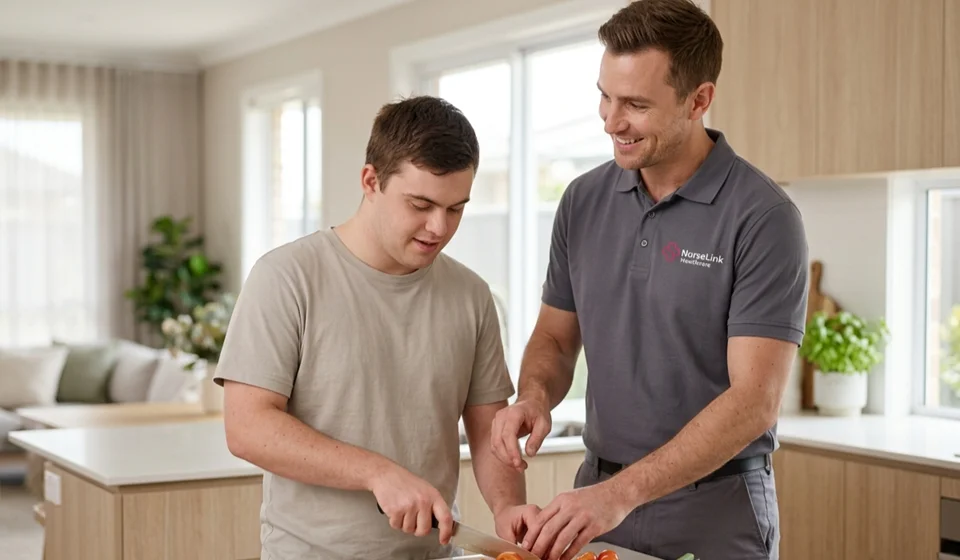
Living with a disability can present unique challenges, but it does not define a person’s potential, aspirations, or ability to lead a meaningful life. Quality of life extends far beyond physical health and includes emotional wellbeing, social connections, independence, and the ability to participate in everyday activities. With the right support, resources, and mindset, individuals can overcome obstacles and continue pursuing their personal goals. This guide explores practical strategies for improving wellbeing, building independence, accessing support, and creating a fulfilling life while living with a disability.
Thriving Through Life's Challenges
Every person’s experience of disability is different. Some individuals are born with a disability, while others acquire one through illness, injury, or changing health conditions. The challenges faced can vary significantly depending on personal circumstances, support systems, and individual goals. Understanding that there is no single approach to success is an important first step towards building confidence and resilience.
For many people, learning to adapt to changing circumstances takes time. However, with access to appropriate supports, community connections, and professional guidance, individuals can continue to develop skills, achieve goals, and maintain a strong sense of independence. Rather than focusing solely on limitations, many people find greater success by identifying opportunities, strengths, and areas where they can continue to grow.
- Recognise that every disability journey is unique and requires personalised approaches and solutions.
- Build resilience by seeking support, developing problem-solving skills, and maintaining a positive outlook.
- Focus on opportunities, abilities, and personal achievements rather than perceived limitations.
Key Ways To Improve Quality Of Life
Improving quality of life often involves making small but meaningful changes that support greater independence, wellbeing, and participation in daily activities. While the path may look different for each individual, several key areas can help create a stronger foundation for long-term success.
Adapting To New Circumstances
Adjusting to life with a disability often involves learning new ways of completing everyday tasks and managing changing circumstances. Whether the disability is newly acquired or lifelong, adaptation is an ongoing process that evolves.
Developing practical coping strategies can make daily challenges easier to manage. Assistive technology, mobility aids, communication devices, and home modifications often play a valuable role in supporting independence. When adjustments become overwhelming, seeking guidance from healthcare professionals, therapists, or support workers can help individuals find effective solutions and regain confidence.
Focusing On What You Do Best
One of the most empowering aspects of personal growth is recognising individual strengths and abilities. While challenges may exist, every person has unique talents, interests, and capabilities that deserve attention and development.
Participating in meaningful activities such as hobbies, education, volunteering, employment, or community involvement can strengthen confidence and create a sense of purpose. Celebrating achievements, regardless of size, helps reinforce positive progress and encourages continued growth. For many individuals, focusing on strengths becomes an important part of both coping with a disability and maintaining long-term motivation.
Taking Charge Of Your Everyday Routine
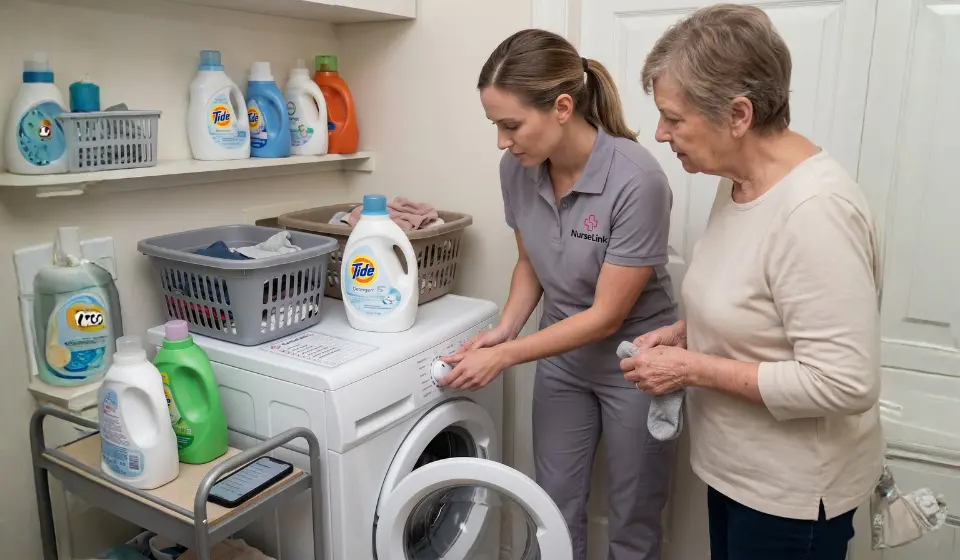
Daily routines provide structure, stability, and predictability. Establishing healthy habits can help individuals manage responsibilities more effectively while improving overall wellbeing.
Creating routines around personal care, exercise, meal preparation, appointments, medication management, and household responsibilities can increase independence and reduce stress. Support workers, carers, and assistive technologies may also assist with maintaining consistency where needed. For t
ose interested in living independently with a disability, a well-organised routine often becomes a key component of success.
Working Towards Meaningful Goals
Setting goals provides direction and purpose. Whether the objective is to improve mobility, gain employment, participate more actively in the community, or learn new skills, having clear goals can create motivation and focus.
Successful goal setting involves breaking larger ambitions into manageable steps. Short-term milestones help maintain momentum and make progress easier to measure. Setbacks may occur along the way, but they should be viewed as opportunities for learning rather than reasons to stop. Support plans, healthcare professionals, and disability support providers can all assist with developing realistic pathways towards achieving personal goals.
Prioritising Emotional And Mental Health
Physical wellbeing is only one aspect of living a healthy life. Emotional and mental wellbeing are equally important, particularly when managing the challenges that may accompany disability.
Stress, anxiety, frustration, and social isolation can affect people at different stages of their journey. Building strong relationships with family, friends, carers, and community members can provide valuable emotional support. Professional counselling, therapy services, peer support groups, and community programs may also help individuals develop coping skills and maintain positive mental health.
Many people exploring how to live with a disability discover that prioritising emotional wellbeing significantly improves their overall quality of life and ability to navigate daily challenges.
Creating A Safe And Supportive Living Environment
The home environment has a significant impact on comfort, safety, and independence. Accessible living spaces can make everyday tasks easier and reduce barriers that may otherwise limit participation in daily activities.
Home modifications such as ramps, handrails, widened doorways, accessible bathrooms, and specialised equipment can improve both safety and functionality. In addition to physical accessibility, a supportive environment should also promote emotional wellbeing by creating a space where individuals feel secure, comfortable, and empowered.
For those considering how to live independently with a disability, investing in a safe and accessible living environment is often one of the most effective steps towards achieving greater autonomy.
The Support You Need To Move Forward
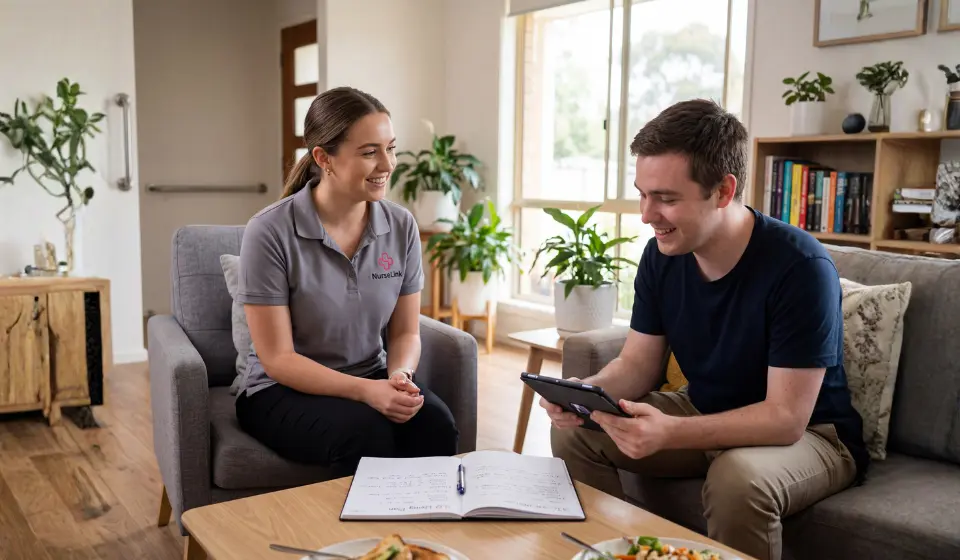
No one should feel they have to manage disability-related challenges alone. A strong support network can make a significant difference to quality of life, independence, and long-term wellbeing. Family members, carers, friends, healthcare professionals, and community organisations all contribute to creating a supportive environment that encourages growth and participation.
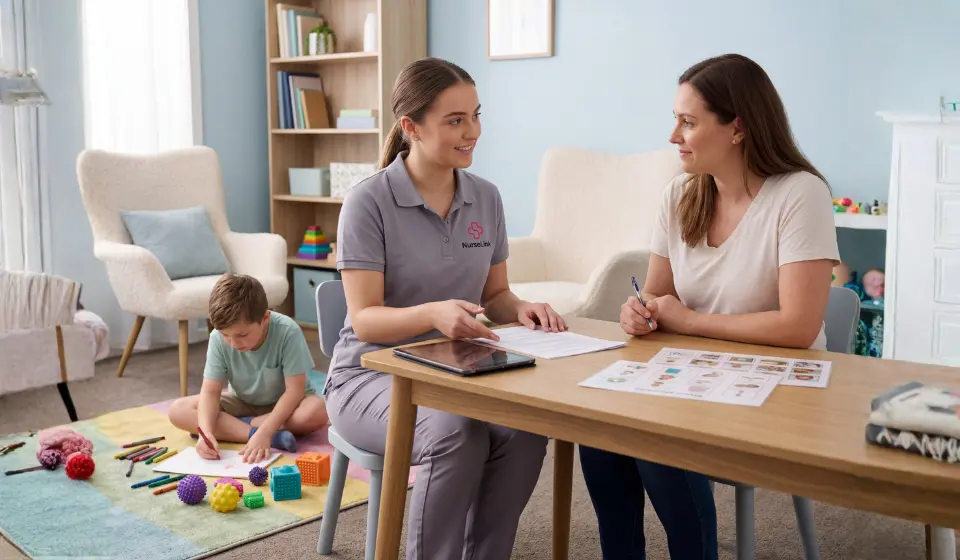
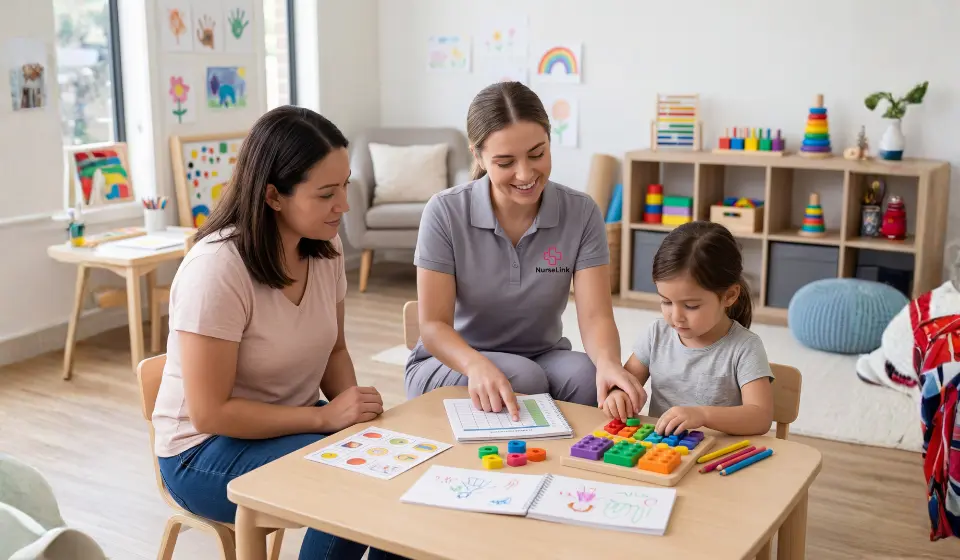
Disability support services provide practical assistance tailored to individual needs. These may include personal care, therapy services, community participation programs, transport assistance, skill development, nursing care, and support coordination. For eligible participants, NDIS-funded supports can help improve access to essential services that promote independence and enhance quality of life.
Working collaboratively with healthcare professionals and support providers allows individuals to identify the services that best align with their goals, preferences, and circumstances. The right support can make a meaningful difference when learning to live with a disability and pursuing greater independence.
Conclusion
Living with a disability does not mean giving up on personal goals, independence, or a fulfilling future. While challenges may arise, small changes, practical strategies, and access to appropriate support can significantly improve quality of life. Building resilience, maintaining healthy routines, prioritising mental wellbeing, and creating supportive environments all contribute to long-term success. By staying connected to support networks and seeking assistance when needed, individuals can continue to grow, achieve meaningful goals, and create a life that reflects their aspirations. With the right guidance and support, a healthier, more confident, and empowered future is always within reach.