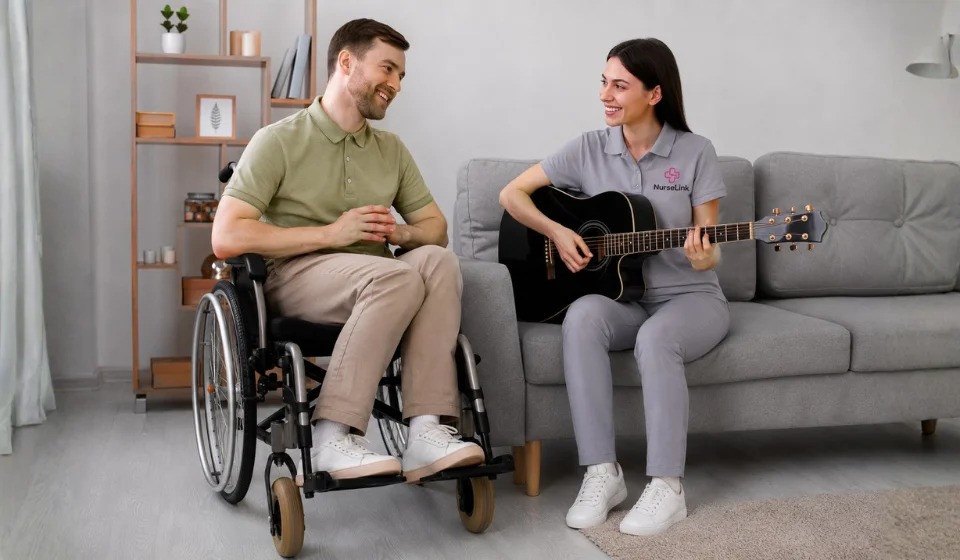
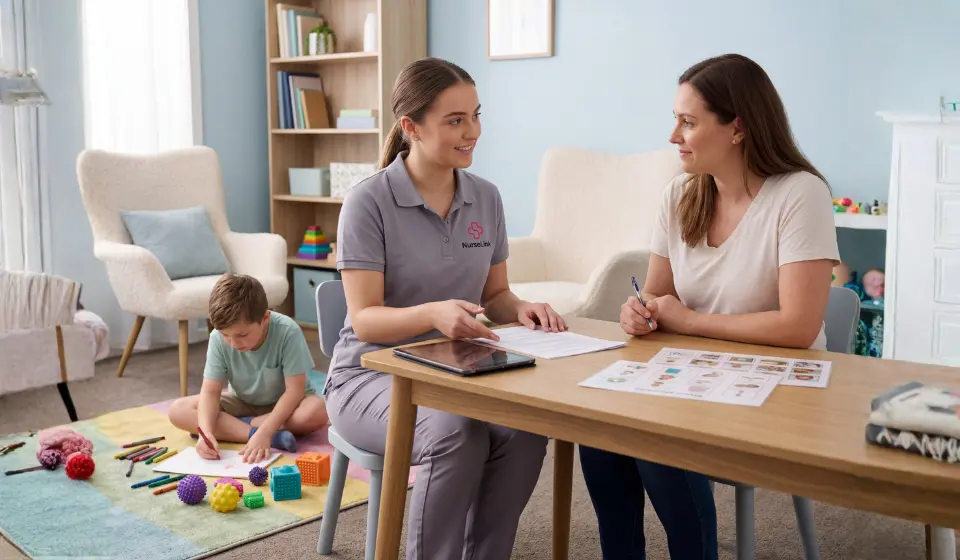
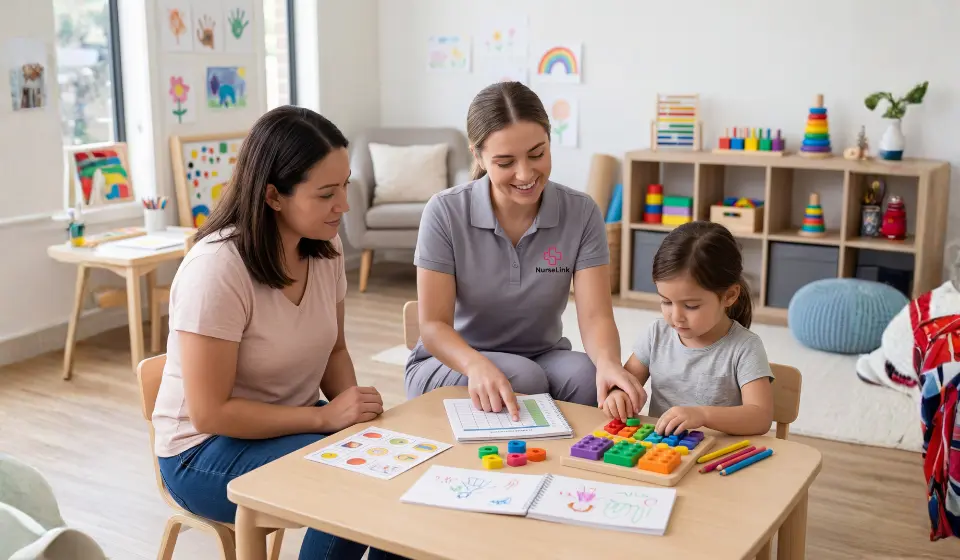
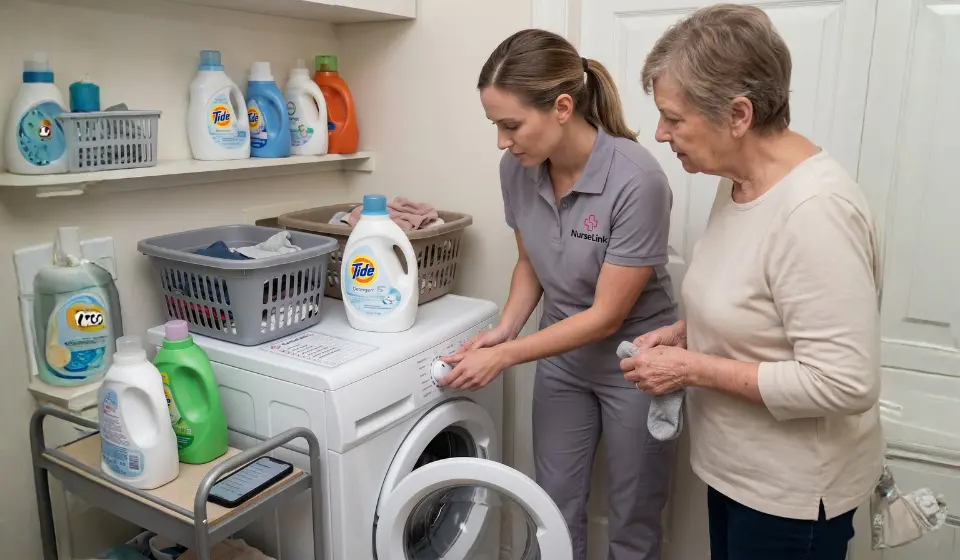
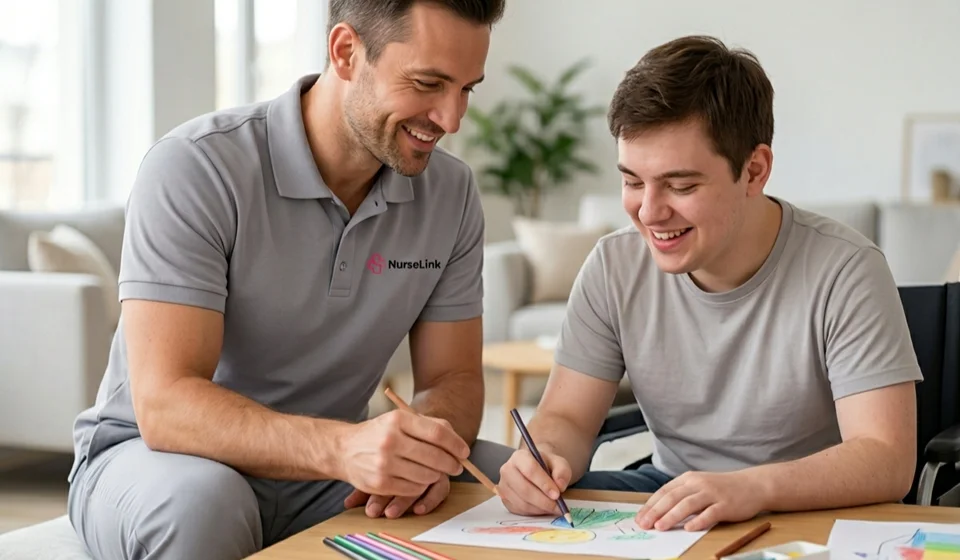
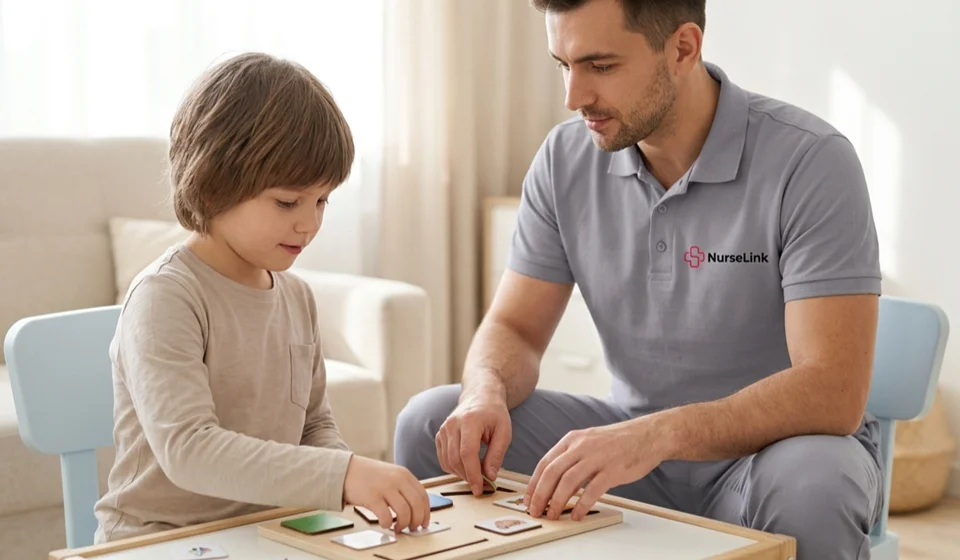
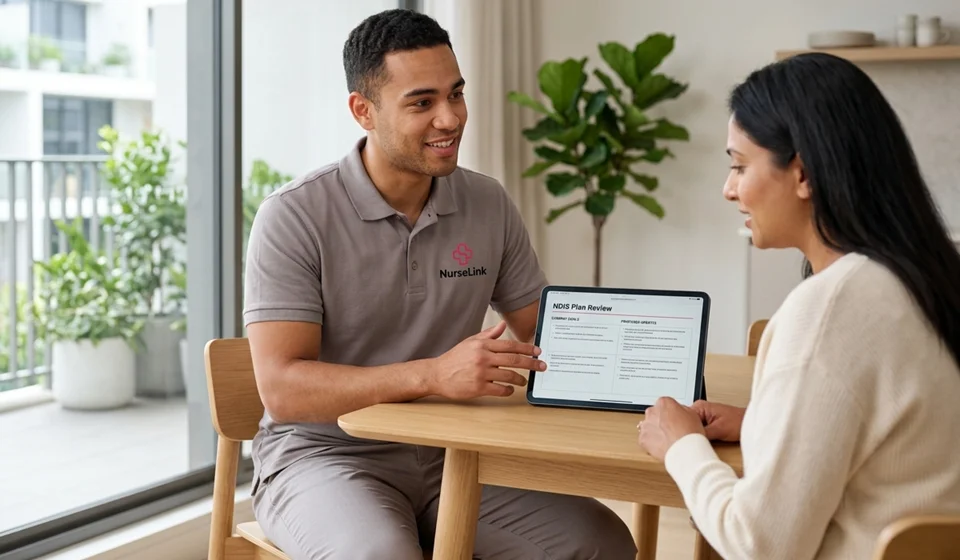
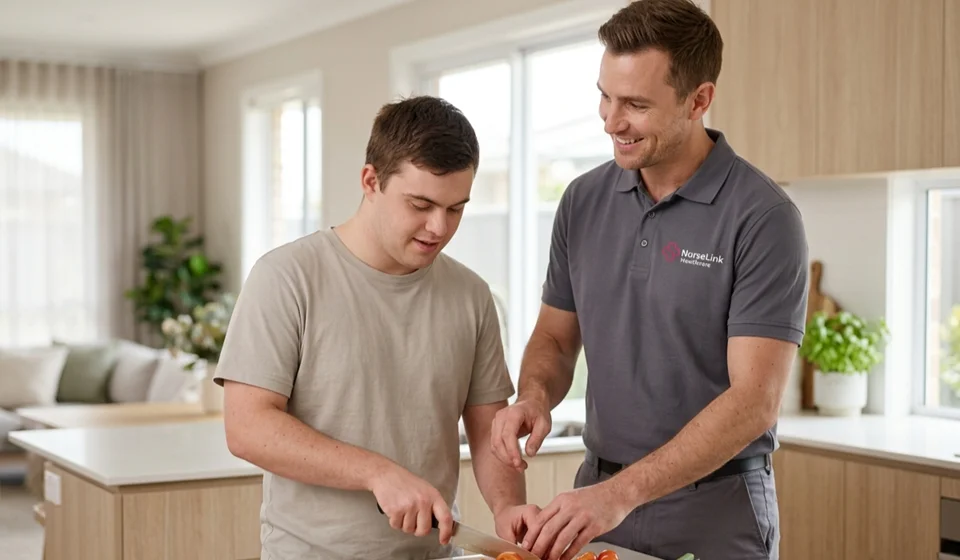
Respectful communication plays a vital role in creating a more inclusive and accessible society for people with disabilities. Positive interactions help promote dignity, independence, and equal participation in everyday life, whether at work, school, healthcare settings, or within the community. Despite growing awareness around inclusion, many people still feel uncertain about the best way to communicate with individuals living with disabilities, often due to misconceptions or fear of saying the wrong thing. The good news is that small adjustments in attitude and communication can make a significant difference, helping create welcoming environments where everyone feels valued, respected, and included.
Tips For Respectful & Inclusive Communication
Building meaningful relationships with people with disabilities begins with understanding that every individual is unique. Disabilities can be visible or invisible, temporary or lifelong, and each person’s preferences, abilities, and experiences will vary. Effective communication is not about following strict rules but rather approaching interactions with respect, openness, and a willingness to listen.
Understanding how to interact with people with disabilities starts with recognising that people are individuals first. Their disability is only one aspect of who they are. By focusing on the person rather than assumptions, we can create more positive and comfortable interactions that support inclusion and participation.
1. Talk Directly With The Person
One of the most important principles of respectful communication is addressing the individual directly. When a person is accompanied by a family member, carer, interpreter, or support worker, it can be tempting to direct questions or comments to the companion. However, this can unintentionally exclude the individual from the conversation.
Whenever possible, speak directly to the person and involve them in discussions about their own needs, preferences, and decisions. This demonstrates respect for their autonomy and encourages active participation. Direct communication helps build trust and reinforces the person’s right to make decisions about their own life.
It is also important to remain patient and allow the person adequate time to respond. Some individuals may communicate differently, but this does not mean they should be excluded from conversations that affect them.
2. Use Appropriate Language
Language has a powerful impact on how people feel and how they are perceived. Using respectful and inclusive terminology helps create positive interactions and demonstrates consideration for individual preferences.
Many people are familiar with the concept of disability etiquette, which includes choosing language that avoids stereotypes, assumptions, or outdated terms. Person-first language, such as “person with a disability”, is commonly preferred, although some individuals may prefer identity-first language depending on their personal perspective and community.
The best approach is to follow the individual’s preferences whenever possible. If you are unsure about the language someone prefers, it is perfectly acceptable to ask respectfully. Thoughtful communication helps foster inclusion and reduces the risk of causing discomfort or misunderstanding.
3. Speak With Respect
Respect should be the foundation of every interaction. People with disabilities should be treated as equals and given the same level of courtesy and consideration as anyone else.
Avoid making assumptions about a person’s abilities, intelligence, interests, or support needs based solely on their disability. Every individual has unique strengths, experiences, and capabilities that cannot be determined by appearance alone.
A common mistake is adopting an overly cautious, exaggerated, or patronising tone. While intentions may be positive, this can sometimes feel disrespectful. Instead, communicate naturally, politely, and confidently. Focus on the person as an individual rather than viewing them through the lens of their disability.
4. Note Non-Verbal Signals
Communication extends beyond spoken words. Body language, facial expressions, gestures, and other non-verbal cues often provide valuable information about how a person is feeling and whether communication is effective.
Some individuals may use alternative communication methods such as communication boards, assistive technology, sign language, or gestures. Being aware of these methods and adapting accordingly can improve understanding and create a more comfortable interaction.
Patience is particularly important when communication takes additional time. Allow conversations to progress at a pace that works for the individual and avoid interrupting or completing sentences on their behalf. Paying attention to non-verbal signals demonstrates respect and helps create more meaningful connections.
5. Ask Questions
Many people worry about offering assistance because they do not want to appear intrusive. While this concern is understandable, politely asking questions is often the best approach.
Before providing help, ask whether assistance is needed rather than assuming. Some individuals may welcome support, while others may prefer to complete tasks independently. Respecting personal choice is an important aspect of how to support people with disabilities.
Questions can also help clarify communication preferences, accessibility requirements, or individual needs. Listening carefully to responses allows you to provide appropriate support without making assumptions. Open and respectful dialogue often leads to better outcomes for everyone involved.
6. Make Eye Contact
Eye contact is a simple yet powerful way to demonstrate attentiveness and respect during conversations. When speaking with a person with a disability, maintain eye contact with them rather than directing your attention to a companion, support worker, or family member.
Appropriate eye contact helps create a sense of connection and shows genuine interest in what the person is saying. It reinforces the message that they are an active participant in the conversation and that their thoughts and opinions matter.
Of course, individual preferences should always be respected. Some people may find prolonged eye contact uncomfortable, so it is important to remain natural and responsive to the person’s communication style. Active engagement through eye contact, listening, and positive body language helps strengthen relationships and foster mutual respect.
A practical disability etiquette guide often highlights eye contact as one of the simplest yet most effective ways to make interactions more inclusive and respectful.
Key Takeaways
Creating a more inclusive society begins with effective communication and a genuine commitment to respect. Every person living with a disability has their own experiences, preferences, strengths, and support needs, which is why there is no one-size-fits-all approach. Small adjustments, such as speaking directly to the person, using respectful language, paying attention to communication preferences, and asking before offering assistance, can significantly improve everyday interactions. Understanding the principles of communicating with people with disabilities helps build stronger relationships, reduce barriers, and create environments where everyone feels valued. By focusing on the individual first and treating people with dignity, empathy, and respect, we can all contribute to a more welcoming, accessible, and inclusive community.