Group activities can play an important role in helping people with disabilities connect with others, explore their interests and participate more actively in their communities. The right activity is not simply about keeping people occupied. It can create opportunities to develop practical skills, build confidence, express creativity and enjoy meaningful social experiences in a supportive environment.
Inclusive activities can also provide physical, social and emotional benefits. Depending on the activity, participants may improve coordination and mobility, practise communication, develop problem-solving skills or simply experience the enjoyment of being part of a group. This guide explores different group activities for people with disabilities, along with practical considerations for making them accessible, flexible and enjoyable for people with different abilities and support needs.
Why Group Activities Matter For People With Disabilities
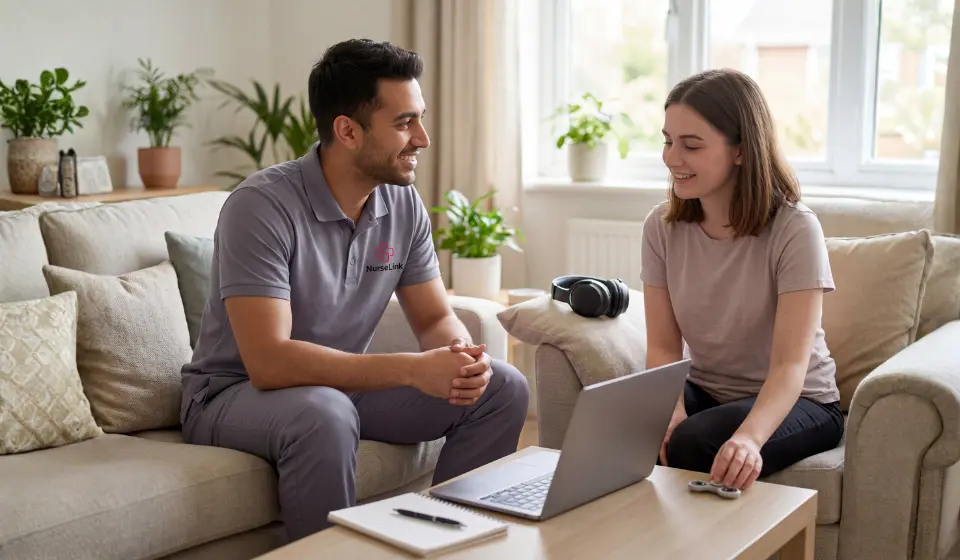
Regular group participation can help reduce social isolation by creating consistent opportunities to meet people, communicate and form relationships. Activities such as games, creative workshops, sports and community programs give participants a natural setting to interact with others while sharing common interests. This can be particularly valuable for people who may have limited opportunities to socialise outside their usual routines. Inclusive NDIS social activities can also encourage stronger connections between participants and their wider community.
Group settings can support the development of communication, motor and cognitive skills in ways that feel practical rather than purely instructional. For example, a cooking activity may involve following instructions and making choices, while an adaptive sport may encourage coordination, movement and teamwork. Successfully completing an activity can also strengthen confidence and encourage greater independence. Over time, regular participation can help people feel more comfortable trying new experiences, making decisions and contributing to a group. Most importantly, inclusive activities can create a sense of belonging by helping participants feel recognised, valued and included within their community.
Types Of Group Activities Suited To Different Needs
There is no single activity that will suit everyone. Preferences, abilities, communication styles, sensory needs and personal goals can all influence which activities are most appropriate. A varied program allows participants to explore different experiences and choose activities that match their interests and comfort levels.
Sensory & Physical Group Activities
Physical activities can be adapted to accommodate different mobility levels and abilities. Adaptive sports such as wheelchair basketball, modified swimming sessions and other inclusive sporting programs can encourage movement while developing teamwork and social interaction. Activities do not necessarily need to be competitive. The focus can instead be on participation, enjoyment and achieving individual goals.
Sensory play sessions can also provide engaging experiences for participants with different sensory preferences. Music, textured materials, safe light-based activities and other sensory experiences can be incorporated into structured group sessions. These activities may encourage exploration and self-expression while allowing participants to engage at their own pace.
Movement-based activities such as adapted yoga, gentle stretching and dance therapy can provide another flexible option. Movements can often be modified to suit different physical abilities, and participants may choose to perform activities while seated or standing. Beyond physical movement, these sessions can support body awareness, concentration and emotional expression.
Social & Creative Group Activities
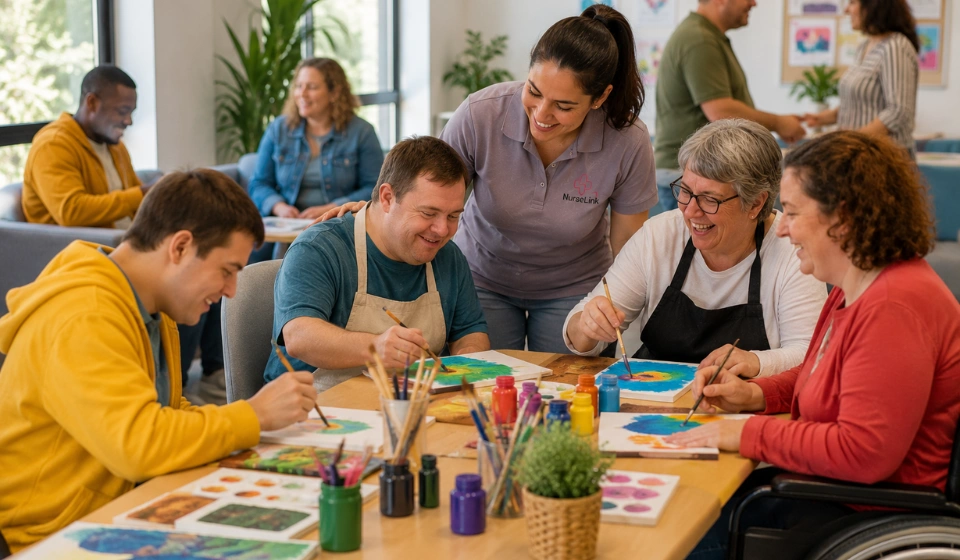
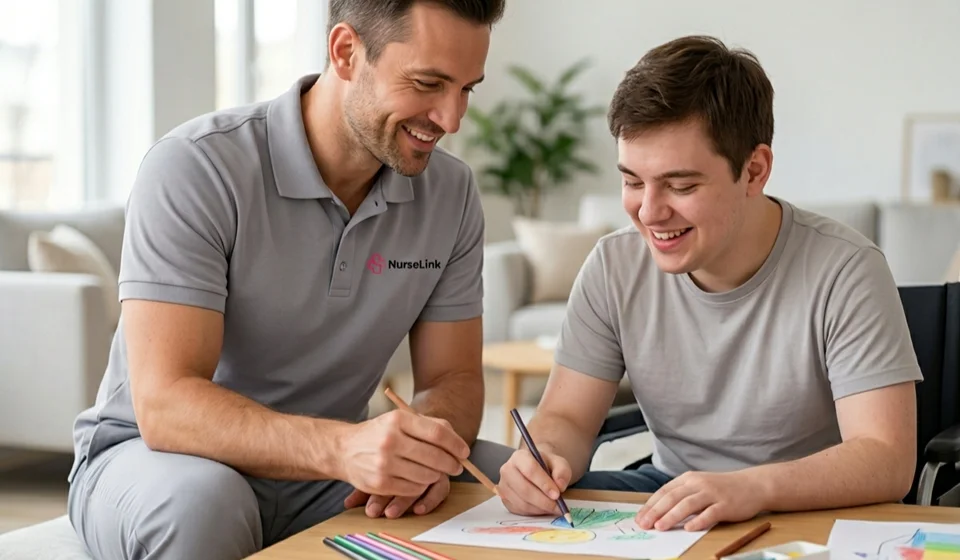
Creative activities can be particularly effective because they allow participants to communicate and express themselves without relying entirely on verbal communication. Art and craft workshops might include painting, drawing, collage, clay work or simple group projects. Participants can work independently while still sharing the same environment, materials and social experience.
Group games and icebreakers can help participants become familiar with one another and make new environments feel more comfortable. Simple games can be adapted to accommodate different communication, mobility or cognitive needs. Music and drama groups can also encourage self-expression, confidence and collaboration. Singing, rhythm activities, role play and storytelling can give participants different ways to participate according to their strengths.
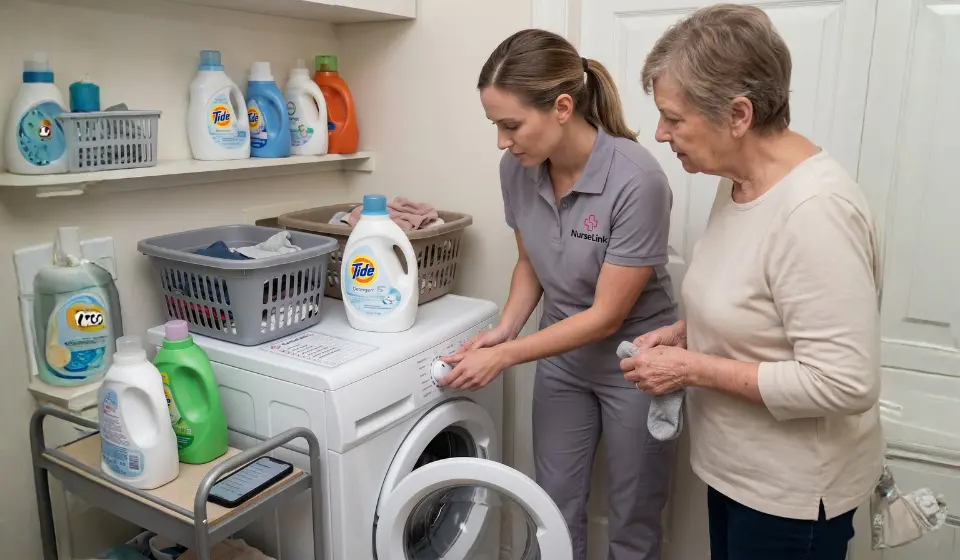
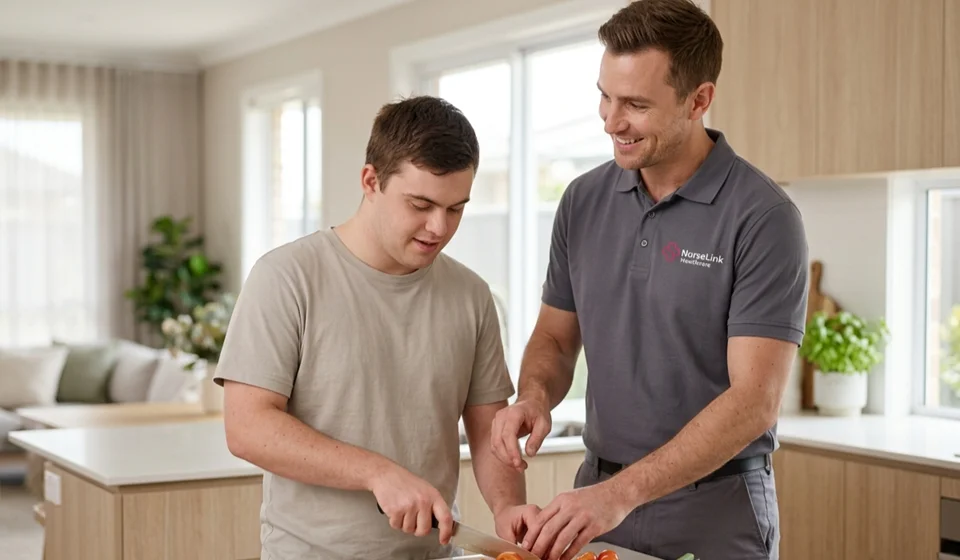
Cooking and life-skills classes offer opportunities to combine social interaction with practical learning. Participants might prepare a simple meal, practise measuring ingredients, learn kitchen safety or work together to organise a shared activity. These experiences can support independence while also teaching planning, communication and decision-making skills. Among the many group activities for adults with disabilities, practical classes can be especially valuable because the skills developed may also be applied in everyday life.
Tips For Planning Inclusive Group Activities
Successful inclusion requires more than simply inviting people to participate. Activities should be considered from the participant’s perspective, including what they may need to access the activity comfortably and confidently. Good planning can remove unnecessary barriers while still allowing people to make choices about how they participate.
Assess Individual Needs & Abilities
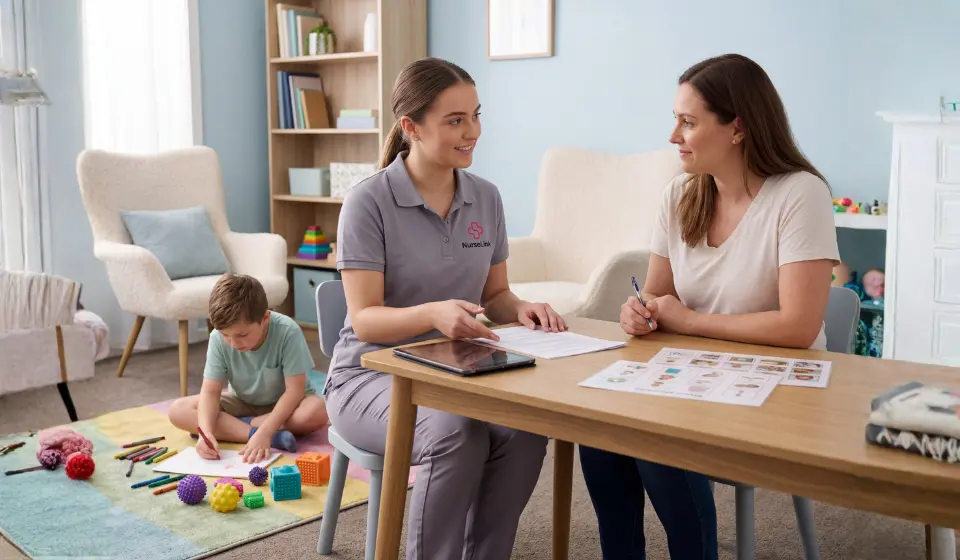
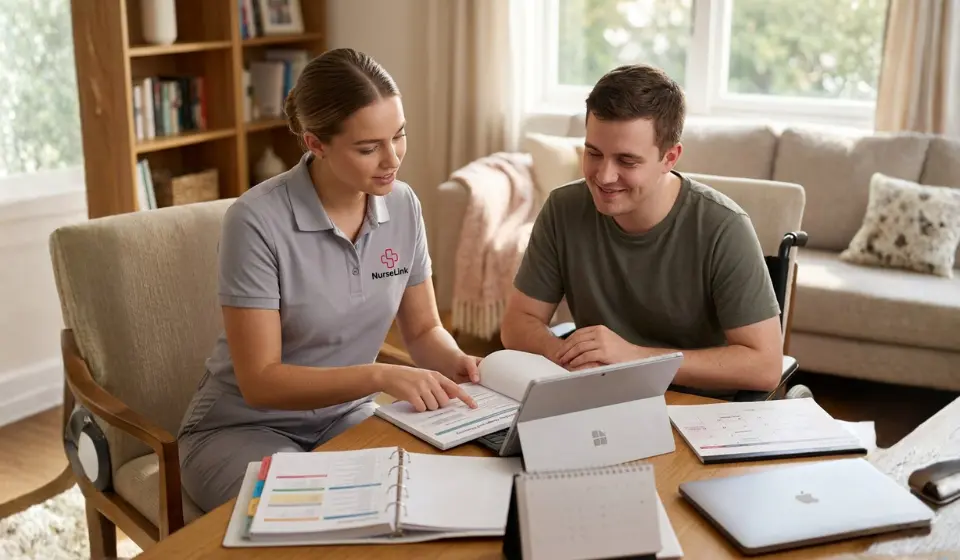
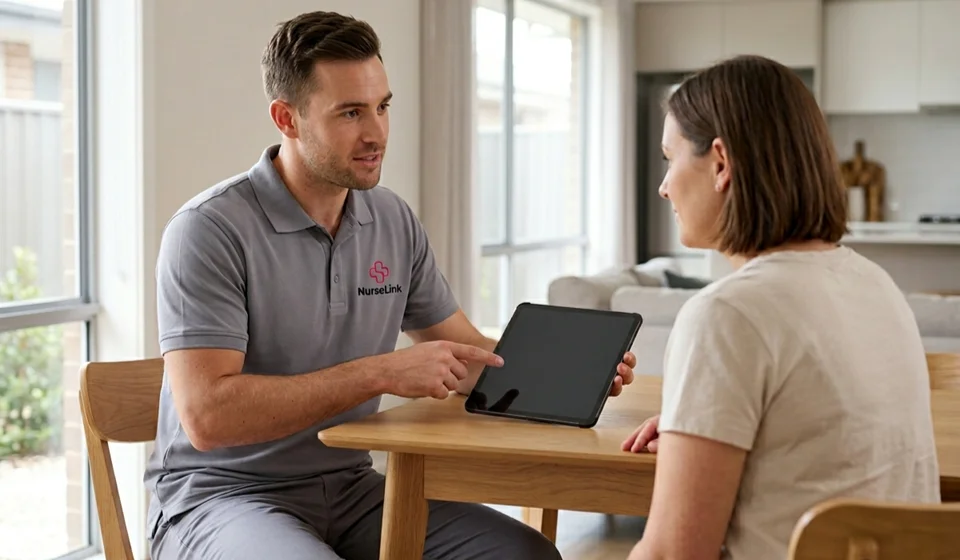
Before planning an activity, consider the physical, sensory, communication and cognitive requirements of each participant. Some people may require mobility assistance, while others may benefit from visual instructions, additional processing time or a quieter environment. Understanding these differences makes it easier to select activities that are genuinely accessible rather than expecting everyone to participate in exactly the same way.
It is also important to consider individual interests. An activity may technically be accessible but still fail to engage participants if it does not reflect what they enjoy. Where possible, involve participants in choosing activities and ask what they would like to learn, try or experience.
Choose Accessible Venues & Equipment
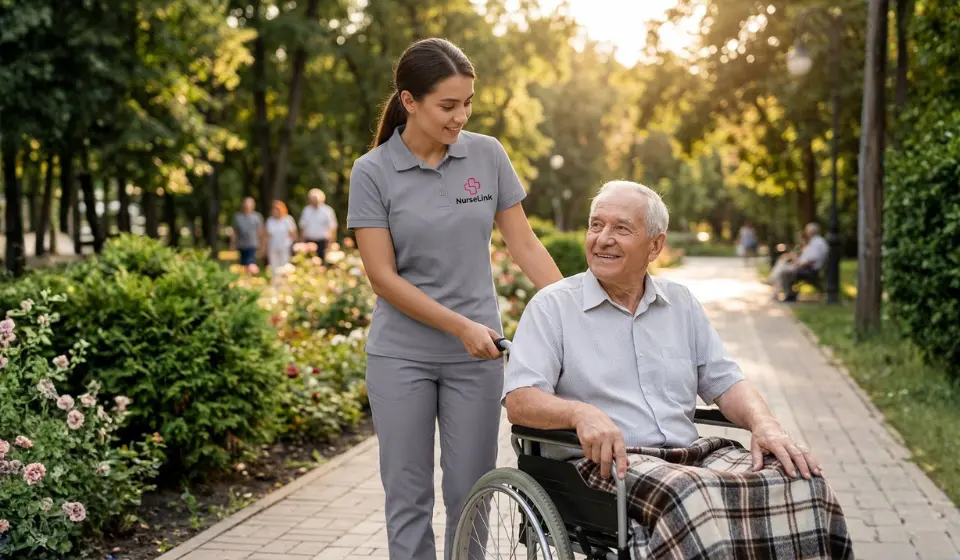
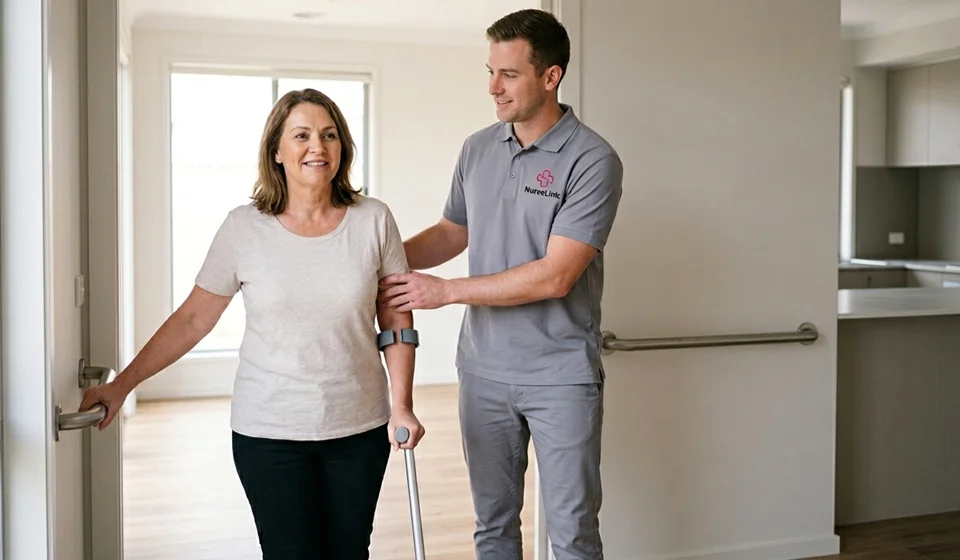
The physical environment can have a major influence on participation. Venues should provide appropriate access for wheelchairs, walkers and other mobility aids, with suitable entrances, pathways, seating and bathroom facilities. Consider lighting, noise levels and other sensory factors as well.
Equipment should also be selected according to the needs of the group. Adapted sporting equipment, easy-grip tools, visual resources or alternative materials may make an activity more accessible. Small adjustments can make a significant difference without changing the core purpose of the activity.
Involve Trained Support Staff Or Volunteers
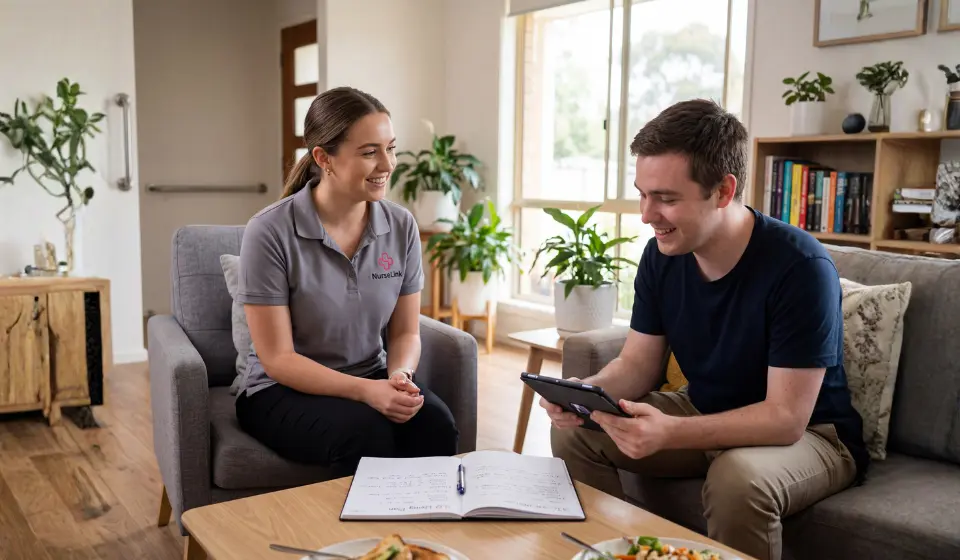
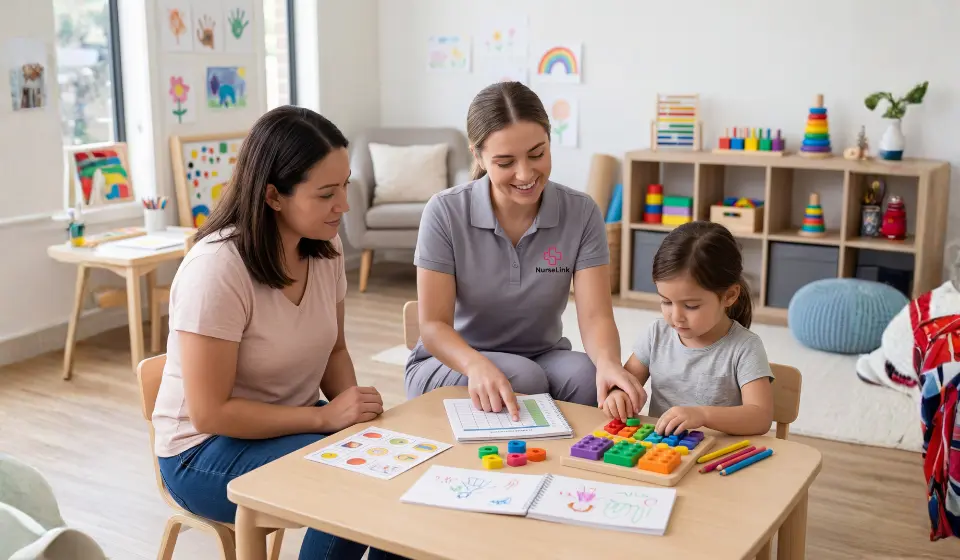
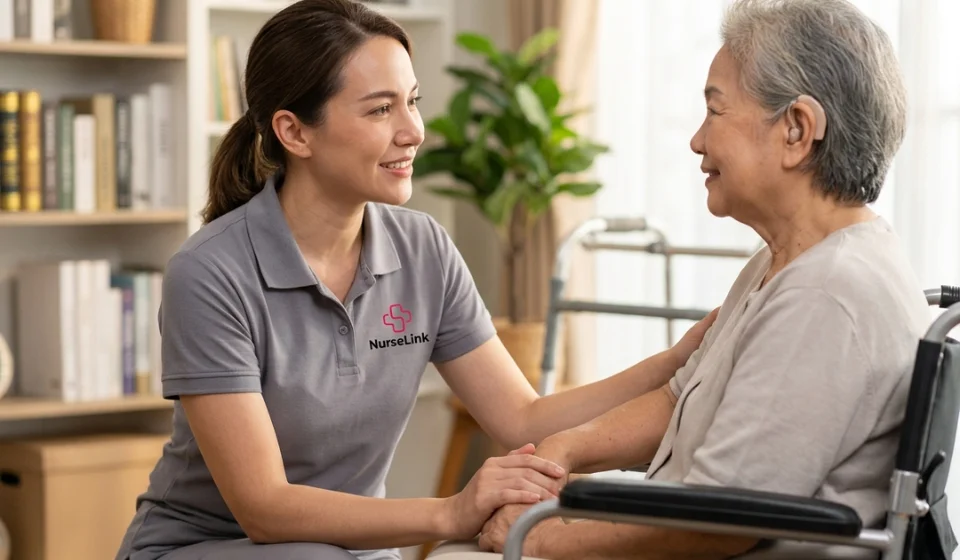
Having appropriately trained support staff or volunteers can help participants feel more comfortable and confident. Support may involve explaining instructions, assisting with equipment, facilitating communication or helping someone participate safely.
The aim should be to provide the right level of assistance without unnecessarily taking over. Participants should be encouraged to make choices and complete tasks independently whenever possible. Support staff can observe individual needs and adjust their approach depending on the activity and the person’s level of engagement.
Keep Activities Flexible & Adaptable
Flexibility is one of the most important elements of inclusive group planning. Participants may have different energy levels, attention spans, sensory preferences or comfort levels on a particular day. Activities should therefore allow people to take breaks, modify tasks or participate in alternative ways.
For example, a dance session could include seated movements, while a cooking class could divide tasks according to different abilities. Group activities for disabled participants are more effective when success is measured by meaningful participation rather than everyone completing the same task in the same way.
Key Takeaways
Group activities can support social connection, confidence, independence, communication, physical development and a stronger sense of belonging. From adaptive sports and sensory sessions to art workshops, music groups, games and life-skills classes, there are many ways to create meaningful opportunities for participation. The most effective group activities for people with disabilities are planned around individual abilities, interests and support needs, with accessible environments, appropriate assistance and enough flexibility to accommodate different ways of participating. With thoughtful planning and an inclusive approach, group activities can become enjoyable and valuable experiences that encourage people to connect, learn, contribute and get involved in their communities.