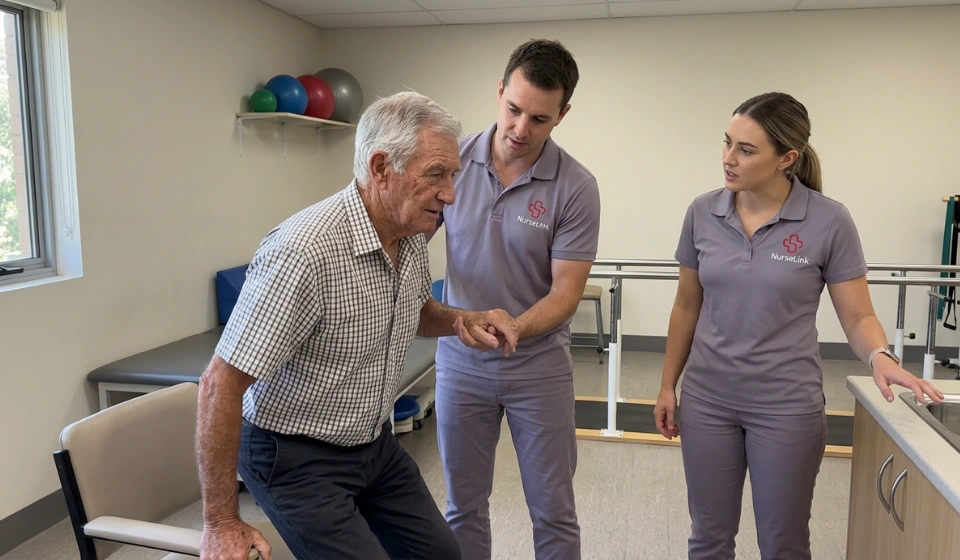
Physiotherapy and occupational therapy are different healthcare disciplines that support recovery, function and independence. Physiotherapy primarily focuses on movement, strength, mobility and physical rehabilitation, while occupational therapy focuses on helping people manage everyday activities. Understanding the distinction matters because the right therapy depends on a person’s condition, abilities and individual goals.
Introduction
Physiotherapy and occupational therapy are often confused because both support people recovering from illness, injury, disability or changes in physical function, but they have different areas of focus. Physiotherapy generally addresses movement, strength, balance, pain and physical rehabilitation, while occupational therapy focuses on everyday activities, independence and participation in home, work and community life. Understanding the difference between physiotherapy and occupational therapy can help individuals and families make more informed decisions about appropriate care. In some circumstances, both therapies may be recommended as part of a personalised rehabilitation plan.
What Is Physiotherapy?
Physiotherapy is a healthcare profession that helps people improve movement, physical function and mobility following injury, illness, surgery or other health-related challenges. The role of a physiotherapy professional is to assess physical abilities and develop a treatment plan designed around the person’s specific needs. Physiotherapy can be relevant for people of different ages, including older adults, people recovering from injury and individuals living with disability.
The main goals of physiotherapy include improving strength, flexibility, balance, coordination and mobility while helping manage pain and restore physical function. A physiotherapist typically assesses factors such as movement patterns, muscle strength, joint mobility, balance and physical limitations before recommending treatment. Depending on the person’s needs, treatment may include therapeutic exercises, mobility training, stretching, strengthening exercises, balance activities, manual techniques and education about safe movement.
Physiotherapy can support people experiencing back or neck pain, sports injuries, joint problems, reduced mobility, muscle weakness, balance difficulties and rehabilitation needs following surgery or injury. The benefits of physiotherapy can include improved physical function, greater confidence with movement and support for returning to everyday activities. For someone recovering from an injury, for example, physiotherapy may help rebuild strength and mobility so they can walk, transfer or perform other physical tasks more safely.
What Is Occupational Therapy?
Occupational therapy is a healthcare profession that helps people participate as independently and safely as possible in everyday activities. Here, “occupation” refers to meaningful activities that people need, want or are expected to do, including personal care, household tasks, education, employment, leisure and community participation. The role of occupational therapy is therefore broader than simply treating a physical condition. It considers how a person’s abilities, environment and daily activities interact.
An occupational therapist assesses how a health condition, disability, injury or developmental challenge affects everyday functioning. They may look at a person’s ability to dress, shower, prepare meals, manage household tasks, communicate, work, study or safely move around their home. Occupational therapy may benefit people living with neurological conditions, physical disabilities, developmental challenges, cognitive difficulties, age-related changes or injuries that affect independence.
Occupational therapists can use activity-based therapy, functional skills training, adaptive equipment and environmental modifications to make daily activities more manageable. For example, an occupational therapist may recommend equipment to make bathing safer, suggest changes to a home environment or develop strategies that help a person complete personal care tasks. These interventions can promote independence while taking into account the person’s abilities, preferences, routines and goals.
Physiotherapy Vs Occupational Therapy: Key Differences
The main difference between physiotherapy and occupational therapy is their primary focus: physiotherapy concentrates more heavily on physical movement and function, while occupational therapy focuses on performing everyday activities and maintaining independence. Although their roles can overlap, the assessment and treatment goals are usually different.
A simple comparison can help explain how each profession approaches rehabilitation:
- Primary focus: Physiotherapy focuses on movement, mobility, strength, balance and physical function. Occupational therapy focuses on daily activities, functional independence and participation.
- Treatment goals: Physiotherapy may aim to improve physical capacity, reduce movement-related limitations and support recovery. Occupational therapy aims to help people perform meaningful daily activities as safely and independently as possible.
- Assessment approach: Physiotherapists may assess strength, joint movement, balance, walking and physical function. Occupational therapists may assess self-care, functional activities, cognition, routines and environmental barriers.
- Common challenges: Physiotherapy can be particularly relevant for pain, injury, reduced mobility and physical weakness. Occupational therapy can be particularly useful when a person has difficulty managing personal care, household tasks, work, education or other everyday activities.
- Overlap: Both professions can support people following injury, surgery, illness or disability, and both can contribute to rehabilitation. A person may receive both services when physical limitations affect their ability to complete everyday activities.
Understanding this distinction also explains why there is no universal answer to whether occupational therapy or physiotherapy is more appropriate. The suitable service depends on what the person is trying to achieve and which areas of function require support.
When Do You Need Physiotherapy Or Occupational Therapy?
Physiotherapy may be appropriate when a person has problems with movement, strength, balance, mobility or physical function, while occupational therapy may be appropriate when a person has difficulty completing everyday activities independently. The need for either service should be considered in relation to the individual’s condition, functional challenges and rehabilitation goals.
Signs that physiotherapy may be useful include ongoing movement difficulties, reduced strength, balance problems, pain affecting mobility, recovery following surgery or an injury, or difficulty walking and transferring safely. Occupational therapy may be useful when someone struggles with dressing, bathing, eating, cooking, household activities, work or other daily routines because of an illness, injury, disability or functional limitation.
Common situations can include:
- Physiotherapy: Recovery from an injury, surgery or musculoskeletal condition, difficulty walking, reduced physical strength, balance problems or mobility limitations.
- Occupational therapy: Difficulty with self-care, household tasks, work or study, cognitive activities or other daily routines.
- Older adults: Physiotherapy may help address mobility and physical function, while occupational therapy may help with safe daily activities and environmental adaptations.
- People living with disability: Either or both therapies may support functional goals, depending on the person’s individual needs.
- Combined rehabilitation: Someone recovering from a stroke, serious injury or neurological condition may require physiotherapy for physical rehabilitation and occupational therapy for everyday functional skills.
Professional assessment is important because the most suitable therapy cannot always be determined from a diagnosis alone. Two people with the same condition may have very different functional challenges and therefore require different approaches.
Can Physiotherapy & Occupational Therapy Work Together?
Yes, physiotherapy and occupational therapy can work together when a person’s rehabilitation needs involve both physical function and everyday activities. The two disciplines can complement one another by addressing different parts of the recovery process while working towards shared, person-centred goals.
Physiotherapy may help a person develop the physical abilities needed for movement, such as strength, balance, coordination and mobility. Occupational therapy can then focus on applying those abilities to practical activities. For example, a person recovering from a stroke may work with a physiotherapist on walking and balance while an occupational therapist helps them practise dressing, preparing food or safely completing other daily routines.
A coordinated approach can provide a broader view of rehabilitation because it considers both what a person can physically do and how effectively they can use those abilities in everyday life. Personalised care is particularly important because treatment should reflect the individual’s environment, priorities and goals rather than follow a standard programme. Where appropriate, physiotherapists and occupational therapists may also work alongside nurses, doctors, support workers and other healthcare professionals.
Key Takeaway
Physiotherapy and occupational therapy have different but complementary roles in healthcare. Physiotherapy primarily focuses on movement, mobility, strength, balance and physical rehabilitation, while occupational therapy focuses on everyday activities, participation and independence. Some people may benefit from one service, while others may benefit from both. Professional assessment can help identify the most appropriate approach based on individual needs, abilities and goals.
Frequently Asked Questions
Is Occupational Therapy & Physiotherapy the Same?
No, occupational therapy and physiotherapy are not the same. Physiotherapy primarily focuses on movement, physical function, mobility, strength and rehabilitation, while occupational therapy focuses on helping people manage everyday activities and maintain independence. The two professions can overlap and may work together, particularly when a person’s physical limitations also affect their ability to complete daily tasks.
What Is the Role of Physiotherapy?
The role of a physiotherapy professional is to assess and support physical function, movement and mobility. Physiotherapists may work with people experiencing pain, injuries, weakness, balance difficulties or rehabilitation needs following surgery or illness. Treatment can include therapeutic exercises, mobility training, strengthening, balance activities and education designed around the person’s physical abilities and recovery goals.
What Are the Benefits of Physiotherapy?
The benefits of physiotherapy can include improved mobility, strength, balance, flexibility and physical function. Physiotherapy may also support pain management and recovery following injury, surgery or illness. The specific benefits depend on a person’s condition and treatment goals. A physiotherapist can assess physical limitations and develop an appropriate programme to support safer and more effective movement.
What Are the Benefits of Occupational Therapy?
The benefits of occupational therapy include support with everyday activities, improved functional independence and strategies for managing challenges associated with disability, injury or illness. Occupational therapists may recommend adaptive equipment, activity modifications or environmental changes. The aim is to help people participate as independently and safely as possible in activities such as personal care, household tasks, work and community life.
How Can NDIS Occupational Therapy Help?
NDIS occupational therapy can help an eligible participant address functional difficulties related to disability and work towards their individual goals. Depending on the participant’s plan and circumstances, an occupational therapist may assess functional needs, recommend assistive technology, suggest home modifications or develop strategies for daily activities. NDIS supports are individualised, so eligibility and funding depend on the participant’s approved plan and circumstances.
Is Occupational Therapy Covered by NDIS?
Occupational therapy may be funded through the NDIS when it is considered a reasonable and necessary support related to a participant’s disability and aligns with their plan and goals. NDIS funding arrangements can vary between individuals. Participants should check their current plan and discuss their needs with their support team or an appropriate NDIS professional to understand what supports may be available.
Occupational Therapy or Physiotherapy Which Is Better?
Neither therapy is universally better because physiotherapy and occupational therapy address different rehabilitation needs. Physiotherapy generally focuses on physical movement, mobility and strength, while occupational therapy focuses on everyday activities and independence. The more appropriate service depends on the person’s condition, functional difficulties and goals. In some situations, receiving both therapies may provide complementary support.