Down syndrome is a genetic condition caused by an extra copy of chromosome 21. It can influence physical development, learning, communication and health in different ways. Understanding what Down syndrome is, its characteristics and the support available can help families, carers and communities provide respectful, inclusive and personalised care.
What Is Down Syndrome & What Causes It?
Down syndrome occurs when a person has an extra copy of chromosome 21, either fully or partially. This additional genetic material affects development and can contribute to particular physical characteristics, developmental differences and health conditions. However, every person with Down syndrome is an individual with their own abilities, personality, interests and support needs.
The causes of Down syndrome are related to a random genetic event during the formation of reproductive cells or early development. It is not caused by something a parent did before or during pregnancy. The likelihood of having a baby with Down syndrome increases with maternal age, although babies with Down syndrome can be born to parents of any age.
There are three main types of Down syndrome:
- Trisomy 21: This is the most common type, where there are three copies of chromosome 21 in cells instead of two.
- Translocation Down syndrome: Extra chromosome 21 material becomes attached to another chromosome.
- Mosaic Down syndrome: Only some cells contain an extra copy of chromosome 21.
Understanding the causes of Down syndrome can help families access appropriate information and professional support without relying on myths or misconceptions.
Common Signs & Characteristics Of Down Syndrome
People with Down syndrome may share certain physical characteristics, but these features vary considerably from person to person. Common characteristics can include a flatter facial profile, almond-shaped eyes, shorter stature, low muscle tone and differences in hand shape.
Developmental and learning differences are also common. A child may reach developmental milestones later than other children and may benefit from additional support with speech, language, memory, motor skills and learning. This does not mean that people with Down syndrome cannot learn or develop independence. With suitable opportunities and support, many people develop a wide range of skills.
Some individuals may also have health conditions associated with Down syndrome. These can include hearing or vision difficulties, heart conditions, thyroid problems, sleep-related breathing difficulties and gastrointestinal concerns. Regular healthcare can help identify and manage these issues.
When discussing what are the symptoms of Down’s syndrome, it is more appropriate to refer to signs, characteristics and associated health conditions because Down syndrome is a genetic condition, not an illness that progresses through predictable symptoms.
It is also important to understand that there are no fixed or different stages of Down syndrome. People with Down syndrome develop throughout childhood, adolescence and adulthood, just as other people do, although their development may follow a different pattern or require additional support.
How Down Syndrome Can Affect Everyday Life
Down syndrome impacts people differently, so there is no single experience of daily life. Some people may need considerable assistance, while others may become highly independent with the right opportunities and support.
Communication can sometimes require additional patience. People may understand more than they can express verbally, particularly when speech and language development takes longer. Clear language, visual support, repetition and allowing extra time to respond can make communication easier.
Learning can also take a different pathway. People may benefit from individualised teaching approaches, practical activities and additional time to understand new information. Education should focus on strengths while providing appropriate adjustments for areas where additional assistance is needed.
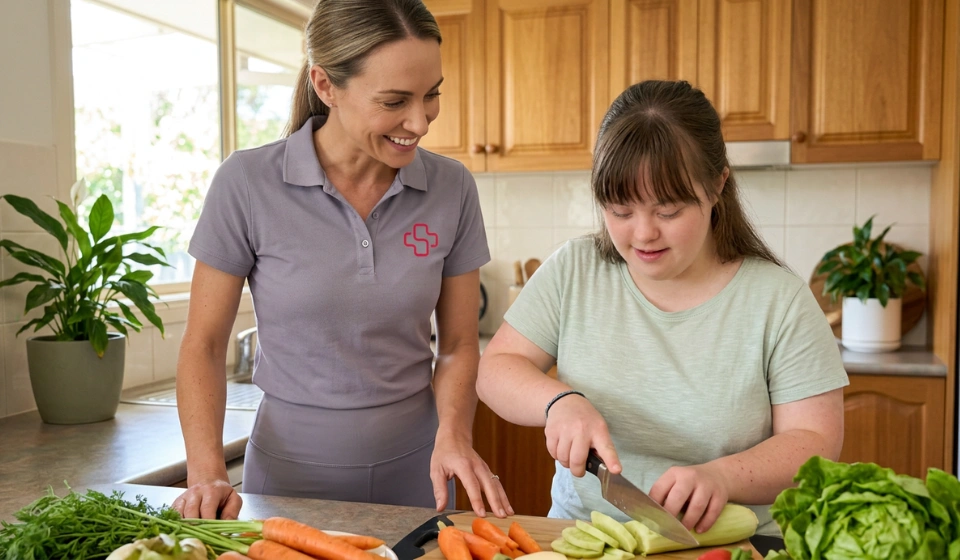
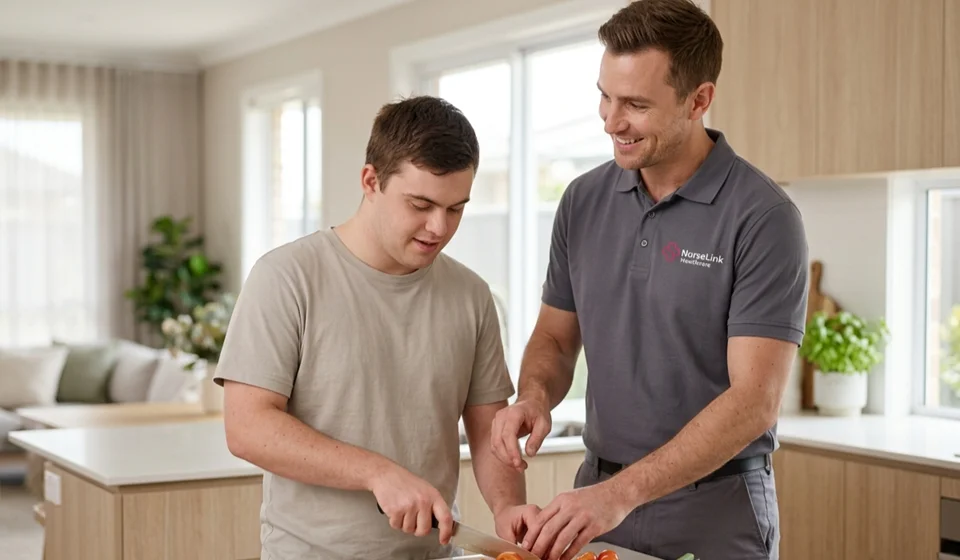
Daily living skills can develop through consistent practice and encouragement. Depending on the individual, support may involve personal care, meal preparation, managing money, travelling, household tasks or making appointments. Encouraging participation rather than doing everything for the person can help build confidence and independence.
Social connections are another important part of everyday life. Friendships, family relationships, community activities, sport, education and employment can contribute to confidence, belonging and emotional wellbeing. Inclusive environments allow people with Down syndrome to participate meaningfully rather than being excluded because of assumptions about their abilities.
Understanding the risk of downs syndrome is also important for families seeking accurate information during pregnancy. Risk factors can include maternal age and certain genetic circumstances, but risk does not determine whether a baby will have Down syndrome. Screening and diagnostic testing should be discussed with qualified healthcare professionals.
Supporting People With Down Syndrome To Live Fulfilling Lives
Supporting someone with Down syndrome begins with recognising the person rather than focusing only on their diagnosis. Families, carers, healthcare professionals, educators and community organisations can all contribute to an environment where individuals have opportunities to learn, participate and make choices.
Practical approaches include:
- Encourage independence by allowing the person to complete appropriate tasks themselves.
- Use clear and respectful communication suited to their individual needs.
- Provide personalised education, healthcare and daily living support.
- Encourage participation in family, social, educational and community activities.
- Support informed decision-making and respect personal preferences.
- Build strong relationships between families, carers, healthcare professionals and support services.
People with Down syndrome should also have opportunities to set goals and express their preferences. Support should not automatically mean making decisions for someone. Instead, it can involve providing information in an accessible way, allowing sufficient time to respond and helping the individual communicate their choices.
Healthcare can play an important role throughout life. Regular monitoring can help identify health concerns early, while allied health professionals may provide assistance with communication, movement, daily living skills and other areas of development.
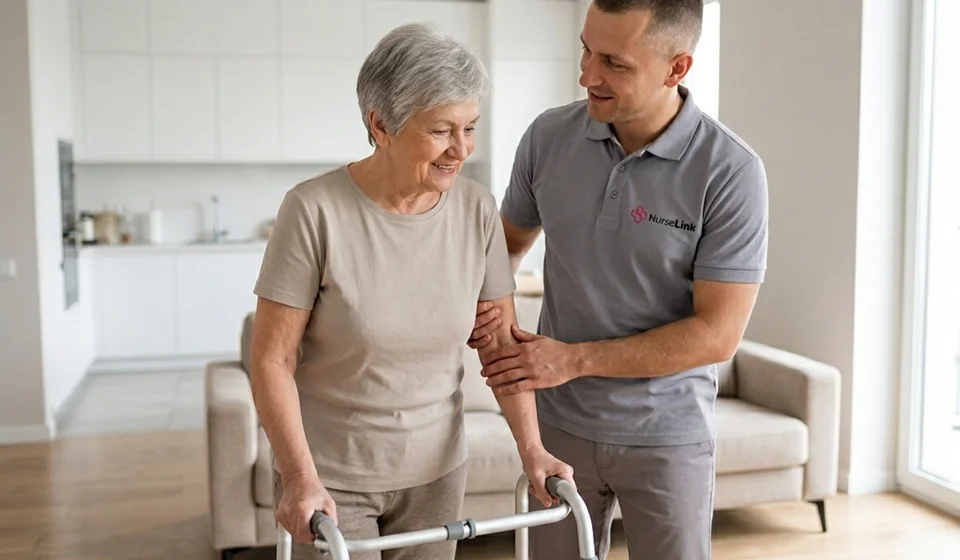
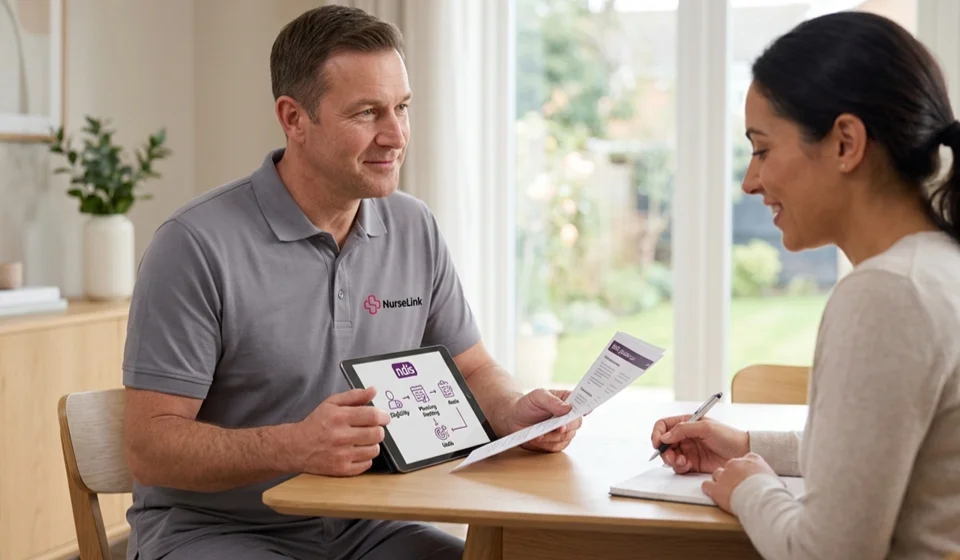
For families and individuals receiving support in Australia, personalised healthcare and community services can help address changing needs across different stages of life. NurseLink Healthcare provides nursing, NDIS, homecare and non-emergency patient transport services designed to support individuals and families with compassionate, reliable care.
Key Takeaway
Down syndrome is a genetic condition caused by additional chromosome 21 material. It can affect development, learning, communication and health, but its impact varies from person to person. There are no fixed stages of Down syndrome, and a diagnosis does not define a person’s abilities, personality or future.
Understanding down syndrome facts and myths can help replace assumptions with accurate information. People with Down syndrome can learn, develop independence, build relationships, participate in their communities and pursue meaningful goals when they receive appropriate opportunities and individualised support.
Frequently Asked Questions
What Is Down Syndrome?
Down syndrome is a genetic condition caused by having an extra copy of chromosome 21. It can influence physical characteristics, development, learning and health. The level of impact varies between individuals. People with Down syndrome have different personalities, abilities, interests and support needs, so their experiences should be understood on an individual basis.
Is Down Syndrome a Disease?
No, Down syndrome is not a disease. It is a genetic condition resulting from additional chromosome 21 material. Although some people with Down syndrome may have associated health conditions, Down syndrome itself is not an illness that can be caught, cured or passed from one person to another.
What Are the Causes of Down Syndrome?
The causes of Down syndrome involve changes in chromosome distribution during the formation of reproductive cells or early development. Most cases occur randomly and are not caused by parental behaviour. Maternal age can increase the likelihood, although Down syndrome can occur in pregnancies at any age.
What Are the Different Stages of Down Syndrome?
There are no medically recognised stages of Down syndrome. It is a lifelong genetic condition rather than a progressive disease. People develop throughout childhood and adulthood, with individual abilities and support needs changing over time. Development may occur at a different pace, but there is no standard sequence of Down syndrome stages.
What Are the Common Signs of Down Syndrome?
Common characteristics can include low muscle tone, distinctive facial features, shorter stature and developmental or learning differences. Some people may also experience associated health conditions involving hearing, vision, the heart, thyroid or sleep. However, characteristics vary, and they should not be used to make assumptions about an individual’s abilities or potential.