Social support and mental health are closely connected for NDIS participants because meaningful relationships can reduce isolation and promote emotional wellbeing, confidence and a sense of belonging. The National Disability Insurance Scheme (NDIS) is an Australian government scheme that funds eligible people with permanent and significant disability to pursue their goals and participate more fully in everyday life. Disability, communication barriers, limited mobility and social isolation can make it harder to maintain relationships or access community activities. This article explains the meaning of social support, its mental health benefits, different types of support available through the NDIS, and how families, carers and support workers can encourage independence and social connection.
What Is Social Support For NDIS Participants?
Social support for NDIS participants means practical, emotional or community-based assistance that helps a person build relationships, participate in activities and maintain meaningful connections. The meaning of social support can vary between individuals because everyone has different abilities, preferences, circumstances and personal goals.
Social support can include assistance with participating in community activities, developing social skills or accessing places where relationships and friendships can develop. However, general companionship and every social activity are not automatically funded by the NDIS. NDIS supports must relate to a participant’s disability-related needs, support their goals and meet the relevant funding and reasonable-and-necessary requirements.
Key forms of social support may include:
- Practical assistance to participate in community and social activities.
- Emotional encouragement that helps a participant develop confidence.
- Support with communication and social interaction.
- Assistance to access community groups, recreational activities and services.
- Opportunities to develop and maintain meaningful relationships.
The most appropriate support should reflect what the participant wants to achieve. For one person, this may involve attending a local community group, while another may need assistance developing communication skills or accessing recreational activities. Individual choice should remain central to planning social support.
How Does Social Support Improve Mental Health In NDIS Participants?
Social support can improve mental health in NDIS participants by reducing isolation, strengthening confidence and providing opportunities for meaningful connection. Regular interaction with supportive people can create a sense of belonging and provide encouragement during challenging periods.
The benefits of social support for mental health can extend beyond simply spending time with other people. Positive social experiences can encourage participants to develop communication skills, establish friendships, pursue interests and become more involved in their communities. These experiences may also support emotional resilience and improve overall quality of life.
Important benefits include:
- Reducing loneliness and social isolation.
- Building confidence and self-esteem.
- Providing emotional encouragement.
- Creating a stronger sense of belonging.
- Supporting communication, social skills and healthy participation.
Understanding how social support affects mental health requires considering both the quality and consistency of relationships. Supportive relationships can provide encouragement without taking away a person’s independence. However, social support should not be considered a replacement for professional mental health treatment. Participants experiencing significant or ongoing mental health concerns may need appropriate healthcare or psychological support in addition to social connection.
Types Of Social Support Available Through The NDIS
Different types of social support available through the NDIS depend on a participant’s individual circumstances, disability-related needs, goals and approved plan funding. The NDIS does not automatically fund every social activity, so participants should understand how proposed supports relate to their disability and goals.
Examples of disability-related social and community support may include:
- Assistance with social and community participation.
- Support to attend community activities and local events.
- Assistance to develop communication and social skills.
- Support to participate in hobbies, recreation and group activities.
- Assistance to access appropriate community services and social opportunities.
Support workers can help participants overcome practical barriers that might otherwise prevent participation. This may include assistance with planning an outing, travelling to an activity, communicating with others or participating safely.
A useful social support strategy should focus on what the participant wants to accomplish rather than simply filling time. Activities could involve sport, art, education, recreation, volunteering or community groups, depending on the person’s interests and circumstances. Choosing meaningful activities can make participation more purposeful and increase the opportunity to form genuine social connections.
How Social Connections Support Independence & Community Participation
Strong social connections can support independence by giving NDIS participants opportunities to practise skills, make decisions, build confidence and participate more actively in their communities. Independence does not necessarily mean doing everything without assistance. Instead, it can mean having greater choice, control and confidence in everyday life.
Regular community participation may help develop communication skills, decision-making abilities and everyday living skills. For example, a participant who regularly attends a community group may gradually become more comfortable communicating with other members, making choices about activities and managing aspects of the outing.
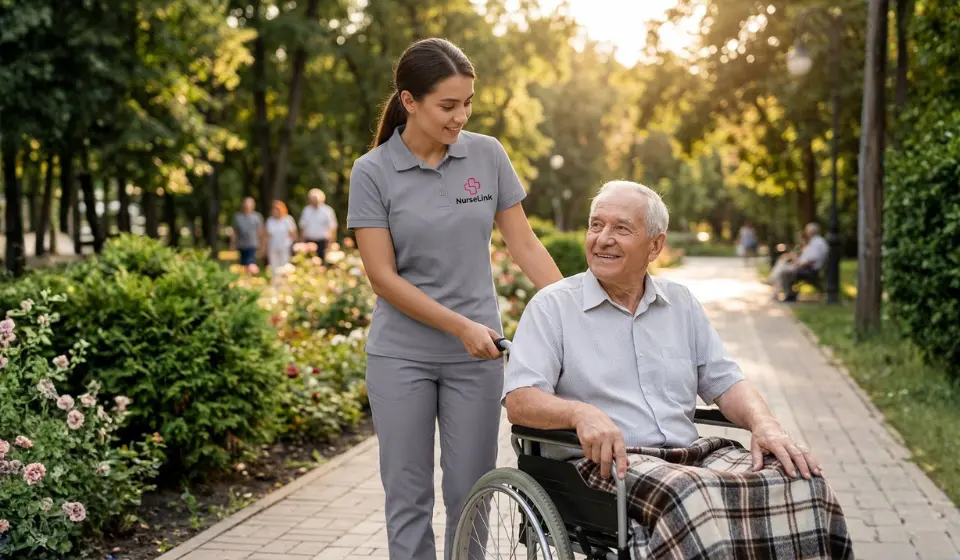
Social participation can also provide opportunities to develop friendships and pursue personal interests. Depending on individual preferences, activities may include attending community groups, sporting programs, classes, cultural events, libraries or recreational activities. These experiences can reduce isolation while providing practical opportunities to build confidence.
Appropriate support can help participants take gradual steps towards greater independence. The level of assistance may change as skills and confidence develop. Most importantly, independence should be defined according to the individual’s own goals rather than a standard expectation. What represents independence for one participant may be different for another.
How Families, Carers, & Support Workers Can Strengthen Social Wellbeing
Families, carers and support workers can strengthen social wellbeing by respecting participant choice, encouraging meaningful connections and helping remove practical barriers to participation. Person-centred support means listening to what the participant wants and providing assistance without unnecessarily taking control.
Helpful approaches include:
- Listening carefully to the participant’s preferences and interests.
- Respecting personal choices about friendships and activities.
- Encouraging participation without forcing social interaction.
- Supporting communication and confidence-building at an appropriate pace.
- Maintaining safe, respectful and professional relationships.
Families and carers may notice changes such as withdrawal, reduced communication or a loss of interest in previously enjoyable activities. These changes can have many possible causes, so they should be approached with sensitivity rather than assumptions.
Support workers can help identify suitable activities, plan participation and address practical barriers such as transport, accessibility or communication challenges. Collaboration between participants, families, carers, support workers and relevant professionals can be valuable when appropriate.
The participant should remain at the centre of decisions about their social life. Supporting someone does not mean deciding which relationships or activities they should have. Instead, good support creates opportunities for choice, connection and participation while respecting privacy, safety and individual preferences.
Key Takeaway
Social support can contribute to better mental wellbeing, greater confidence, stronger relationships and improved quality of life for NDIS participants. The importance of social support in mental health is particularly relevant when disability-related barriers make community participation more difficult. Effective support should be individualised, goal-focused and based on participant choice. NDIS-funded support depends on individual eligibility, disability-related needs and plan arrangements. By identifying meaningful activities and providing appropriate assistance, participants, families and support workers can help create stronger connections and more opportunities for independence.
Frequently Asked Questions
What Does Social Support Mean?
Social support means receiving practical, emotional or community-based assistance that helps a person manage everyday challenges, maintain relationships and participate in meaningful activities. For NDIS participants, social support may involve disability-related assistance with community participation, communication or accessing activities. The specific support required depends on the person’s individual circumstances, goals and disability-related needs.
Why Is Social Support Important For Mental Health?
Social support is important for mental health because meaningful relationships can reduce loneliness, provide encouragement and create a sense of belonging. Regular positive interaction may also support confidence, communication and emotional resilience. For people with disability, appropriate social support can help overcome barriers to participation and create more opportunities for connection, while professional mental health care remains important when clinically required.
What Is Social Support In Mental Health?
Social support in mental health refers to relationships and practical assistance that help a person feel connected, understood and supported. It can include family relationships, friendships, community connections and appropriate support services. For NDIS participants, disability-related support may help people access social opportunities, develop skills and participate in activities that contribute to their personal goals and wellbeing.
How Does Social Support Impact Mental Health?
Social support can impact mental health by reducing social isolation, encouraging positive interactions and providing opportunities to build confidence and belonging. Consistent participation in meaningful activities may also support emotional resilience and quality of life. The effect varies between individuals, so social support should be based on personal preferences, abilities, goals and the type of relationships that feel safe and meaningful.
How Does Lack Of Social Support Affect Health?
A lack of social support can contribute to loneliness, reduced participation and poorer emotional wellbeing. Ongoing isolation may also make it harder for a person to maintain routines, relationships and community involvement. For NDIS participants, identifying barriers to social connection can help families and support workers explore appropriate opportunities for participation, while any significant health or mental health concerns should be discussed with relevant professionals.
What Are The Different Types Of Social Support?
Different types of social support include emotional support, practical assistance, social connection and community participation. Emotional support may involve encouragement and understanding, while practical support can help someone access activities or manage barriers. For NDIS participants, disability-related social and community support may assist with activities, communication, skill development and participation when the support aligns with their individual needs and approved arrangements.