Relearning Independence After A Life-Changing Accident
How NurseLink Healthcare Supported A Young NDIS Participant
A Real-World Example Of Compassionate, Participant-Centred NDIS Support
Introduction
Life can change in a matter of seconds.
For many young Australians living with newly acquired physical disabilities, the hardest part is not always the injury itself. It is learning how to navigate an entirely different version of everyday life afterwards.
Simple routines suddenly become difficult. Independence can feel uncertain. Families often move into caregiving roles overnight without preparation, emotional support or clear direction. Over time, the physical exhaustion, emotional pressure and constant adjustment can begin affecting everyone involved.
This case study explores how NurseLink Healthcare supported a young NDIS participant following a serious motor vehicle accident that resulted in permanent mobility limitations and major changes to his daily independence.
The participant required more than practical assistance. He needed patience, emotional reassurance and a support team capable of helping him adapt to a permanent condition without losing dignity, confidence or personal identity in the process.
Through personalised mobility support, structured daily assistance and compassionate participant-centred care, NurseLink Healthcare helped both the participant and his family transition from survival mode into a more stable and manageable routine.
To protect privacy and confidentiality, the participant’s name and all identifying details have been kept anonymous throughout this case study.
About The Participant
The participant was a twenty-seven-year-old man living with his parents in metropolitan Victoria following a serious car accident that changed his life permanently.
Before the accident, he had been highly independent and physically active. He worked full-time, drove regularly, spent time with friends most weekends and rarely relied on others for support.
The accident resulted in significant lower-body mobility impairment, requiring ongoing physical rehabilitation, mobility assistance and major lifestyle adjustments.
After several months in hospital and rehabilitation services, the participant returned home physically stable but emotionally overwhelmed.
The transition back into daily life proved far more difficult than the family had expected.
Simple activities such as showering, preparing meals, attending appointments and moving safely around the home now required assistance. Everyday routines became exhausting and emotionally frustrating, particularly for someone who had previously valued independence so strongly.
The participant’s parents stepped into full-time caregiving roles almost immediately after his return home.
Initially, they believed they could manage everything themselves.
Over time, however, the emotional and physical pressure became increasingly difficult to sustain.
The Challenges The Family Was Facing
Loss Of Independence
The participant struggled deeply with the sudden loss of independence following the accident.
Tasks that once felt automatic now required planning, physical effort and support from others. This created ongoing frustration and emotional withdrawal, particularly during the early months after returning home.
The participant often expressed guilt about depending so heavily on his parents and found it difficult accepting assistance with personal and mobility-related tasks.
The emotional adjustment to a permanent condition became just as challenging as the physical recovery itself.
Emotional Strain Within The Family
The participant’s parents became his primary carers while also trying to manage work responsibilities, household demands and emotional stress surrounding the accident.
Although they were committed to supporting their son, the pressure gradually affected the entire household.
Sleep routines became inconsistent.
Stress levels increased.
Family members rarely had opportunities to properly rest or emotionally process what had happened.
The participant’s mother later shared that the family had reached a point where they felt emotionally exhausted but also guilty for struggling.
They wanted to support him fully but no longer knew how to do so sustainably on their own.
Reduced Social Connection
Following the accident, the participant gradually became disconnected from social activities and community engagement.
He stopped seeing friends regularly and became reluctant to leave the house unless absolutely necessary.
The emotional impact of adjusting to mobility limitations made public outings feel overwhelming, particularly in unfamiliar or crowded environments.
Over time, isolation began affecting confidence, motivation and emotional wellbeing.
The family became increasingly concerned that the participant was withdrawing not only physically, but emotionally as well.
Why The Family Reached Out To NurseLink Healthcare
The family was introduced to NurseLink Healthcare through an NDIS support coordinator who recognised that the participant required more structured and emotionally supportive care than the family could reasonably provide alone.
During the initial consultation, NurseLink Healthcare focused not only on the participant’s mobility needs, but also on understanding his emotional state, personal goals and concerns about the future.
Rather than treating the situation as a checklist of support tasks, the conversation centred around the participant as an individual.
Key questions included:
- What parts of daily life feel most difficult right now?
- What routines are important to maintain?
- What does independence look like moving forward?
- What situations currently create anxiety or frustration?
- How can support be provided without making the participant feel disempowered?
This participant-focused approach immediately helped the family feel understood and supported.
For the participant himself, it was one of the first times since the accident that he felt people were listening to him beyond the injury.
The Support Strategy Implemented
Building A Consistent Support Relationship
One of the participant’s biggest concerns involved constantly adjusting to unfamiliar support workers.
To reduce anxiety and create emotional stability, NurseLink Healthcare introduced a small and consistent support team rather than rotating multiple workers through shifts.
Support staff were carefully matched based on:
- Personality compatibility
- Communication style
- Emotional awareness
- Experience supporting participants with mobility limitations
- Ability to encourage independence respectfully
This consistency helped trust develop naturally over time.
The participant gradually became more comfortable accepting assistance because support stopped feeling clinical or transactional.
Instead, it began feeling safe, predictable and genuinely supportive.
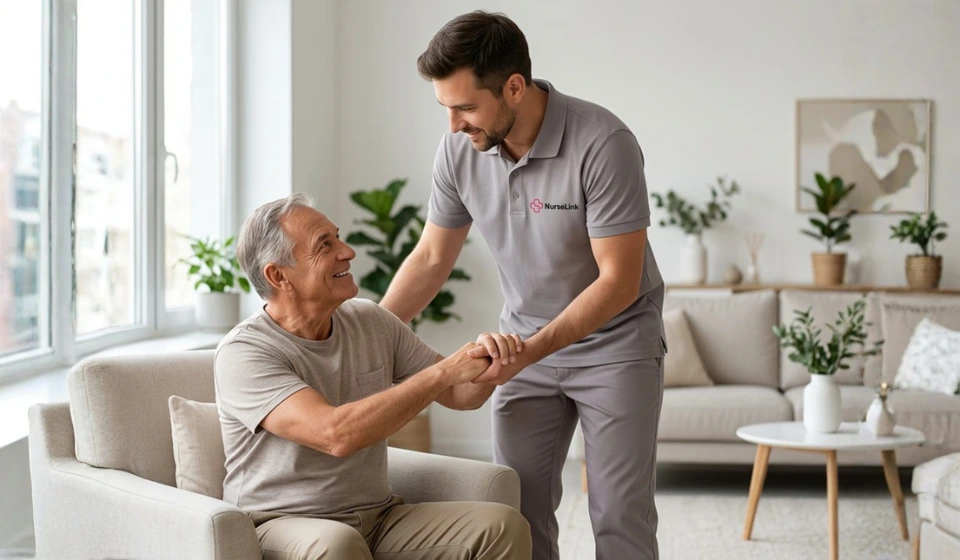
Providing Mobility Assistance
A major focus of the support plan involved helping the participant navigate daily mobility challenges safely while still encouraging as much independence as possible.
Support workers assisted with:
- Safe transfers around the home
- Mobility support during outings
- Appointment attendance
- Transport assistance
- Daily movement routines
- Community access support
Importantly, the approach was never centred around taking over tasks completely.
Support workers focused on helping the participant remain actively involved in routines wherever safely possible, allowing him to retain a stronger sense of control and dignity.
This balance became critical in rebuilding confidence over time.
Supporting Emotional Adjustment
While physical support remained essential, emotional adjustment became an equally important part of the care journey.
The participant experienced ongoing frustration surrounding the permanence of his condition and often struggled with the contrast between his previous lifestyle and his current limitations.
NurseLink Healthcare prioritised emotionally supportive communication and relationship-based care throughout every interaction.
Support workers gave the participant space to express frustration openly without judgement while also encouraging achievable goals and gradual progress.
Small milestones were celebrated consistently.
Over time, this helped shift the participant’s mindset from focusing entirely on what had been lost to slowly adapting to what daily life could still become.
Reducing Pressure On The Family
Another important goal involved reducing the emotional and physical pressure being carried by the participant’s parents.
As structured support became more consistent, family members were finally able to step back from constant caregiving responsibilities and regain healthier routines themselves.
This allowed parents to spend more meaningful quality time with their son rather than functioning solely as carers.
The emotional atmosphere within the household gradually became calmer, more balanced and less overwhelmed by constant crisis management.
Outcomes Achieved
Improved Daily Confidence
Several months into the support arrangement, the participant began showing noticeable improvements in confidence and engagement with daily routines.
Although his physical condition remained permanent, everyday tasks no longer felt as emotionally overwhelming as they had during the early stages after the accident.
The participant became more comfortable participating in decision-making around his routines, support preferences and future goals.
Increased Community Participation
With ongoing mobility support and emotional encouragement, the participant gradually began re-engaging with the community.
He started attending appointments more confidently, participating in social outings again and spending more time outside the home environment.
While progress was gradual, the emotional impact was significant.
The family later shared that simply seeing him willing to reconnect with everyday life again felt like a major turning point.
Reduced Family Burnout
One of the most meaningful outcomes involved the emotional relief experienced by the participant’s parents.
The family no longer felt solely responsible for managing every aspect of care on their own.
Having consistent, reliable and compassionate support in place reduced emotional exhaustion and allowed the household to move away from constant stress and uncertainty.
The participant’s mother later described this shift as “finally being able to breathe again.”
Greater Emotional Stability
Perhaps the most important outcome was the emotional stability created through consistent and compassionate support relationships.
The participant no longer felt isolated in adapting to his condition.
Instead, he had a support team helping him navigate change gradually, respectfully and with dignity.
Reflection From The Family
At the conclusion of the initial support period, the participant’s mother reflected on the experience:
“After the accident, our entire world changed very quickly. We were trying our best, but emotionally we were exhausted and constantly worried about whether we were doing enough.”
“What made the biggest difference was the consistency and compassion. Our son stopped feeling like a patient and slowly started feeling like himself again.”
“For our family, the support brought relief, stability and hope during a very difficult period.”
Key Takeaways From This Case Study
Adjusting To A Permanent Disability Is Both Physical And Emotional
For many participants, the emotional adjustment following a life-changing injury can be just as difficult as the physical recovery process.
Compassionate support relationships play an important role in rebuilding confidence and emotional wellbeing.
Consistency Creates Trust
Participants navigating major life changes often benefit significantly from familiar support workers who understand their routines, preferences and emotional needs.
Consistency helps reduce anxiety and creates a greater sense of safety and stability.
Supporting Families Matters Too
Family members frequently carry enormous emotional and physical pressure when supporting loved ones with newly acquired disabilities.
Reliable NDIS support can reduce burnout and create healthier long-term care environments for everyone involved.
Independence Can Still Exist With Support
Adapting to a permanent condition does not mean losing identity, dignity or control.
The right support approach focuses on enabling participation, confidence and meaningful independence wherever possible.
Conclusion
Life after a serious accident can feel uncertain for both participants and the families supporting them.
For this young NDIS participant, the journey was not about returning to the life he had before. It was about learning how to adapt to a new reality while still maintaining confidence, dignity and connection to the world around him.
Through compassionate mobility support, consistent care relationships and participant-centred assistance, NurseLink Healthcare helped create a more stable and supportive path forward for both the participant and his family.
Every participant’s journey is different, which is why meaningful care begins with understanding the individual behind the support plan.
If you or your loved one are looking for reliable and compassionate NDIS support services, NurseLink Healthcare is here to help.
Latest Post
When Parents Learned to Trust NDIS Support
The Life He Thought The Accident Had Collapsed
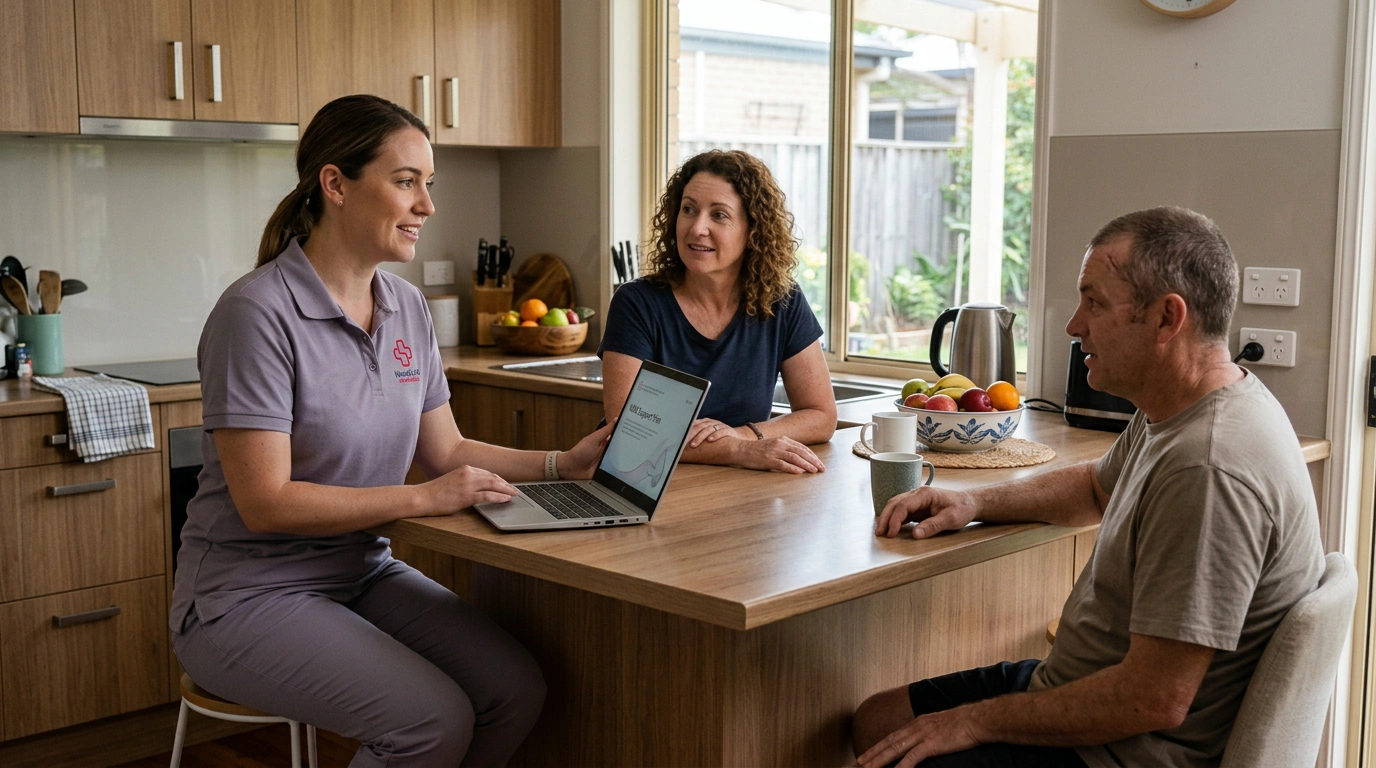
Someone Finally Holding The Whole Picture
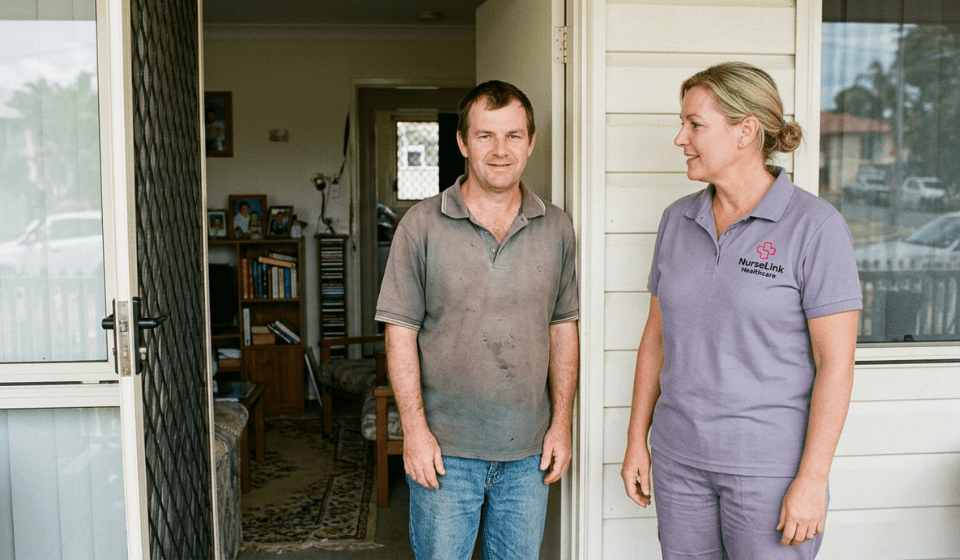
A Home That Was Finally His Own
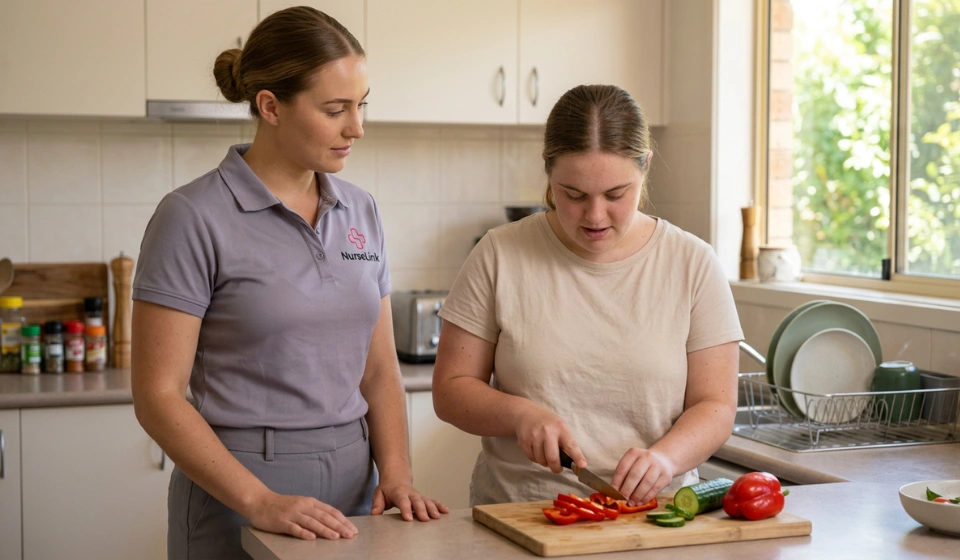
Learning To Do It Herself, With Someone Beside Her
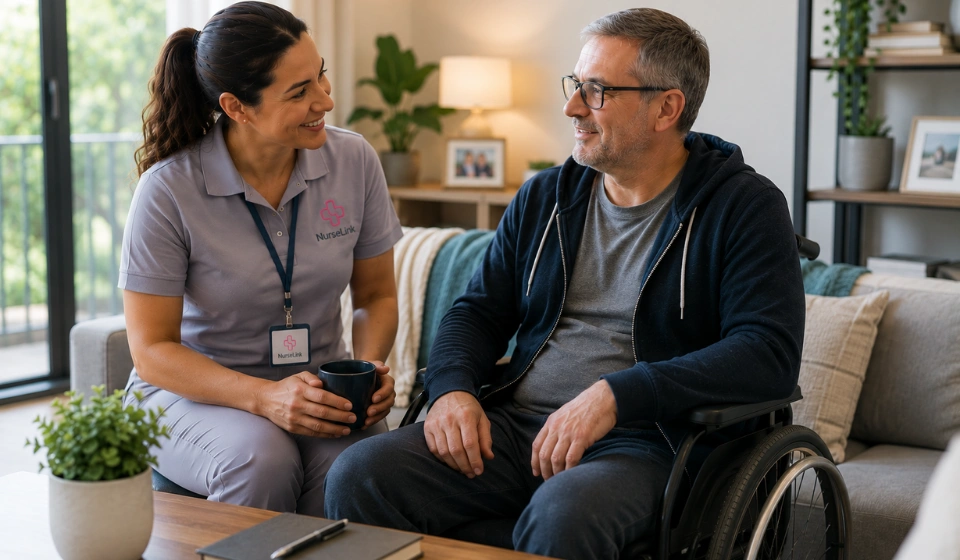
What Was Still Possible
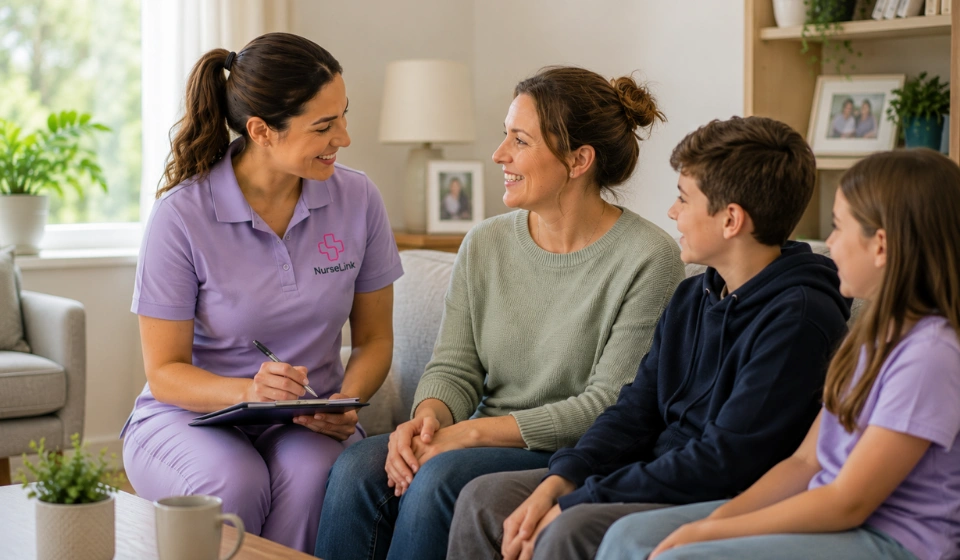
Finding Her Way Back To Her Own Kitchen Table
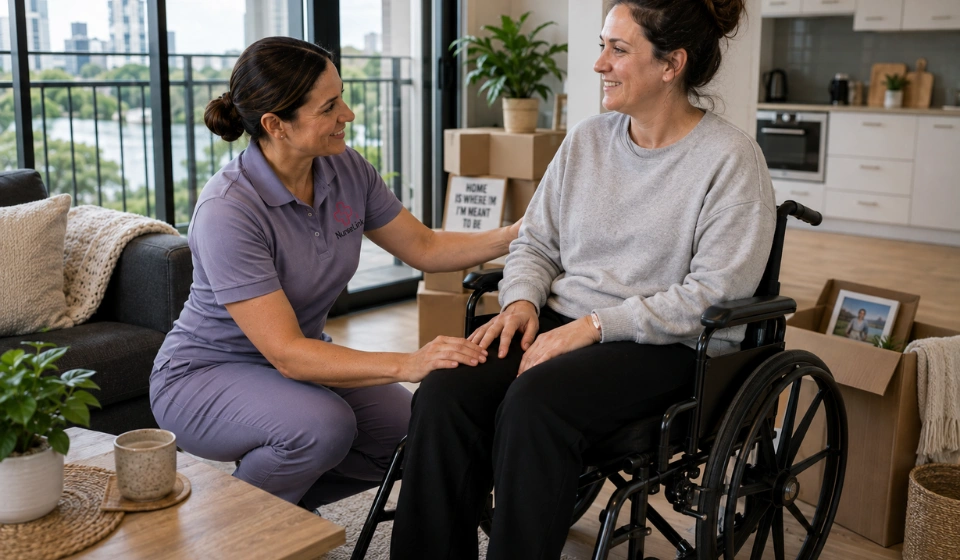
From Aged Care To Her Own Front Door
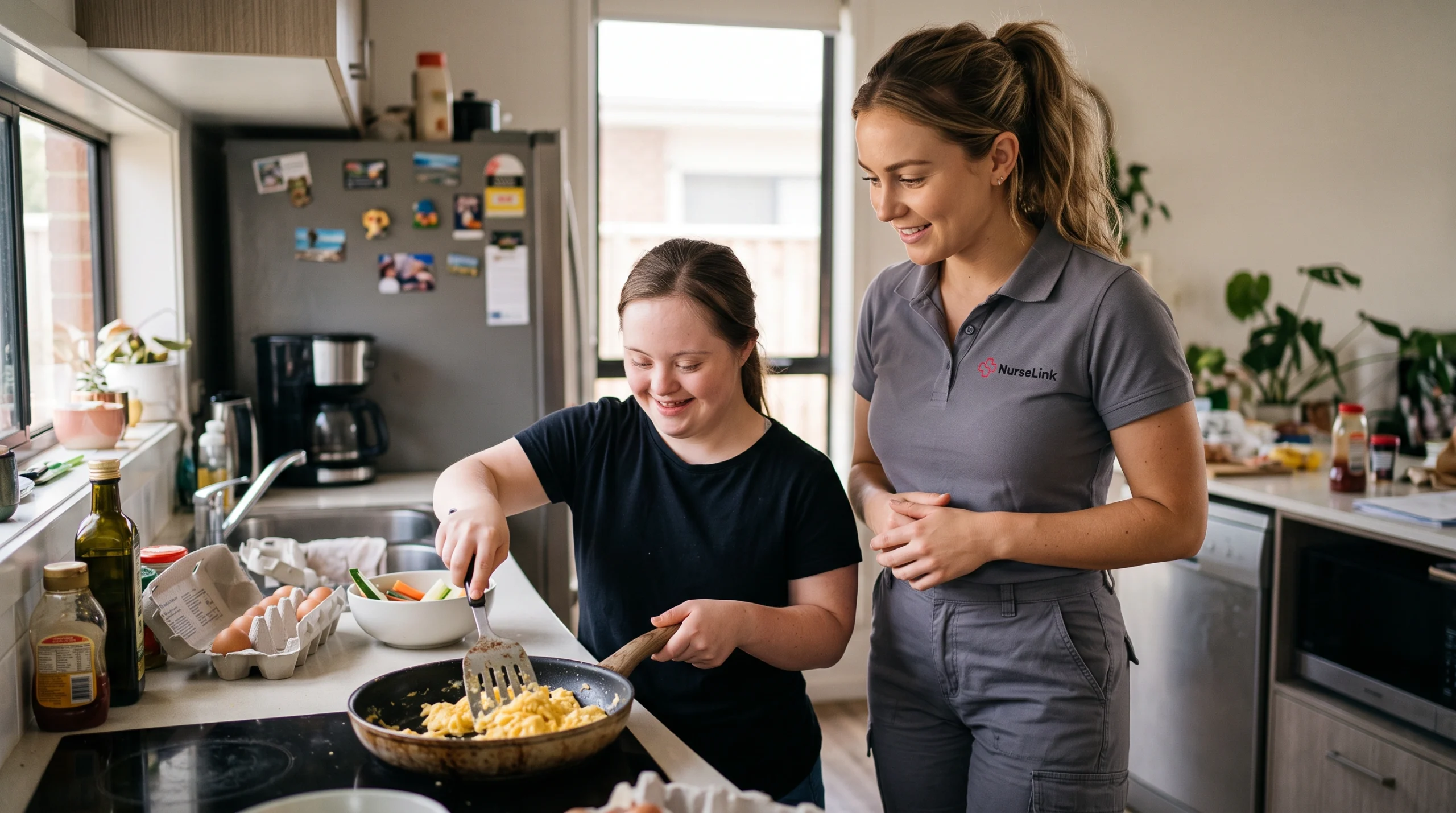
She Was Ready. We Helped Her Get There.
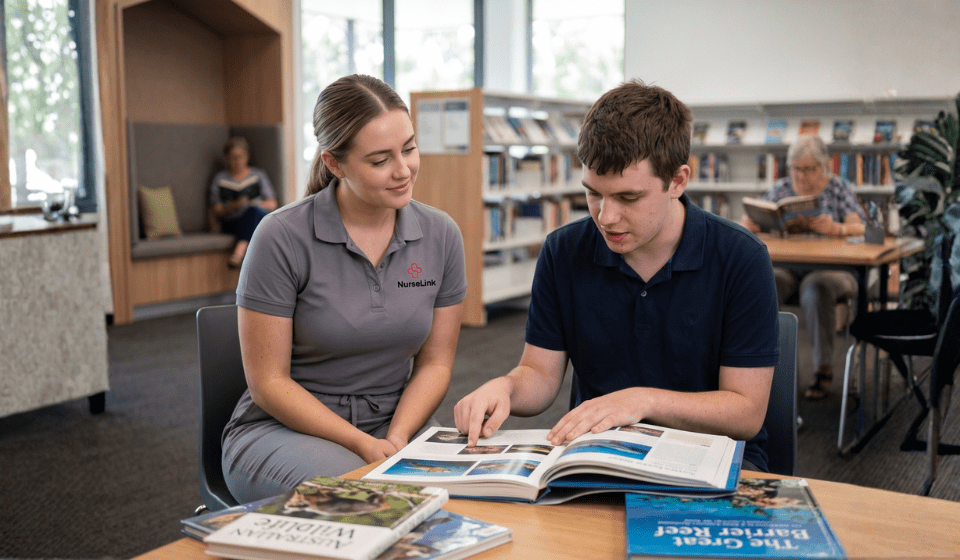
Room To Breathe
The Man He Was Getting Back To
They Did Not Give Up On Him
Returning To Community Life
Rebuilding Independence After A Diabetes-Related Amputation
Cooking By Heart
The World Beyond The Front Door
Finding Home Again After A Stroke
Relearning Independence After A Life-Changing Accident
Beyond The Diagnosis
Two Years In Care. One Giant Step Toward Home.
When Transport Barriers Disrupted NDIS Care
Supported Independent Living Success
A Journey Towards Independence With NDIS Support
Daniel’s Journey