Smith-Magenis syndrome is a genetic developmental condition that can affect people throughout their lives. Individuals may experience learning difficulties, speech delays, behavioural differences, sleep disturbances and physical health challenges. The severity and combination of symptoms vary, so each person requires an individualised approach to care.
Understanding the condition is important for families, carers and healthcare professionals. Early diagnosis, appropriate therapies and a supportive environment can help individuals develop essential skills, manage behavioural challenges and participate in everyday activities. With consistent support, people with SMS can work towards greater independence and a better quality of life.
What Is Smith-Magenis Syndrome & What Causes It?
Smith-Magenis syndrome is a rare genetic condition caused by a change involving chromosome 17, particularly the RAI1 gene. It affects development, behaviour, sleep patterns and physical health. The condition is usually present from birth, although symptoms may become more noticeable as a child grows.
The main Smith-Magenis syndrome causes include:
- Chromosome 17 Deletion: Most cases involve a small missing section of chromosome 17, known as 17p11.2. This deletion usually includes the RAI1 gene and other nearby genes.
- RAI1 Gene Variation: Some individuals have a disease-causing variation in the RAI1 gene without a larger chromosome deletion. This gene plays an important role in regulating development and biological processes.
- Spontaneous Genetic Changes: Most cases occur because of a new genetic change that develops during the formation of reproductive cells or early development. These changes are usually not inherited from parents.
- Rare Inherited Cases: In uncommon circumstances, the genetic change may be inherited from a parent who has SMS or has a genetic alteration without obvious symptoms.
- Effects On Development: Changes involving RAI1 affect several developmental processes, which can contribute to learning difficulties, distinctive physical features, behavioural differences and disrupted sleep patterns.
SMS is not caused by parenting, lifestyle or environmental factors. Genetic counselling can help families understand the condition and discuss the likelihood of it occurring in future pregnancies.
What Are The Common Signs & Symptoms Of Smith-Magenis Syndrome?
Smith-Magenis syndrome symptoms can affect physical development, communication, behaviour, learning and sleep. Some characteristics appear during infancy, while others become more noticeable during childhood. Not everyone experiences the same symptoms or requires the same level of support.
Common signs and symptoms include:
- Developmental Delays & Learning Difficulties: Children may take longer to develop motor skills, understand instructions or learn new tasks. Some individuals have intellectual disabilities and need additional educational support.
- Speech & Language Challenges: Speech development is often delayed, and some individuals have difficulty expressing their needs or understanding complex instructions. Speech therapy and alternative communication methods may help.
- Behavioural Differences: Emotional outbursts, impulsivity, attention difficulties, repetitive behaviours and self-injury can occur. Changes in routine or difficulty communicating may contribute to distress.
- Sleep Disturbances: Disrupted sleep is a common feature. Individuals may wake frequently, experience early morning waking or have an altered sleep-wake cycle, which can also affect family routines.
- Physical & Health-Related Symptoms: Some individuals have low muscle tone, distinctive facial features, feeding difficulties, scoliosis, hearing problems or childhood-onset obesity.
The symptoms and their severity can differ considerably between individuals. Some people need substantial daily assistance, while others can develop greater independence with appropriate therapies, education and ongoing support.
How Is Smith-Magenis Syndrome Diagnosed?
Smith-Magenis syndrome is diagnosed through clinical assessments and genetic testing. Early identification is important because it allows families to access appropriate therapies, educational support and medical care.
The diagnostic process generally includes:
- Recognising Early Signs: Developmental delays, unusual sleep patterns, behavioural differences and distinctive physical features may prompt a healthcare professional to investigate SMS.
- Developmental & Medical Assessments: Paediatricians assess growth, communication, behaviour, motor skills and medical history to identify characteristics associated with the condition.
- Genetic Testing: Chromosomal microarray testing can identify missing sections of chromosome 17. If no deletion is found, testing of the RAI1 gene may identify a disease-causing variation.
- Specialist Involvement: Paediatricians, clinical geneticists, psychologists and other healthcare professionals may contribute to diagnosis and ongoing care.
Genetic testing confirms the diagnosis and helps distinguish SMS from other developmental conditions. Once diagnosed, regular assessments help identify changing health, educational and support needs.
How Is Smith-Magenis Syndrome Managed & Treated?
There is currently no cure for Smith-Magenis syndrome, but personalised treatment and supportive therapies can help manage symptoms and improve daily functioning. Care focuses on addressing individual challenges rather than treating the genetic condition itself.
Management usually involves several healthcare professionals working together. The treatment plan may change as a person grows and their needs develop.
Common management approaches include:
- Behavioural Therapy: Behavioural strategies can help individuals manage emotional outbursts, develop communication skills and establish positive routines. Identifying triggers can also help carers respond consistently.
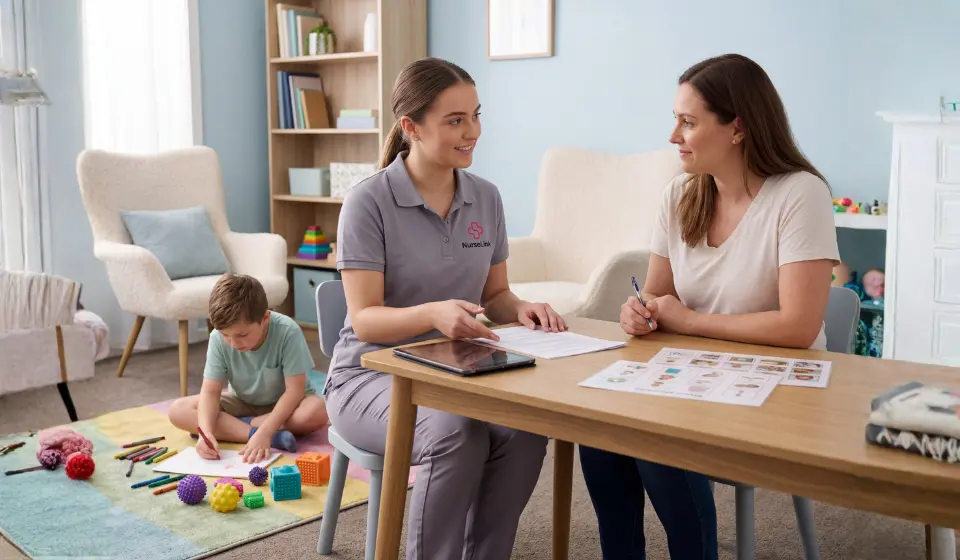
- Speech & Language Therapy: Speech therapists support communication development through language exercises, visual aids and alternative communication methods when needed.
- Occupational Therapy: Occupational therapists help individuals develop daily living skills, improve coordination and manage sensory difficulties. They may recommend practical adaptations for home and school.
- Sleep Management: Sleep specialists can assess disrupted sleep patterns and recommend appropriate routines or medical treatment. Melatonin and other prescribed medicines may be considered under specialist supervision.
- Medical Management: Regular healthcare reviews help monitor associated conditions, including scoliosis, obesity, hearing difficulties, seizures and thyroid problems.
There is no single treatment suitable for everyone. A multidisciplinary team can coordinate therapies, monitor progress and adjust care as an individual’s needs change
Living With Smith-Magenis Syndrome: Support For Individuals & Families
Living with Smith-Magenis syndrome can present challenges for individuals and their families, particularly when managing communication difficulties, disrupted sleep and behavioural changes. Consistent routines, personalised support and access to appropriate services can help improve daily life.
Families and carers can support individuals in several practical ways:
- Establish Structured Routines: Predictable daily schedules, visual reminders and clear instructions can help individuals understand expectations and manage transitions.
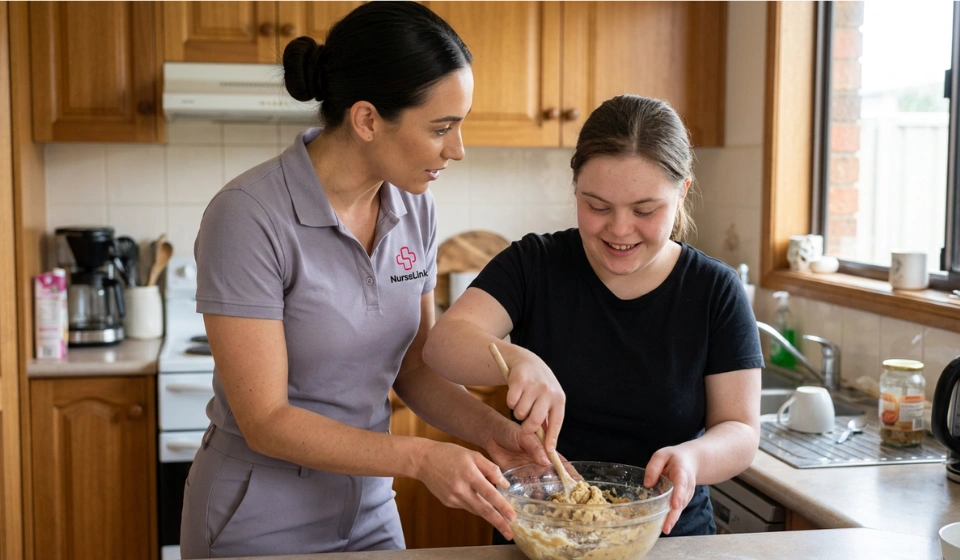
- Encourage Independence: Practising everyday tasks, such as dressing, preparing simple meals and personal hygiene, can help develop confidence and functional skills.
- Provide Emotional Support: Patient communication, reassurance and positive reinforcement can help individuals manage frustration and express their feelings.
- Support Education: Individualised learning plans, classroom adjustments and communication support can help children participate in educational activities.
- Encourage Social Participation: Family activities, community programs and supported recreation can provide opportunities to develop relationships and communication skills.
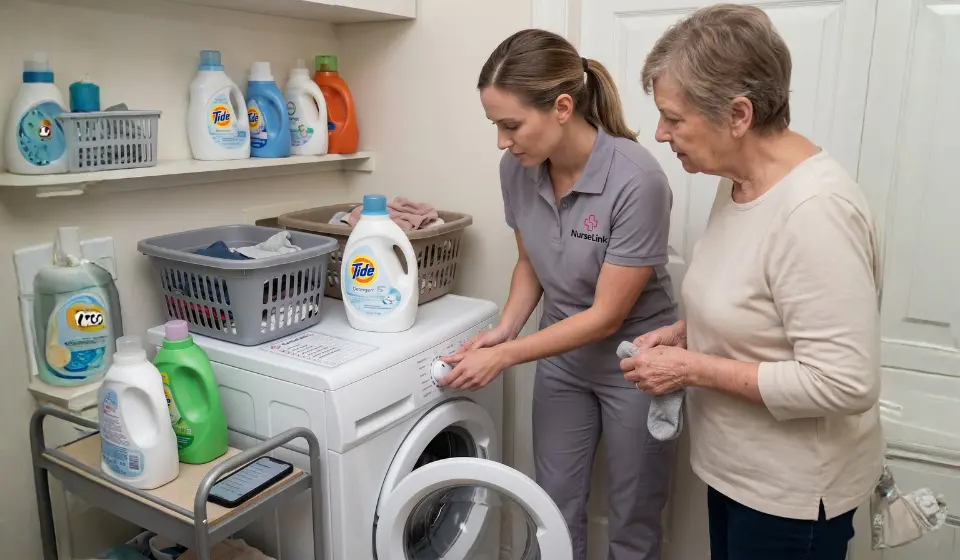
In Australia, eligible individuals may access the National Disability Insurance Scheme (NDIS), which provides funding for reasonable and necessary disability-related supports. Depending on their approved plan, this may include occupational therapy, speech therapy, assistance with daily living and community participation.
Families may also benefit from respite care, counselling and support groups. Regular communication between families, educators and healthcare professionals helps maintain consistent support across different environments.
Conclusion
Smith-Magenis syndrome is a lifelong genetic condition that can affect development, behaviour, sleep and physical health. Although there is no cure, early diagnosis, personalised therapies and ongoing medical care can help individuals manage symptoms and develop essential life skills. With appropriate family involvement, healthcare and disability support, people with SMS can work towards greater independence, meaningful participation and improved quality of life.
Frequently Asked Questions
What Is Smith-Magenis Syndrome?
Smith-Magenis syndrome is a rare genetic condition caused by a deletion on chromosome 17 or a disease-causing variation in the RAI1 gene. It can affect intellectual development, speech, behaviour, physical characteristics and sleep. Symptoms vary between individuals, and personalised healthcare and educational support can help manage the condition.
Are There Any Treatments Or Cures For Smith-Magenis Syndrome?
There is currently no cure for Smith-Magenis syndrome. However, treatments such as speech therapy, occupational therapy, behavioural support and specialist sleep management can help manage symptoms. Regular medical assessments are also important for identifying associated health conditions and adapting treatment to an individual’s changing needs.
Can Smith-Magenis Syndrome Be Prevented?
Smith-Magenis syndrome generally cannot be prevented because it usually results from a spontaneous genetic change. It is not caused by lifestyle, parenting or environmental factors. Genetic counselling can help families understand inherited risks and discuss available testing options when planning a pregnancy.
Are There Prenatal Tests For Smith-Magenis Syndrome?
Yes. Prenatal genetic testing may be available when a family has a known genetic change associated with Smith-Magenis syndrome. Diagnostic tests, such as chorionic villus sampling or amniocentesis, can identify certain genetic changes. A clinical geneticist can explain the benefits, limitations and risks of testing.
What Are The Risk Factors For Smith-Magenis Syndrome?
Most cases occur spontaneously, so there are no established lifestyle-related risk factors. Rarely, the condition can be inherited from a parent carrying the relevant genetic change. Families with a history of SMS can consult a genetic counsellor to understand inheritance patterns and potential risks for future pregnancies.
What Exercises Help With Smith-Magenis Syndrome?
Physiotherapy exercises can help individuals with Smith-Magenis syndrome improve strength, balance, coordination and mobility. Activities such as supervised walking, stretching and age-appropriate movement exercises may be included in an individualised plan. A physiotherapist should recommend suitable exercises based on the person’s abilities and health needs.
What Is The Treatment For Smith-Magenis Syndrome?
Treatment focuses on managing symptoms and supporting development rather than curing the genetic condition. Depending on individual needs, care may include behavioural therapy, speech therapy, occupational therapy, sleep management and regular medical monitoring. A multidisciplinary healthcare team can coordinate these services and review progress over time.