Supported Independent Living (SIL) and Specialist Disability Accommodation (SDA) are two different types of support available through the National Disability Insurance Scheme (NDIS). They are often confused because some people may use both when their individual circumstances require specialised housing alongside daily assistance. However, they serve different purposes. SIL is primarily focused on the support a person receives to manage everyday life and build independence, while SDA relates to specialist housing designed for people with significant disability related housing needs. Understanding the difference between SIL and SDA can help participants and their families make more informed decisions about where they live, what support they receive and how those arrangements align with their NDIS goals.
What Are SIL & SDA In The NDIS?
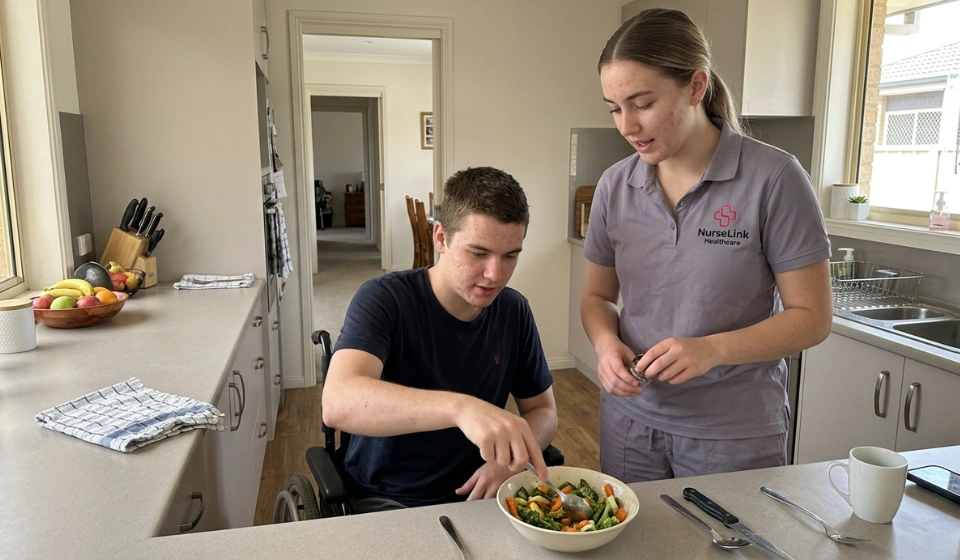
SIL, or Supported Independent Living, provides assistance for eligible NDIS participants who need ongoing support with everyday tasks and developing their independence. Depending on a person’s needs and approved funding, support may include personal routines, household activities, meal preparation, community participation and developing practical living skills. The aim is to help people live as independently as possible while receiving the assistance they need.
SDA, or Specialist Disability Accommodation, is different because it relates to the physical home rather than the day to day support delivered to the person. SDA properties are specially designed or modified to accommodate people with significant functional impairment or very high support needs. SDA funding generally contributes towards the cost of the specialist accommodation, rather than paying for personal care or daily living assistance.
Key points to understand include:
- SIL provides support with everyday living and building independence.
- SDA provides specialist housing designed around disability related needs.
- SIL and SDA are separate NDIS supports with different eligibility requirements.
- SDA does not generally cover the personal support a participant needs inside their home.
- A participant may receive SIL, SDA, both or neither, depending on their individual circumstances and NDIS plan.
Key Differences Between SIL & SDA
The main distinction in SIL vs SDA is straightforward: SIL is about the support a person receives, while SDA is about the specialist environment in which an eligible participant lives. SIL may involve support workers assisting with daily routines, personal tasks, household activities or skill development. SDA, on the other hand, relates to the design and features of a specialist home.
The providers involved can also be different. A SIL provider generally delivers or coordinates support services, while SDA is connected to specialist accommodation and its provider or housing arrangements. These supports can work together, but they are not automatically linked. Someone may live in SDA and receive support from a separate SIL provider, depending on their plan and preferences.
SIL Vs SDA At A Glance
A simple example can make the distinction clearer. Imagine a participant lives in a specially designed home with accessible features that make it easier and safer for them to move around. The SDA relates to that specialist home. If support workers then assist the participant with cooking, personal routines, household tasks or developing independent living skills, those services may fall under SIL.
This means the two supports address different needs, even when they are used together.
What Does SIL Support Include?
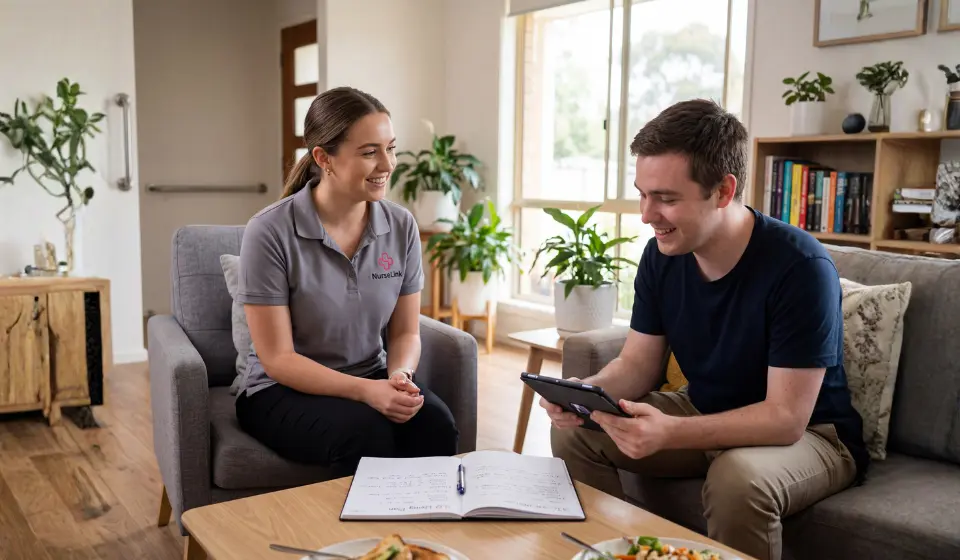
SIL can assist eligible participants who require regular support to live independently or with other people. The specific assistance depends on an individual’s NDIS plan, goals and level of support required. Understanding how does SIL work is particularly useful for participants considering whether supported living could suit their circumstances.
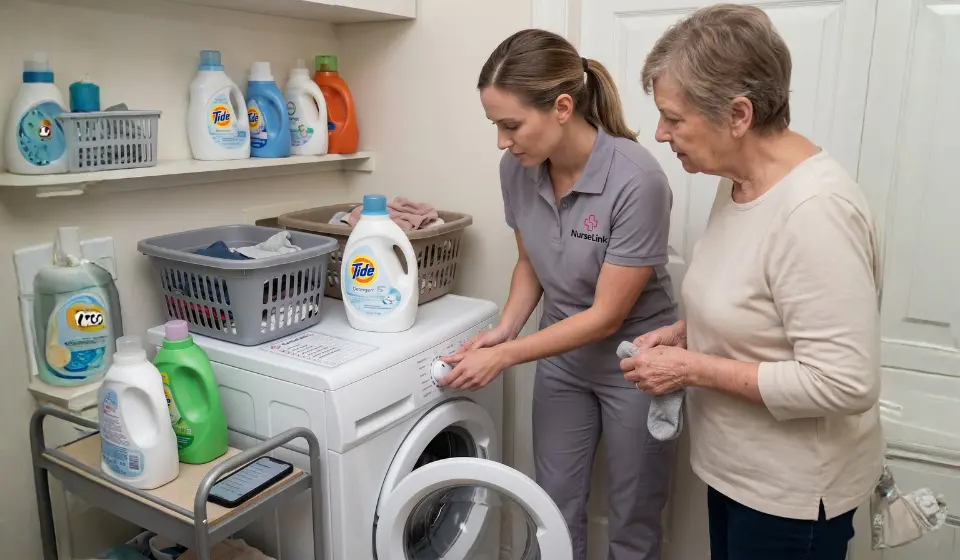
Support may involve personal routines, preparing meals, cleaning, laundry, shopping and other household activities. It may also include assistance with accessing the community, developing practical skills and participating in activities that are important to the participant.
The goal is not simply to complete tasks for someone. Where appropriate, SIL can focus on helping a person develop the confidence and skills to do more for themselves.
How SIL Can Support Independent Living
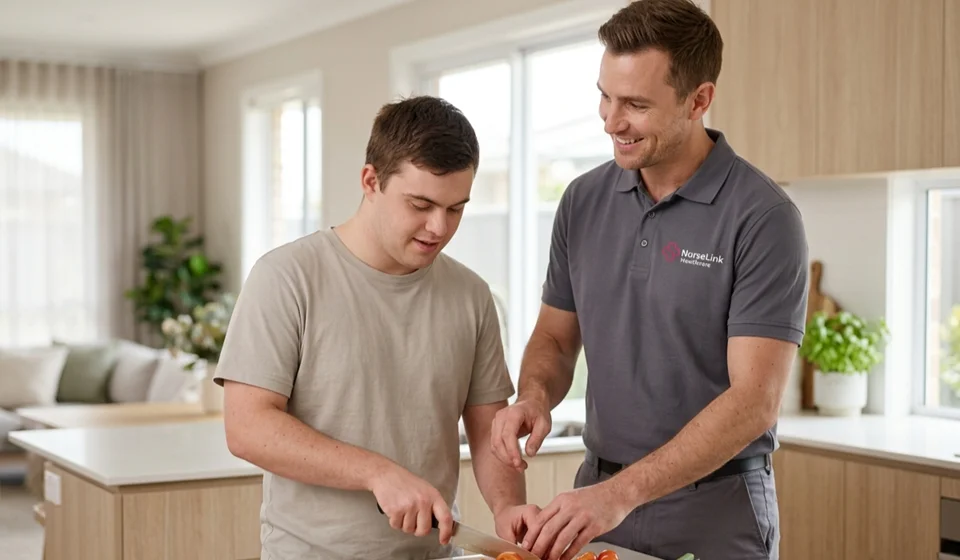
The sil benefits can extend beyond practical assistance. A well planned support arrangement can help a participant establish routines, develop new skills and make decisions about their everyday life. For example, a support worker might assist someone to learn how to prepare meals, manage household responsibilities or plan a shopping trip rather than simply completing these activities on their behalf.
Support should be person centred and reflect the participant’s preferences and goals. The level of assistance can also change as needs develop. Some people may require substantial daily support, while others may need assistance with particular tasks or at specific times.
What Does SDA Provide?
SDA provides specialist accommodation for eligible NDIS participants who have significant functional impairment or very high support needs and meet the relevant NDIS requirements. The properties are designed with features that can make everyday living safer, more accessible and more suitable for people with particular disability related requirements.
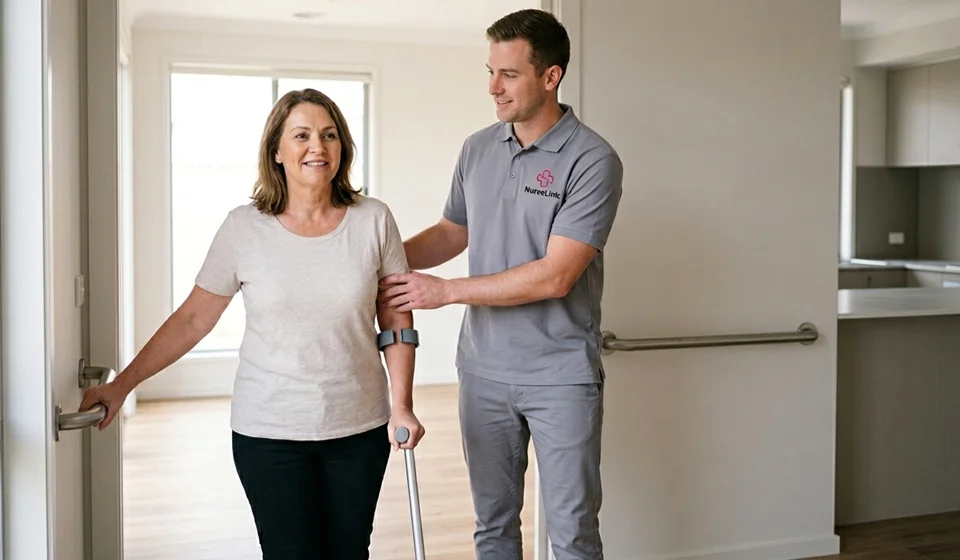
Depending on the property and design category, features may include improved accessibility, wider doorways, accessible bathrooms, specialised layouts, assistive technology or other modifications. SDA homes are generally designed around particular levels of accessibility and support needs.
SDA design categories include Improved Liveability, Fully Accessible, High Physical Support and Robust. Each category has different design characteristics, allowing specialist accommodation to address varying needs.
It is important to understand that SDA funding is primarily associated with the accommodation. It does not generally pay for the day to day personal support a participant may require. Those supports may be funded separately through other parts of an NDIS plan.
Who May Be Eligible For SDA?
SDA is intended for a specific group of NDIS participants who meet eligibility requirements. Eligibility is generally connected to having significant functional impairment or very high support needs and demonstrating that specialist housing is appropriate to the person’s circumstances.
Eligibility is determined through the NDIS based on an individual’s needs and circumstances. Participants should therefore avoid assuming that needing accessible housing automatically means they qualify for SDA funding.
SIL Vs SDA: Which Option Is Better For You?
There is no universally better option because SIL and SDA are designed to address different needs. Asking which one is right depends on what a participant requires from both their living environment and their day to day support.
SIL may be more relevant for someone who needs regular assistance with everyday activities or wants support to develop greater independence. SDA may be appropriate for an eligible participant whose disability related needs cannot be adequately addressed through standard housing. In some circumstances, both may work together, with SDA providing the specialist home and SIL providing the practical support.
Questions To Consider Before Choosing
Before exploring options, participants and families can consider:
- What level of daily assistance do I need?
- Do I require specialist housing features?
- What are my independence and living goals?
- Would shared or individual living arrangements suit me?
- What location, accessibility and lifestyle features are important to me?
- What support is already included in my NDIS plan?
Considering these questions can help create a clearer picture of the type of accommodation and support that may be appropriate.
How To Choose The Right NDIS Support & Accommodation
Choosing an NDIS living arrangement should begin with the person’s individual needs, preferences and goals rather than simply selecting a funding category. A suitable arrangement should consider practical support requirements as well as privacy, independence, accessibility, location and quality of life.
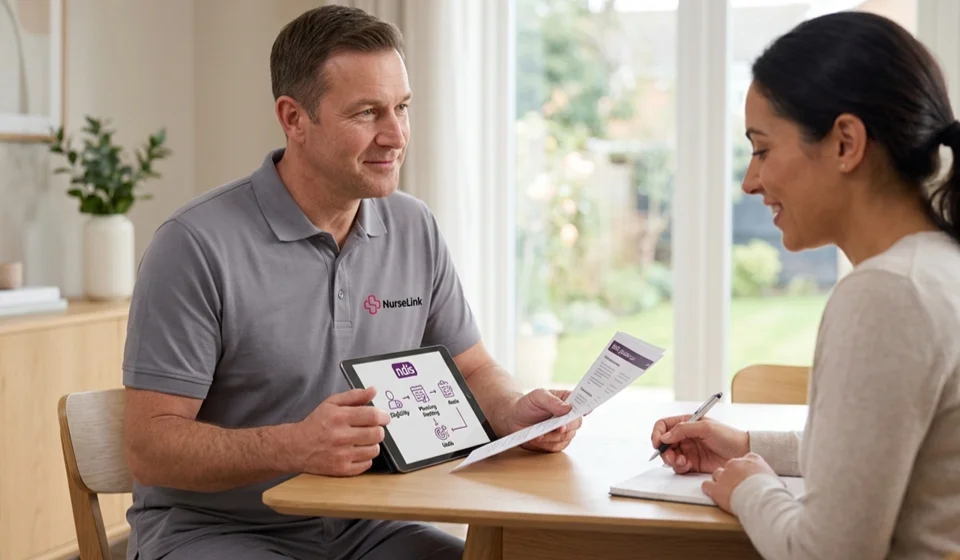
It is also important to understand exactly what is included in accommodation and support arrangements. Speaking with an NDIS planner, support coordinator or appropriate provider can help participants understand their options and identify services that align with their approved supports.
When comparing options, consider:
- Review the NDIS plan: Check what supports and funding have been approved and how they relate to your goals.
- Consider the location: Think about proximity to family, healthcare, work, education, community facilities and other important places.
- Assess accessibility: Consider whether the property and its features meet current and potential future needs.
- Understand the support arrangement: Ask what assistance is available, when it is provided and whether it can adapt as needs change.
- Prioritise choice and quality: Look for providers that respect safety, dignity, individual preferences and person centred care.
A good support arrangement should help the participant feel comfortable, respected and involved in decisions about their own life.
Key Takeaways
SIL provides support with daily living and developing independence, while SDA provides specialist disability accommodation for eligible NDIS participants with significant housing needs. They are separate supports, but they can work together when both are appropriate. The right option depends on an individual’s disability related needs, housing requirements, goals and approved NDIS funding. Understanding how does SDA work alongside other supports and seeking appropriate NDIS guidance can help participants and families compare their options and make informed decisions about accommodation and care.