Psychosocial disability describes functional difficulties resulting from the effects of a mental health condition. It can affect daily living, relationships, employment, education and independence. Understanding psychosocial disability meaning is important because the NDIS considers how a person’s condition affects their ability to function, rather than relying on a mental health diagnosis alone.
What Causes Psychosocial Disability?
Psychosocial disability can develop when the effects of a mental health condition significantly interfere with everyday activities or community participation. Conditions commonly associated with psychosocial disability include schizophrenia, bipolar disorder, severe depression, anxiety disorders and post-traumatic stress disorder. However, having one of these conditions does not automatically mean a person has a psychosocial disability.
The Causes of psychosocial disability can include persistent or recurring symptoms that affect concentration, motivation, communication, emotional regulation, decision-making or social interaction. Social and environmental circumstances can also contribute to functional difficulties. Because everyone’s experience is different, professional assessment is important for understanding functional limitations and identifying appropriate support.
How Can The NDIS Support People With Psychosocial Disability?
The NDIS can support eligible people with psychosocial disability by funding reasonable and necessary disability-related supports that align with their individual goals. NDIS funding is personalised rather than identical for every participant. Depending on individual needs and plan funding, supports may help develop skills, manage daily activities, participate in the community and increase independence.
Building Independence Through Capacity Building Supports
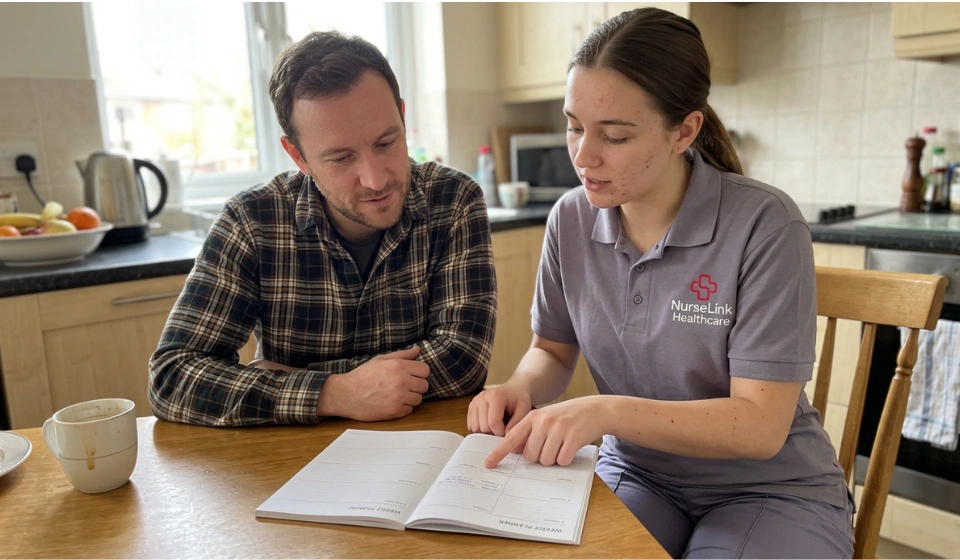
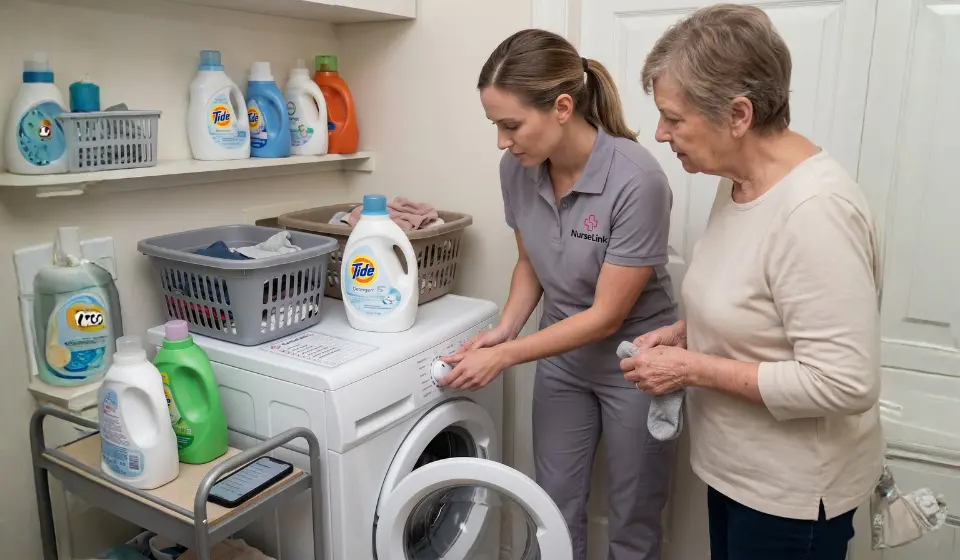
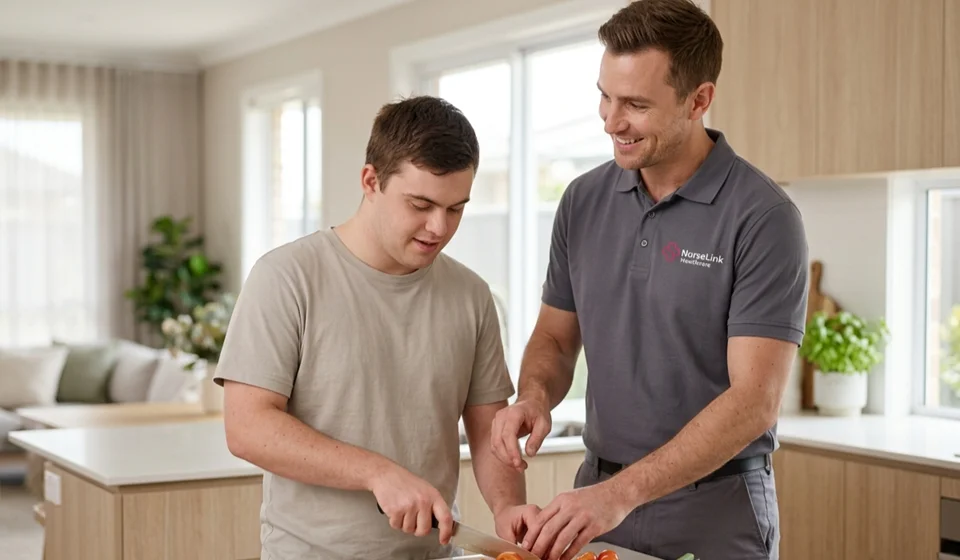
Capacity building supports help participants develop skills and confidence to manage everyday activities more independently. This may involve establishing routines, managing household tasks, improving decision-making and developing social and community participation skills.
For someone experiencing Psychosocial disability symptoms, practical and consistent assistance can help them develop strategies for managing everyday challenges. The focus can be on building capability and confidence while supporting greater choice and independence.
Support & Guidance From Psychosocial Recovery Coaches
A psychosocial recovery coach supports eligible NDIS participants to manage the effects of psychosocial disability and work towards personal recovery goals. They can help participants develop self-management strategies, understand available supports and identify practical steps towards greater independence.
Recovery coaches may also assist participants in connecting with community services and strengthening their support networks. Their approach should reflect the participant’s preferences, strengths and goals.
Connecting You With Allied Health Professionals
Allied health professionals provide specialised assessments, therapeutic support and practical strategies for disability-related functional difficulties. Depending on individual circumstances, these professionals may include occupational therapists, psychologists and speech pathologists.
For example, an occupational therapist can assess difficulties with everyday activities and recommend strategies or equipment that may improve independence. Allied health support can complement other NDIS services by addressing challenges involving routines, communication, self-management and participation.
Funding Assistive Technologies
Assistive technology includes devices, equipment or systems that help a person communicate, complete activities, remain safe or live more independently. Where appropriate and funded under an individual’s plan, technology may assist with communication, organisation, personal care and everyday tasks.
Examples may include communication devices, reminder systems and specialised applications. Suitable assistive technology can reduce barriers and make everyday activities easier and safer.
Who Is Eligible for NDIS Support for Psychosocial Disability?
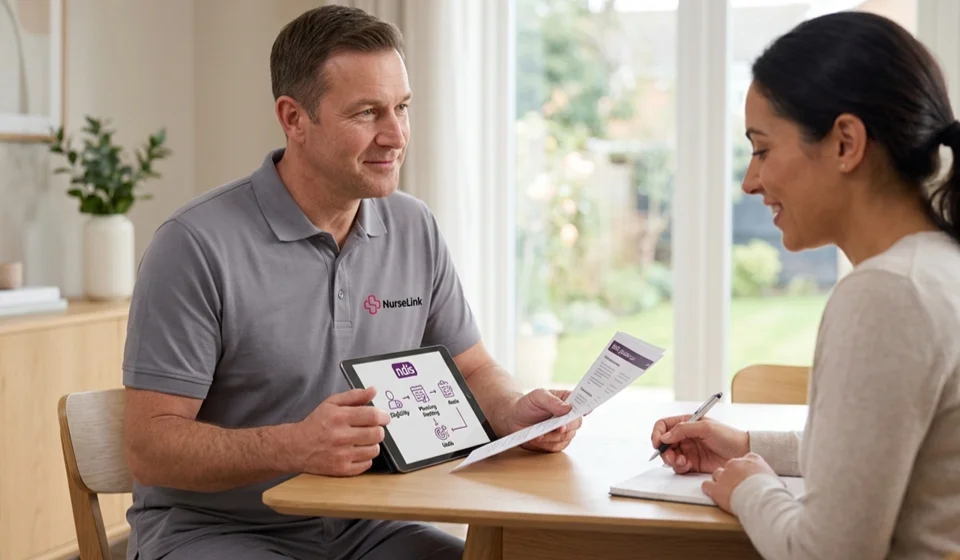
People may access NDIS support for psychosocial disability if they meet the scheme’s eligibility requirements, including requirements relating to disability, age and residency. A mental health diagnosis alone does not automatically qualify someone for the NDIS. The NDIS considers the extent to which a person’s impairment affects their functional capacity.
Relevant evidence from doctors, psychologists, occupational therapists or other qualified professionals may help explain a person’s functional limitations and support needs. If you are asking, “can i get ndis for mental health?”, eligibility depends on your circumstances and whether you meet the applicable NDIS requirements.
Key considerations include:
- Meeting relevant age and residency requirements.
- Having a permanent or likely permanent impairment that meets disability requirements.
- Demonstrating substantial functional impact on everyday activities.
- Providing relevant medical, clinical or allied health evidence where required.
- Showing that requested supports relate to disability and meet NDIS requirements.
People considering an application can obtain information from the NDIS or seek assistance from an NDIS partner or appropriately qualified professional.
How Does The NDIS Handle Episodic Conditions?
People with episodic mental health conditions may be able to access NDIS support if they meet the relevant eligibility requirements and demonstrate ongoing functional impact. Episodic conditions involve symptoms that fluctuate, with periods where a person may function relatively well and other periods where additional support is required.
For example, someone may independently manage daily activities during stable periods but experience significant difficulties during an episode. Therefore, their support needs should be considered over time rather than only during periods when symptoms are less severe.
Professional evidence can help explain how often episodes occur, their duration and their effect on daily functioning. Support requirements can change over time, making individualised planning important for people living with episodic psychosocial disability.
Benefits Of NDIS Support For Psychosocial Disabilities
NDIS support can help eligible people with psychosocial disabilities build independence, manage daily activities and participate more actively in their communities. The benefits depend on individual goals, circumstances and funded supports, but appropriate assistance can help address barriers and develop practical skills.
Potential benefits include:
- Greater independence with everyday activities
- Improved daily routines and self-management
- Increased confidence and decision-making skills
- Better social and community participation
- Access to specialised professional support
- Progress towards personal, education or employment goals
- Greater choice and control over support
- Support for ongoing independence and recovery
The principles of psychosocial support Less than a one-size-fits-all approach, effective support should recognise individual strengths, preferences, goals and circumstances. Psychosocial support types can include recovery coaching, capacity building, allied health services, community participation assistance and assistive technology, depending on individual needs and plan funding.
How NurseLink Healthcare Services Helps You Thrive
NurseLink Healthcare provides person-centred NDIS and homecare services tailored to individual needs, preferences and goals. Our experienced team can assist with daily living, practical skill development, community participation and social activities while helping participants build confidence and independence. We work alongside participants, families, carers and other professionals and can adapt support as circumstances change. For people seeking psychosocial disability support, choosing appropriate assistance can be an important step towards safer, more independent and meaningful living.
Frequently Asked Questions
Does NDIS cover mental health?
The NDIS can support eligible people whose mental health condition results in a permanent or likely permanent psychosocial disability. It does not generally fund mental health treatment simply because someone has a diagnosis. Eligible participants may receive funding for disability-related supports that address functional difficulties and help them work towards their individual goals.
Are mental disorders considered disabilities?
Some mental disorders can result in disability when their effects substantially and persistently limit everyday functioning or community participation. However, having a mental health diagnosis does not automatically establish NDIS disability. Eligibility depends on factors including functional impact, permanence, support needs and individual circumstances.
Do mental health conditions qualify for disability?
Mental health conditions may qualify when their effects cause significant and ongoing functional limitations and the person meets relevant NDIS eligibility requirements. Evidence should explain how the condition affects areas such as self-management, communication, social interaction, learning or community participation. A diagnosis is only one consideration when assessing eligibility.
What are psychosocial disabilities examples?
Psychosocial disabilities examples can include functional impairments associated with schizophrenia, bipolar disorder, severe depression, anxiety disorders and post-traumatic stress disorder. These conditions do not automatically result in psychosocial disability. The key consideration is whether their effects substantially limit a person’s ability to manage everyday activities, participate in the community or live independently.