How NurseLink Healthcare's NDIS Support Helped A Springvale Family Rebuild Daily Life Around Their Daughter's Recovery
A Case Study In Psychosocial Disability Support That Treated The Whole Household As Part Of Recovery
Introduction
Recovery from a serious mental illness is rarely a straight line, and for the families who live alongside it, the long middle stretch can be one of the hardest parts. The acute crisis is over, the hospital stays are behind them, and the medication and clinical follow-up are in place. But daily life has not come back. The person at the centre of the family is safe, but not yet well in the broader sense, and the household has quietly reorganised itself around that fact.
This is the territory in which psychosocial disability support operates. The NDIS recognises that some people living with mental illness experience lasting impacts on their capacity to manage everyday life, to maintain routines, to relate to others, to take part in the community. Support in this area is rarely about treatment. It is about the slow rebuilding of structure, confidence and connection, in a way that respects the person’s pace and keeps her in charge of her own recovery.
It also affects everyone around her. Families often adapt without discussing it. They lower their expectations, tread carefully, stop inviting people over and stop making plans. Over time, a household can become organised entirely around avoiding the next difficult day. This case study documents how NurseLink Healthcare supported a family in Springvale whose adult daughter was living with a psychosocial disability, and how treating the household as a whole, rather than only the participant, helped them rebuild routine, connection and hope at the same time.
To protect the privacy of the participant and her family, all names and identifying details have been kept confidential throughout this case study.
The Family & Their Situation
The family lives in Springvale and consists of two parents, in their early sixties, their daughter, a woman in her early thirties who is the NDIS participant, and her younger brother, who lived nearby and visited often. The participant had been living with a serious mental illness for several years. She had worked in retail before becoming unwell, and had lived independently for a time, but a significant deterioration two years earlier had led to a hospital admission and a return to her parents’ home.
Since coming home, her clinical situation has stabilised. She attended appointments, took her medication and had a supportive treating team. But her days had lost shape. She slept late, stayed in her room for most of the day and rarely left the house except for appointments. She had stopped seeing friends, stopped answering messages and, in her own words, felt like she was waiting for her life to start again without knowing how to begin.
Her parents were devoted and exhausted. Her mother had reduced her hours at work to be home more, and her father had begun to avoid conversations that might upset her. They spoke in lowered voices and had stopped inviting relatives to the house. They loved her and were frightened of doing the wrong thing, and had slowly stopped doing much at all. Her brother, for his part, felt he had lost his sister and was not sure how to find her.
Understanding What The Family Actually Needed
The NurseLink Healthcare coordinator who began working with the family recognised, early on, that the participant’s NDIS goals, building daily routine, increasing social participation and exploring return to study or work, were realistic and well chosen. What stood out was the distance between those goals and the household’s current rhythm. The participant had no meaningful structure to her day, no regular reason to leave the house and no relationships outside her family.
She needed a support worker who could work alongside her at her own pace, someone who would not push, but who would keep showing up, and who could help her take small, achievable steps back into the world. She needed her own choices to be central, and she needed to feel that the pace of recovery was hers.
Her parents needed something less obvious. They needed to understand that their cautious, protective approach, however loving, was unintentionally reinforcing the very withdrawal they hoped to see lessen. They needed permission to expect a little more, and practical guidance on how to do so without tipping into pressure. They also needed a space in which to acknowledge their own exhaustion, which neither had felt able to do.
Her brother needed to be included, and to find a way of relating to his sister that was not defined by worry.
The NurseLink Healthcare Solution
A Support Worker Chosen For Patience & Recovery-Focused Practice
NurseLink Healthcare assigned a support worker with experience in psychosocial disability support and a recovery-focused approach, chosen for patience, warmth and an ability to be present without hovering. The coordinator judged that the participant would respond best to someone who treated her as a capable adult with a temporarily difficult path, rather than as a patient.
Starting With Presence, Not Programs
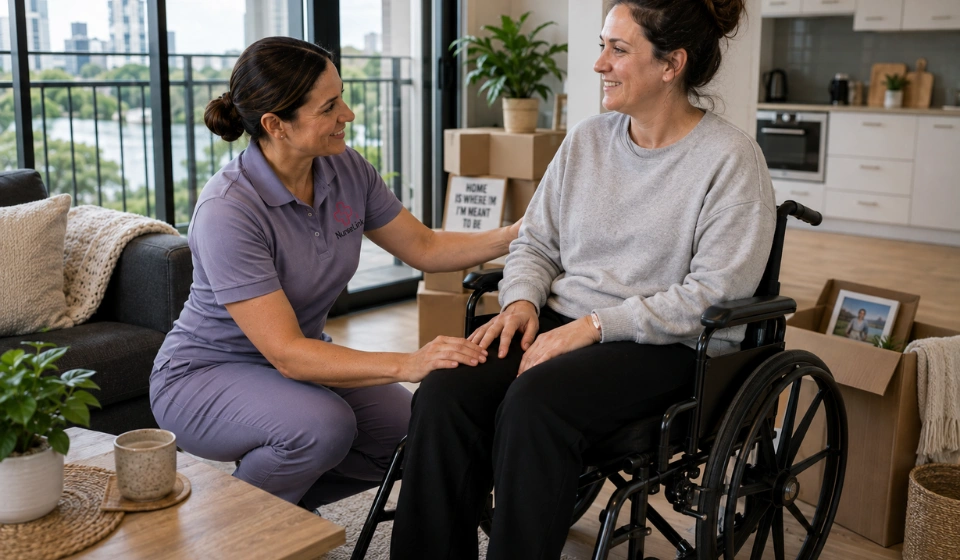
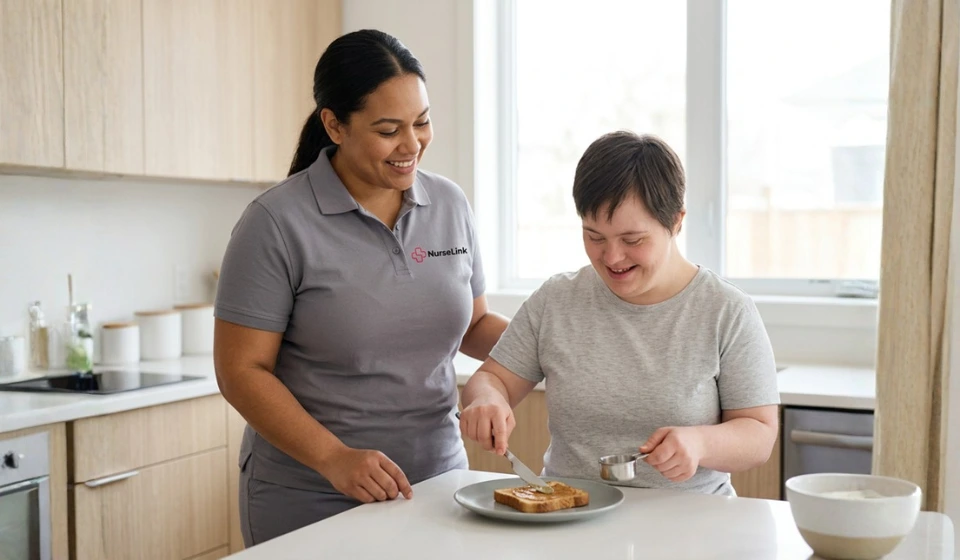
The first weeks focused entirely on building a relationship. The support worker visited at consistent times, spent time with the participant in whatever way she was comfortable, sometimes watching a show, sometimes making tea, sometimes simply sitting while the participant talked or did not. No goals were pushed. The aim, the coordinator explained to the family, was for the participant to experience someone who showed up reliably and asked nothing of her except company.
Rebuilding Routine One Small Anchor At A Time
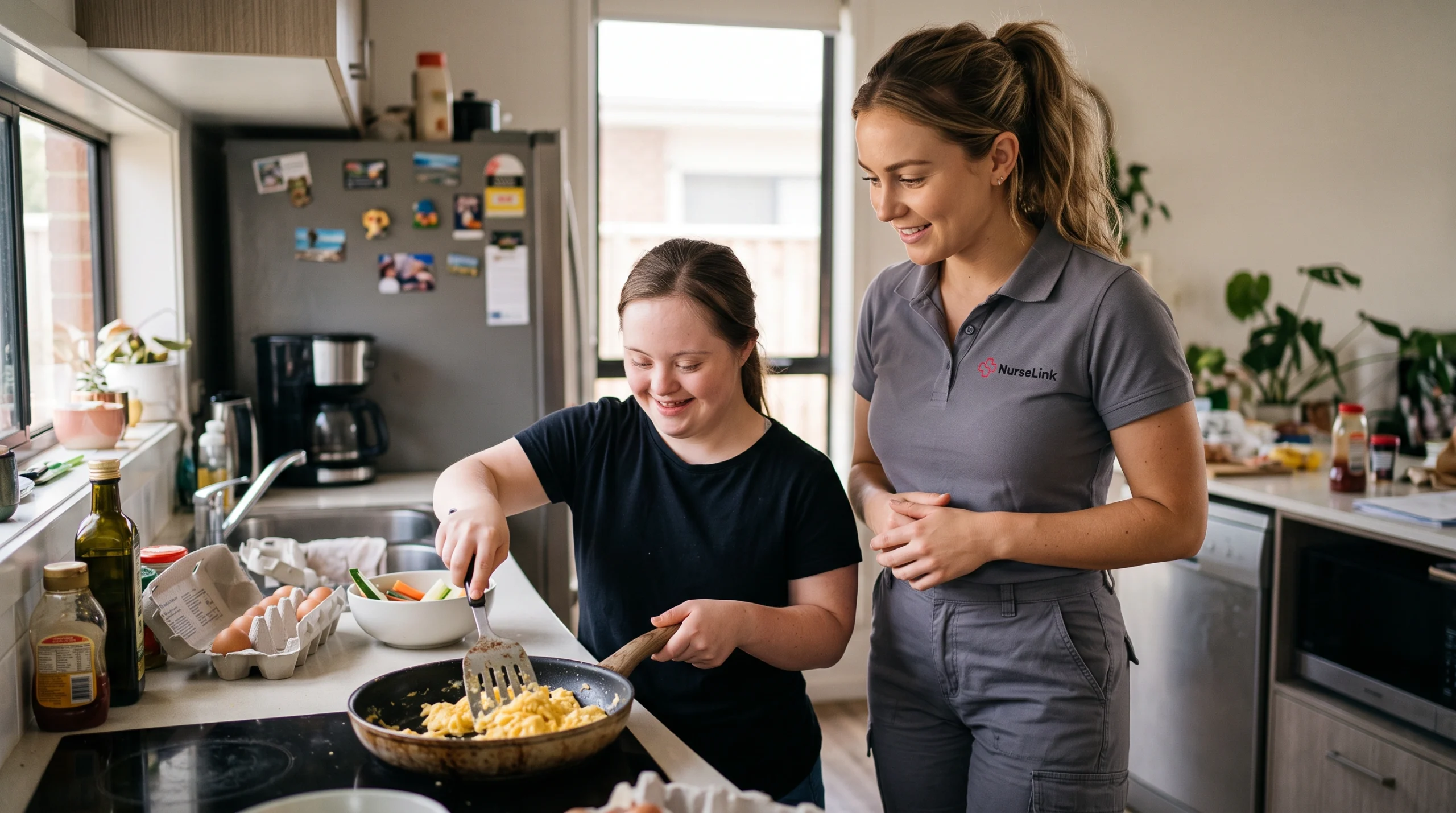
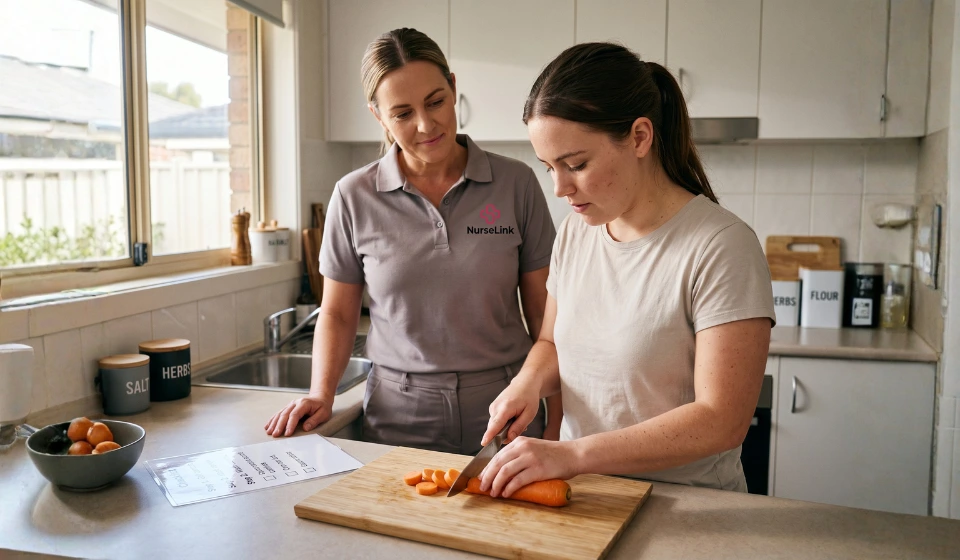
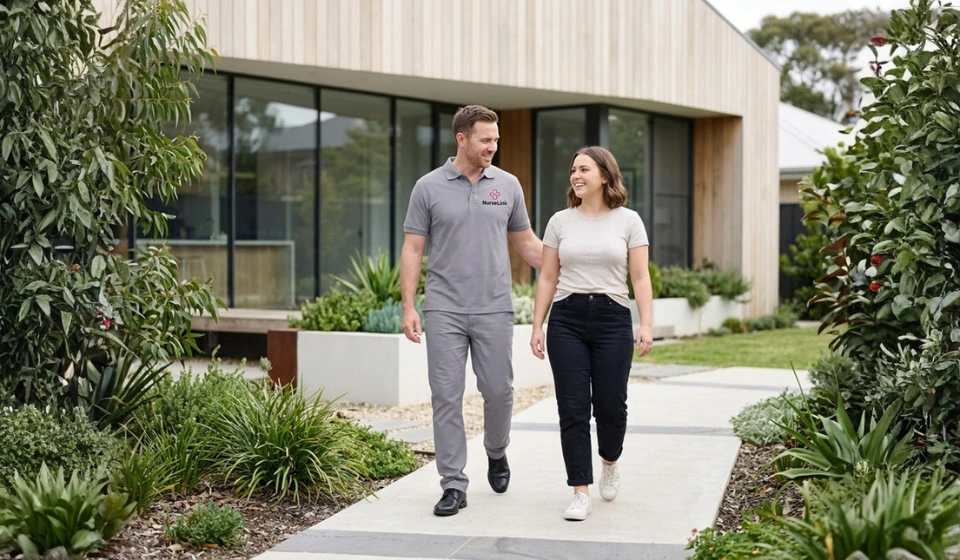
Once trust was established, the support worker and the participant began identifying small anchors that could give shape to the day. A regular morning time to get up. A short walk around the block on set days. A standing coffee at a café a few streets away. Each anchor was chosen by the participant and adjusted when it did not work. Within a few weeks, the household noticed that the days had begun to have a rhythm.
Reconnecting With The Community At A Pace She Controlled
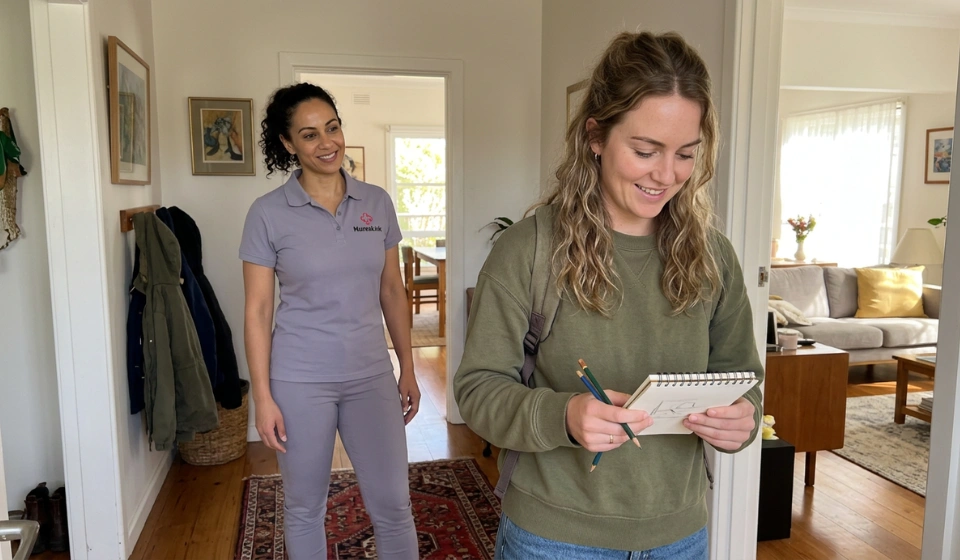
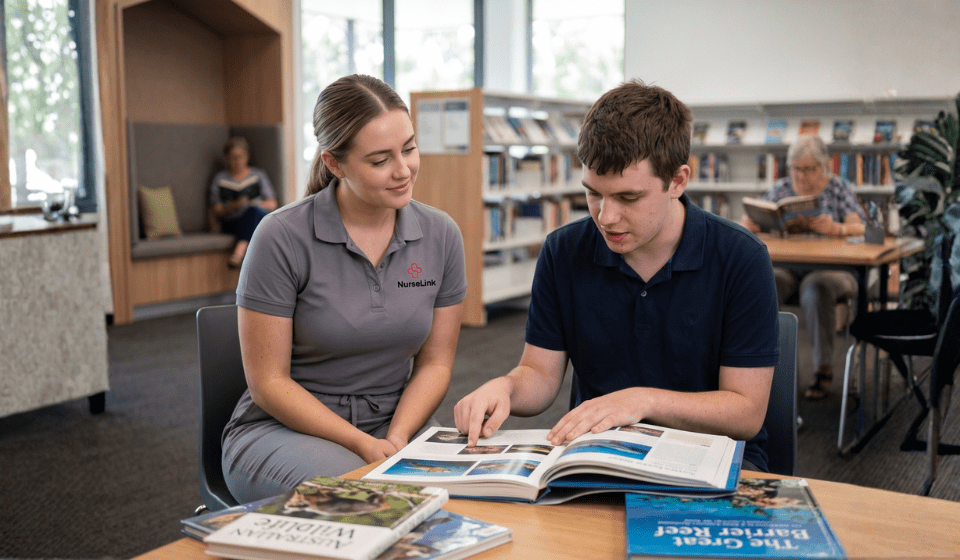
When the participant was ready, the support worker helped her explore community activities connected to her interests. She had enjoyed drawing as a teenager, and a small community art group that met weekly became her first regular outing. The support worker attended the first few sessions with her, then gradually withdrew as the participant made her own connections.
Supporting Her Parents To Change Without Blame
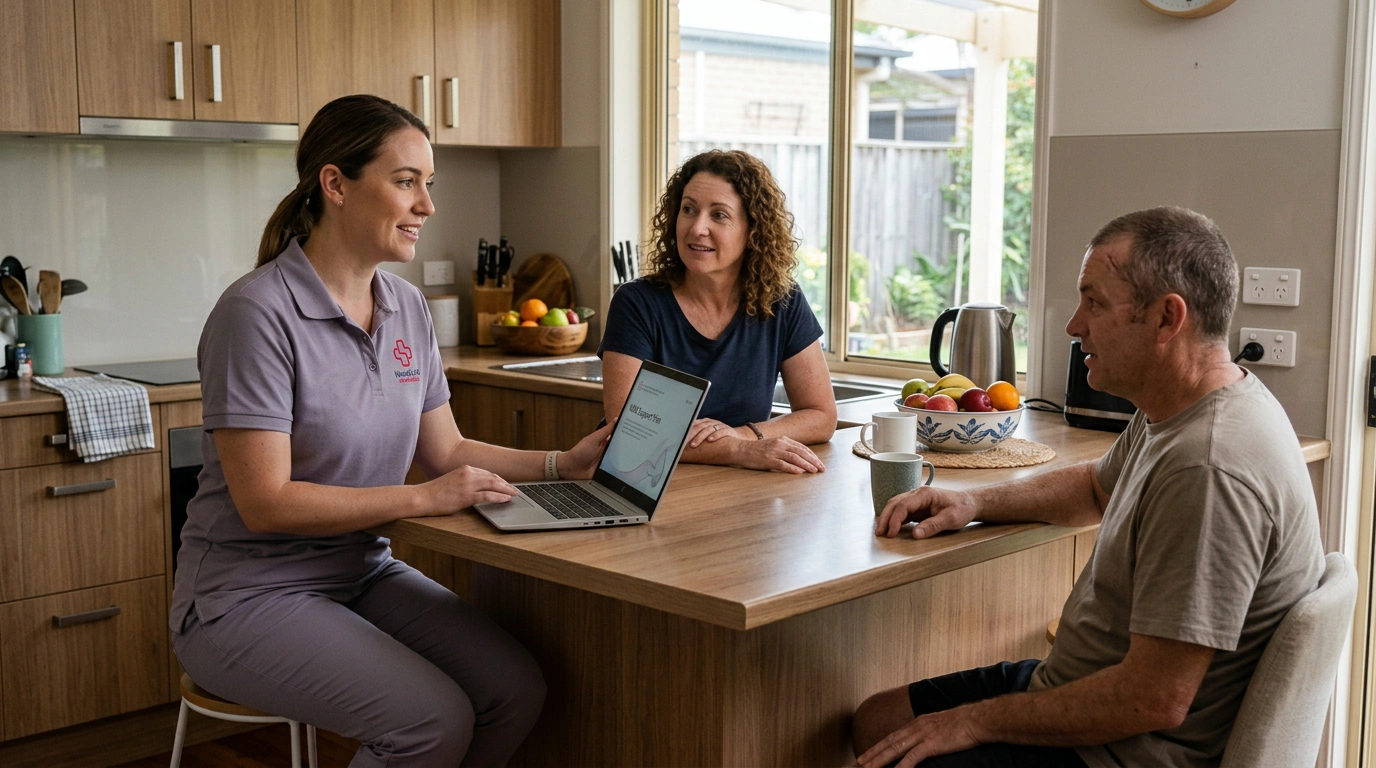
The coordinator met separately with her parents on several occasions, offering practical guidance on how to encourage without pressuring, how to respond to difficult days without retreating, and how to rebuild the household’s own social life. These conversations were careful and warm, and framed from the start as a shared project rather than a critique.
Giving Her Brother A Role
Her brother was invited to join selected activities, a walk, a meal, a visit to the art group’s end-of-term showing. The aim was to give him a way of being with his sister that was ordinary and enjoyable, rather than watchful.
Reviewing Progress Together, At Her Pace
At regular intervals, the participant, her family and her support coordinator reviewed what was working and what was not. The participant set the agenda, and the plan was adjusted in response to her own sense of progress, not to external timelines.
Outcomes & Impact
Her Days Gained Structure
Within three months, the participant had a reliable daily rhythm, getting up at a consistent time, leaving the house most days and keeping a weekly schedule that included the art group, a walk and time with friends or family. For a person who had been spending most of her time in her room, this was a significant change.
She Reconnected With People Outside Her Family
Through the art group, she made two friendships that continued outside the sessions. She began replying to messages from old friends and, several months in, met one of them for coffee for the first time in over two years.
Her Confidence Returned Gradually
She began talking about the future in concrete terms, mentioning an interest in a short course in graphic design and, later, the possibility of part-time work. Her treating team observed that her engagement in her own recovery had deepened.
Her Parents Found A New Balance
Her parents reported that the household had become calmer and more ordinary. Her mother was able to return to full-time hours, and her father described feeling, for the first time in years, that he could speak to his daughter without choosing every word.
Her Brother Found His Sister Again
Her brother described the change as getting a bit of his sister back, and said that their time together had become something he looked forward to rather than something he worried about.
A Reflection From The Participant's Mother
Some months into the arrangement, the participant’s mother shared the following with the NurseLink Healthcare coordinator:
She said that for two years, the family had believed that the safest thing was to keep everything calm, and that it had never occurred to them that calm and stillness were not the same thing. What changed things for her was a support worker who did not treat her daughter as fragile, and a coordinator who spoke to the family honestly about what they were doing without making them feel they had done it wrong. She said the first time her daughter came downstairs, dressed and ready for the art group, she had to turn away so that her daughter would not see her cry. She added that she had spent two years trying to protect her daughter from the world, and that what her daughter had needed was someone to help her back into it, at her own pace and on her own terms.
Key Takeaways From This Case Study
Recovery from serious mental illness often includes a long middle stretch in which clinical stability has not yet become a full life. Support during this period is about rebuilding structure and connection, not treatment.
Families often adapt in ways that unintentionally reinforce withdrawal. Loving caution can slowly become avoidance, and recognising this without blame is an important part of supporting the household.
Starting with presence rather than programs builds the trust that everything else depends on. Weeks of reliable, undemanding company laid the foundation for the later steps.
Small anchors chosen by the participant are more sustainable than large goals imposed on her. Each routine was hers, and each could be adjusted, which kept her in charge of her own recovery.
Including siblings and parents changes the whole household’s experience of recovery. Treating the family as part of the plan allowed everyone to move forward together.
Conclusion
A young woman who had stopped leaving her room and a family who had stopped planning ahead found, through patient, recovery-focused NDIS support, that daily life could be rebuilt one small step at a time. For the family at the centre of this case study, NurseLink Healthcare provided not only a reliable support worker, but a way of understanding recovery as something the whole household shares.
She leaves the house most days. Her parents have started inviting people over again. And a Springvale family that spent two years waiting for life to resume has begun, quietly, to live it.
If someone in your family is living with a psychosocial disability and daily life has become smaller than it should be, we encourage you to reach out to the NurseLink Healthcare team. We support recovery at the pace the person sets, and we support the family alongside them.