She Was Ready. We Helped Her Get There.
How NurseLink Supported A Young Woman With Down Syndrome To Live Independently
An NDIS Case Study In Support That Believed In Her Before The System Did
Introduction
Independence is not a single moment. It is a thousand small ones. The first time you make your own breakfast without someone checking. The first time you catch the bus alone and arrive where you meant to arrive. The first time you sit in your own living room, in your own space, and understand in a way that is felt rather than thought that this is yours. These moments are ordinary for most people. For a young woman with Down syndrome who has spent her entire life in the care of her family, in a bedroom she has had since childhood, in a home that was always someone else’s, they are anything but ordinary. They are the evidence that a life imagined is a life that is actually happening.
The NDIS exists, in its most purposeful form, to make moments like these possible. Not to manage a person’s disability but to support a person’s life. Not to provide a service but to expand what is available to a person who has been told, in ways both explicit and implicit, that certain things were not for them.
When the right support is in place, the things that were not supposed to be for them become possible. And sometimes, when the support is genuinely right and the person is genuinely ready, what becomes possible exceeds what anyone had planned for.
At NurseLink Healthcare, we believe that NDIS support at its best is the infrastructure of a life someone has chosen for themselves. This case study documents how our team supported a young woman with Down syndrome in Sydney, New South Wales, through her transition to independent living in her mid-twenties, and what it looked like when the right support met a person who was ready to discover what she was capable of.
To protect the privacy of the client and her family, all names and identifying details have been kept confidential throughout this case study.
The Young Woman & Her Situation
The young woman at the centre of this case study is in her mid-twenties, living in Sydney. She has Down syndrome and had spent her entire life in the family home with her parents and her older brother, who had by the time of this case study moved out and established his own independent life in the way that older siblings do, a fact that had not been lost on his sister and that had contributed, over the preceding year or two, to a growing and clearly expressed desire for the same thing.
She was, by her parents’ account and her own, a person of considerable capability and even more considerable determination. She had completed her schooling, had volunteered at a local community organisation for several years and had developed a social network of friends, many of whom she had met through a supported social group that she attended weekly and that she navigated largely independently. She communicated clearly and with the directness of a person who had learned, through experience, that saying what she meant was more efficient than waiting for people to guess.
She had been saying, for the better part of two years, that she wanted to live in her own place. Not a group home. Her own place, or as close to her own place as her funding and her support needs would allow. She had been specific about this distinction because she had visited a group home when the possibility had been raised and had come home and told her mother, with the clarity that characterised most of her important communications, that it was not what she was looking for.
Her parents had listened and had felt, alongside their pride in their daughter’s clarity about what she wanted, the particular anxiety of parents who love their child deeply and are not entirely sure that what she wants is what they can allow themselves to want for her. The safety of the family home was known. The independence she was asking for was not, and the gap between those two things was one that required support they did not know how to provide alone.
Her NDIS plan, which had been in place for several years and had supported her community participation and her social activities, was reviewed and expanded to include the support for independent living that her request required. Her plan coordinator recommended NurseLink Healthcare.
Understanding What She Actually Needed
The initial assessment NurseLink Healthcare conducted was one that she led, which was exactly as it should have been. She had clear views about what she needed and how she wanted to live and she expressed them with the directness that her family had described and that the care coordinator found, in the most productive possible way, entirely refreshing.
She wanted to live in a supported independent living arrangement in a unit that was hers, with a housemate or two she could choose and get along with rather than being placed with strangers by an allocation process she had no say in. She wanted support workers who would help her manage the things she needed help with, the cooking she was still learning, the medication management that required oversight, the budgeting that she was capable of in principle and not yet fully in practice, without taking over the things she could manage herself, which she considered to be more than most people assumed.
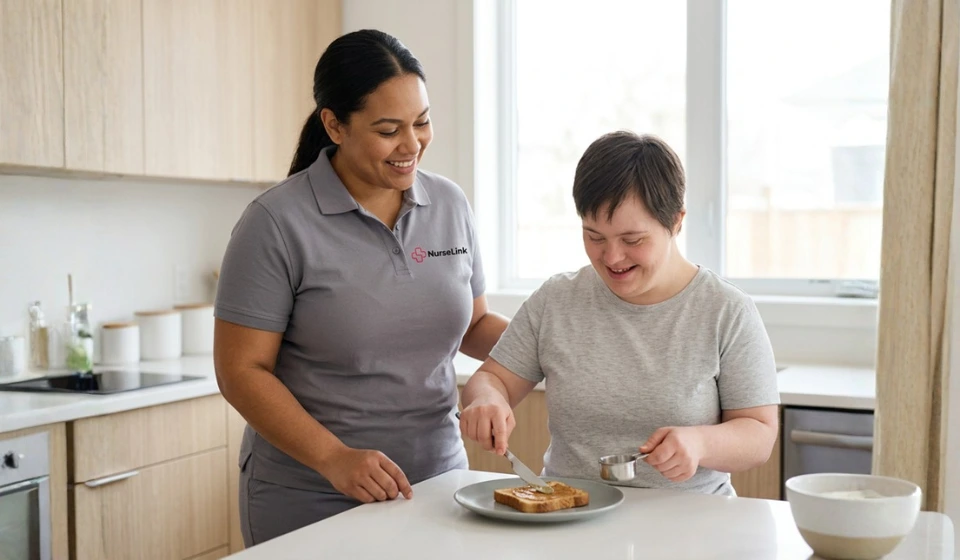
She was specific about the last point. She had spent her life, she said, having things done for her that she could have done herself if someone had waited long enough or tried a different approach. She did not want that in her own home. She wanted support that helped her do things, not support that did things instead of her because it was faster or easier.
She also wanted, and this she said with the particular emphasis of someone who had thought about it carefully, support workers who would talk to her like a person her age rather than like a child. She was in her mid-twenties. She had opinions about music and about what was happening in her friendship group and about the television programme she was currently watching and about what she wanted to eat for dinner. She wanted support workers who were interested in those things, not support workers who were interested in her disability.
Her parents, who attended part of the assessment, added what she had not said about their own situation. They needed to know she was safe. They needed to know that the clinical oversight of her health was maintained, because she had some health management needs associated with her Down syndrome that required monitoring. And they needed, though neither of them said it in quite these words, to be able to let her go without feeling that letting her go was the same as abandoning her.
The care plan NurseLink Healthcare developed was built around everything she had said and the things her parents had added.
The NurseLink Healthcare Solution
Support Workers Selected For Her, Not For Her Diagnosis
The selection of support workers for this engagement was approached with the specific understanding that the young woman at the centre of it had told NurseLink Healthcare exactly what she needed and that the selection process needed to honour that with the same seriousness it brought to the clinical requirements of the role.
NurseLink Healthcare identified support workers whose backgrounds included experience in supported independent living for people with intellectual disabilities and whose personal qualities matched what she had described as important to her. They needed to be people who were genuinely interested in the people they supported, who communicated at the level of the person they were with rather than at the level of the disability, and who understood the difference between supporting independence and inadvertently undermining it by doing too much.
Two support workers were identified and introduced to her before the living arrangement commenced, in a meeting that she ran in the sense that she asked the questions she wanted to ask and formed her own views about whether these were people she wanted in her home. She asked one of them what music they liked. She asked the other whether they had watched the programme she was currently following. She made her assessment with the directness that characterised everything else about her and confirmed, to the care coordinator afterward, that they would do.
The Transition To Independent Living, Managed At Her Pace
The transition from the family home to the supported independent living arrangement was planned and managed across several weeks, with each step structured around her comfort and her readiness rather than an administrative timeline. She visited the unit before she moved in. She met her housemates before she moved in. She had input into how the shared spaces were arranged and what the house rules would be, because they were her rules as much as anyone else’s and she had views about them.
The move itself was managed with the particular care that a first move always deserves, and with the additional care that a first move after a lifetime in the family home required. Her parents were present. Her brother came. The support workers who would be working with her in the new environment were there. And she was, by her family’s account, calmer than any of them, because she had been planning this for two years and she was ready.
Her first night in her own place, she called her mother to say goodnight, which she had done every night of her life. Her mother answered the call from the family home and heard, in her daughter’s voice, something she described later as the particular quality of a person who is exactly where they are supposed to be.
Daily Living Support That Built Her Capability
The support visits in the new living arrangement were structured around the daily living skills that she was developing and the clinical oversight that her health management required, with a consistent orientation toward building her capability rather than substituting for it.
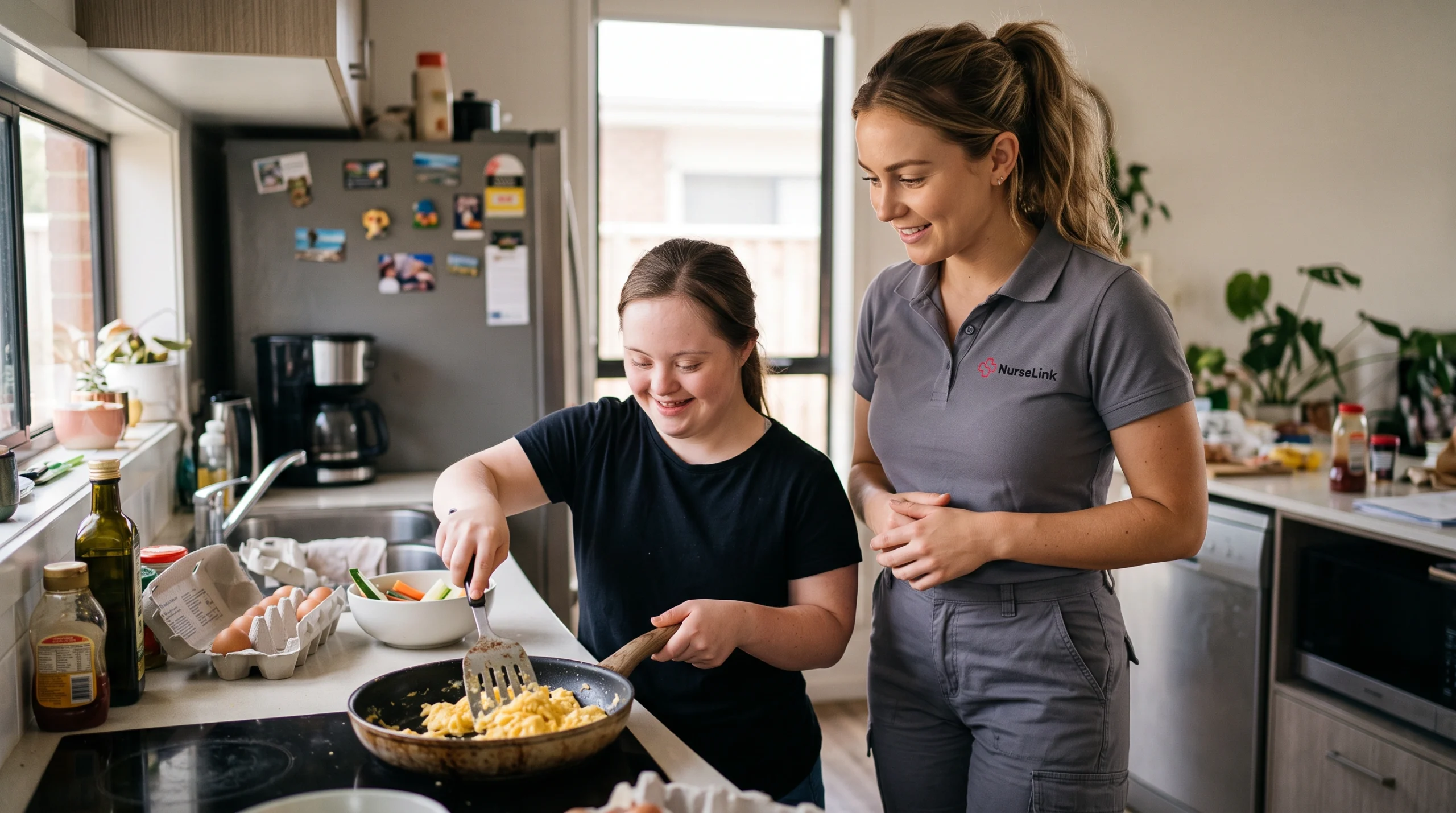
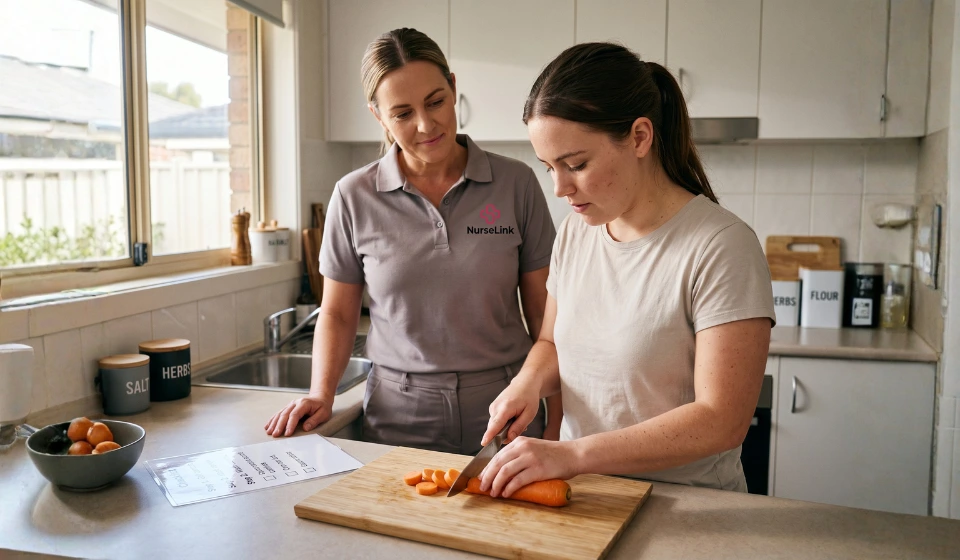
Cooking was approached as a skill she was learning, with support workers working alongside her rather than cooking for her, which was slower and occasionally messier and produced, across the weeks, a young woman who could prepare a small repertoire of meals she was proud of and that she made for her parents on the first occasion they came to her home for dinner, which was an event that her father described, in a conversation with the care coordinator, with the particular brevity of a man who does not easily find the words for things that matter too much.
Medication management was overseen with the clinical consistency it required, documented and communicated to her GP as part of the ongoing health monitoring that her Down syndrome management involved. The clinical oversight that her parents had needed to be assured of was in place and functioning, and her GP received from NurseLink Healthcare’s visit records the clinical picture of her health management that allowed her ongoing care to be well-informed.
Budgeting was worked on through a practical, gradual process that involved her in every decision rather than managing her finances on her behalf, because she had been clear about this and because her clarity had been correct. She was capable of managing her budget with support, and the support was designed to build that capability rather than replace it.
A Social Life That Was Hers
One of the most significant dimensions of the support plan NurseLink Healthcare developed was its explicit attention to her social life, which she had identified as central to what independent living meant to her and which was, in the care coordinator’s assessment, genuinely central to her wellbeing.
Her weekly social group continued. Her friendships were supported and facilitated through the practical assistance that getting to and from social activities required. When she wanted to have friends over to her own home, which she did with the enthusiasm of a person who had always wanted to be the one doing the hosting, the support workers helped with the preparation in the way that a flatmate might help, rather than managing the event in the way that a carer might.
She had people over for dinner. She hosted a birthday gathering for a friend from her social group. She became, in the space of the first several months in her own home, the person who organised things for her friendship group, which was a role that suited her exactly and that she had not had the space to inhabit in the family home in the same way.
Keeping Her Parents Connected Without Pulling Her Back
NurseLink Healthcare maintained regular communication with her parents throughout the engagement, providing honest and specific updates about how she was managing that gave them the reassurance of genuine information rather than the managed reassurance of carefully positive reports.
Her parents visited regularly, as parents do, and the visits changed in quality across the months of the engagement in a way that both of them noticed. They were visiting their daughter in her home, which was different from visiting her in theirs. The dynamic was different. She was the host. She showed them things she had learned. She made them the meals she had been practising. She was, in the environment she had chosen and in the life she was building, more fully herself than she had been in the family home, not because the family home had been wrong for her but because this was more right.
Outcomes & Impact
She Was Living Independently
The outcome that had been the goal of the engagement from the beginning was the outcome that had been achieved. She was living in her own supported independent living arrangement, managing her daily life with the right level of support, participating in her community and her social life as an adult who lived independently, and doing all of this in a way that was recognisably and specifically hers.
This outcome was not guaranteed when the engagement began. Independent living for a young woman with Down syndrome whose parents had understandable anxieties about the transition required the right support, the right environment and the right person, and all three had been in place. The outcome reflected all of them.
Her Capability Exceeded What Had Been Expected
The specific capabilities she had developed across the months of the engagement, in cooking, in budgeting, in the management of her daily routine and in the social organising that had become one of the defining features of her life in her new home, exceeded what her NDIS plan had projected and what her parents had dared to hope for. Not because the projections had been wrong about her potential but because the right support, delivered in the right way, had given her potential the conditions it needed to become capability.
Her support workers noted, at a review meeting several months into the engagement, that the areas of daily living in which she required active support had reduced progressively across the engagement period as her confidence and her skill had grown. She was managing things in the later months that she had needed support with in the earlier ones, and the support plan had been adjusted accordingly to reflect her growing independence rather than maintaining support she no longer needed.
Her Parents Found A New Relationship With Her
The change in her parents’ relationship with their daughter across the months of the engagement was one that neither of them had fully anticipated and that both of them, when they described it to the care coordinator at a review meeting, found difficult to articulate without becoming emotional. She was their daughter, as she had always been. But she was also, now, an adult who lived her own life, who had her own home and her own friends and her own routines, who called them when she felt like talking and visited when she felt like visiting and who received them, when they came, as guests in her space.
That shift, from a daughter who lived with them to a daughter who had her own life, was the shift they had been hoping for and had not been sure was possible. NurseLink Healthcare had provided the support that made it possible, and the relationship they now had with their daughter was the evidence of what that support had produced.
She Discovered What She Was Capable Of
The outcome that mattered most, in the assessment of the care coordinator who had been present through the engagement from its beginning, was not the living arrangement or the cooking or the budgeting or the social organising. It was the shift in how she understood herself. She had arrived at the engagement with a clear sense of what she wanted and a somewhat vaguer sense of what she was capable of. She left it with a considerably more concrete understanding of the latter, built from the direct evidence of things she had done that she had not done before.
She had cooked dinner for her parents. She had hosted a birthday gathering. She had caught the bus to her social group and home again without incident, dozens of times, and had stopped thinking of it as an achievement because it had become simply what she did on Thursdays. She had a life, in the sense that she had a routine and a home and a social world and a set of capabilities that were hers, and she knew it and she was proud of it in the uncomplicated way of a person who has earned something.
A Reflection From The Young Woman Herself
Several months into the engagement, she shared the following with the NurseLink Healthcare care coordinator at a review meeting:
“I wanted my own place for a long time. Everyone kept asking if I was sure. I was sure. The NurseLink people help me with the things I need help with and they leave me alone about the rest, which is what I wanted. I cooked dinner for my mum and dad last week. My mum cried. I think she was happy. I was happy. It is my home. I worked hard to be here and I like it.”
Key Takeaways From This Case Study
Independent living for a person with Down syndrome is a right, not an exception. A young woman who is ready for independent living deserves a support system that helps her achieve it rather than one that manages her expectations downward. NurseLink Healthcare’s approach to this engagement was built on the understanding that her goal was legitimate and her capability was real.
Support that builds independence is categorically different from support that substitutes for it. A support worker who does things for a participant because it is faster or easier is not supporting independence. They are replacing it. NurseLink Healthcare’s selection of support workers who understood and practised the distinction was the foundation on which her growing capability was built.
The participant’s own assessment of what they need is the most important input into the care plan. She told NurseLink Healthcare what she needed with precision and clarity. The care plan that was built around that input produced better outcomes than a plan built around clinical assumptions would have produced, because she knew herself better than any assessment framework could.
Transition to independent living requires attention to social life as well as daily living skills. A person who can manage their own cooking and medication but has no social life in their new environment has not achieved independent living in any meaningful sense. NurseLink Healthcare’s explicit attention to her social life as a central goal of the support plan reflected an understanding of what independence actually means.
Conclusion
She wanted her own front door. She had been wanting it for two years, saying it clearly to anyone who asked and to some people who had not, and what she needed was a support arrangement that would help her get there and help her stay there once she arrived.
NurseLink Healthcare provided that arrangement. The right support workers, the right approach, the right balance between helping with what she needed help with and leaving her to manage what she could manage herself. She moved in. She learned to cook. She hosted dinner parties. She caught the bus on Thursdays. She called her mother every night.
She has her own front door. She earned it, and the support that helped her get there was one of the things she is proud of navigating. That is what NDIS support, built around a person rather than a diagnosis, can make possible.
If your family is exploring supported independent living for a young person with an intellectual disability, or if you are a participant who is ready for more than your current support arrangement is offering, we encourage you to reach out to the NurseLink Healthcare team. We are here to help you get to where you are trying to go.
Latest Post
When Parents Learned to Trust NDIS Support
The Life He Thought The Accident Had Collapsed
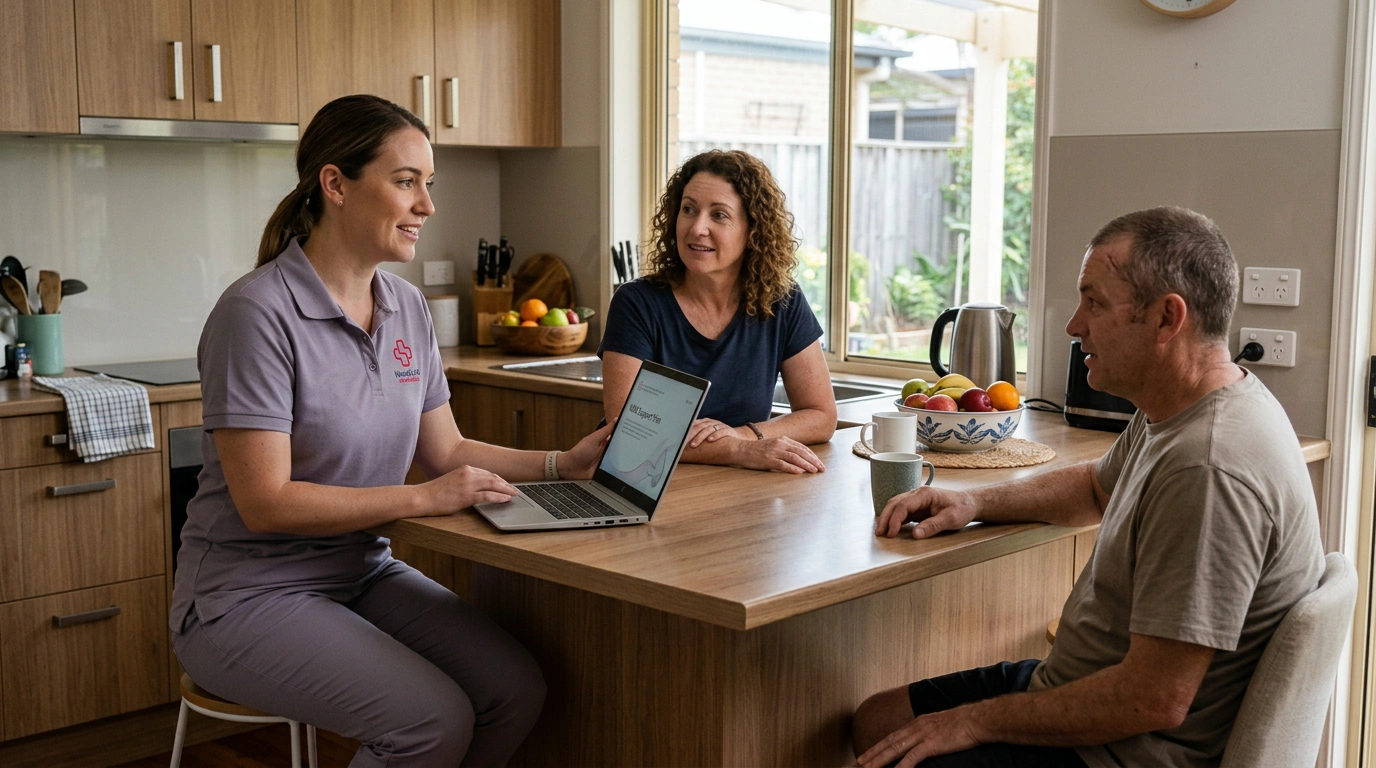
Someone Finally Holding The Whole Picture
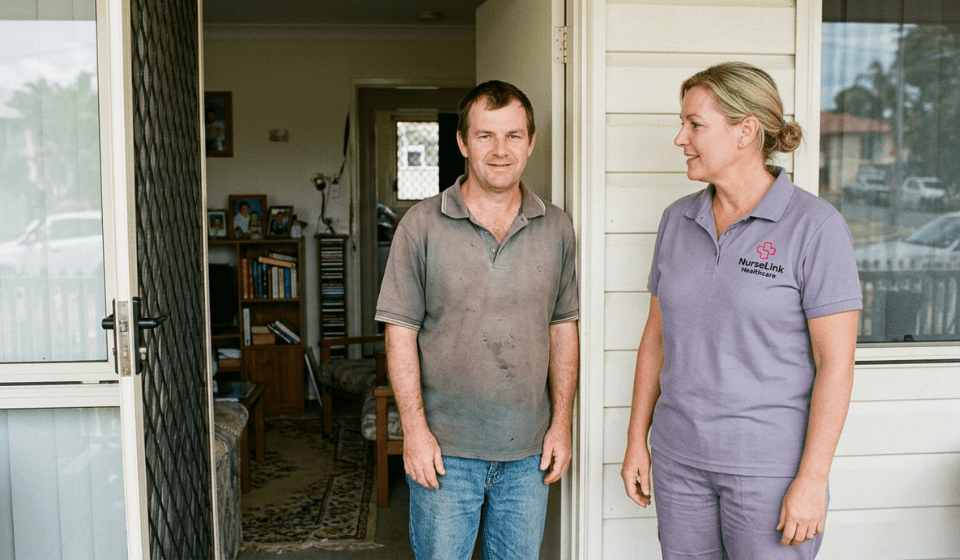
A Home That Was Finally His Own
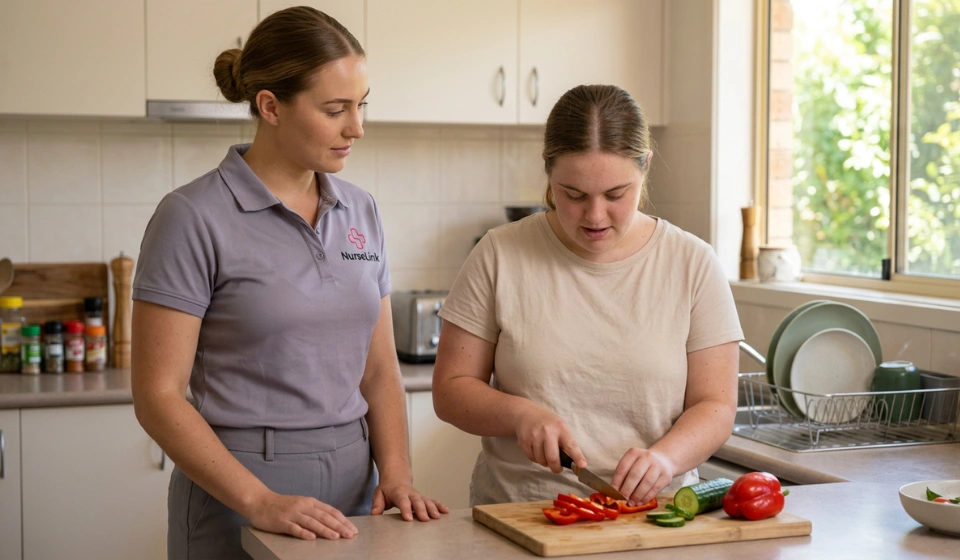
Learning To Do It Herself, With Someone Beside Her
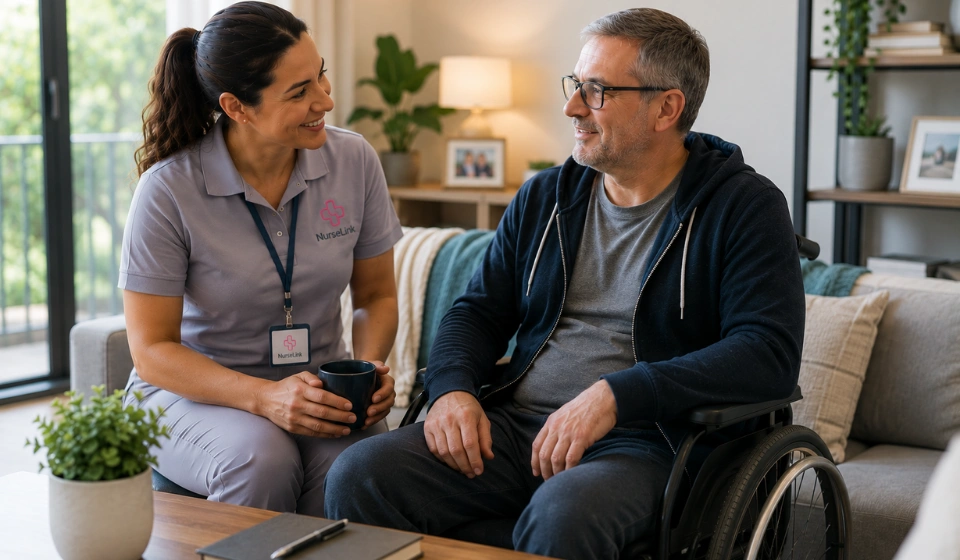
What Was Still Possible
Finding Her Way Back To Her Own Kitchen Table
From Aged Care To Her Own Front Door
She Was Ready. We Helped Her Get There.
Room To Breathe
The Man He Was Getting Back To
They Did Not Give Up On Him
Returning To Community Life
Rebuilding Independence After A Diabetes-Related Amputation
Cooking By Heart
The World Beyond The Front Door
Finding Home Again After A Stroke
Relearning Independence After A Life-Changing Accident
Beyond The Diagnosis
Two Years In Care. One Giant Step Toward Home.
When Transport Barriers Disrupted NDIS Care
Supported Independent Living Success
A Journey Towards Independence With NDIS Support
Daniel’s Journey